
Understanding Gastric Sleeve Cost: A Medical Comparison Between Colombia and the USA
When patients begin researching bariatric surgery, one of the first and most common questions—especially in the United States—is related to Gastric Sleeve Cost. In practical terms, gastric sleeve surgery in Colombia is more affordable than in the U.S. without compromising medical quality or safety. In my practice, the cost of this procedure for 2026 typically ranges between USD 6,600 and USD 9,500, depending on each patient’s clinical evaluation, surgical complexity, and individual medical needs. This difference often leads patients to question how such variation is possible between countries while still achieving safe, reliable, and long-term results.
As a result, medical tourism has grown significantly as patients look beyond their borders for solutions that combine medical expertise with reasonable costs. Colombia has emerged as a trusted destination—not because it offers “cheap surgery,” but because it provides comprehensive medical value: experienced surgeons, accredited hospitals, modern surgical techniques, and structured follow-up care.
Gastric Sleeve Cost in the USA: What Are You Really Paying For?
When patients ask me why the Gastric Sleeve Cost in the United States is so high, my answer is always the same: it is not a single fee, but a complex structure made up of multiple components that quickly add up. In the U.S., the total cost usually includes hospital fees, surgeon’s fees, anesthesia services, operating room time, and administrative charges. Each of these elements is billed separately, often by different providers, which makes it difficult for patients to clearly understand the final amount they will be responsible for.
How the Cost Structure Works in the United States
In most cases, the hospital represents the largest portion of the expense. This includes the use of the operating room, medical supplies, nursing staff, and inpatient care. On top of that, professional fees—such as those of the surgeon and anesthesiologist—are billed independently. Even when insurance is involved, patients may still face significant deductibles, copayments, or coinsurance, depending on their specific plan and coverage limitations.
Insurance Coverage: Partial, Limited, or Absent
One of the most frustrating aspects for patients in the U.S. is that bariatric surgery is not always fully covered by insurance. Some plans exclude it entirely, while others approve it only under strict conditions that may take months to meet. Even when coverage is granted, it is often partial, leaving patients responsible for a substantial out-of-pocket balance. This uncertainty is a major reason why many people continue to postpone surgery that could significantly improve their health.
Additional and Often Overlooked Expenses
Beyond the surgery itself, there are additional costs that patients may not anticipate. Preoperative evaluations—such as laboratory tests, imaging studies, nutritional assessments, and psychological evaluations—are frequently billed separately. Postoperative follow-up in the U.S. is often limited, and revisions or complications, if they occur, may generate new expenses that are not included in the original surgical fee. Over time, these added costs can significantly increase the overall financial burden.
The Long-Term Financial Impact
From a medical perspective, it is important to understand that the Gastric Sleeve Cost in the United States is not only a short-term expense but a long-term financial commitment. Many patients must balance surgery-related costs with ongoing healthcare expenses related to obesity-related conditions. My goal in explaining this structure is not to criticize the system, but to provide transparency—so patients can fully understand what they are paying for and why so many begin exploring alternatives that offer both medical quality and financial clarity.
Gastric Sleeve Cost in Colombia

When patients start comparing international options, they quickly notice that the Gastric Sleeve Cost in Colombia is significantly more accessible than in the United States. This difference often raises an important question: how can the cost be lower without compromising medical standards? From my professional experience, the answer is not related to cutting corners, but to how the healthcare system is structured and how bariatric care is delivered in a specialized, integrated way.
Why Gastric Sleeve Surgery Is More Accessible in Colombia?
Colombia offers high-quality medical care within a different economic and healthcare framework. Several structural factors explain this difference:
- Lower hospital and operating room costs compared to U.S. healthcare systems
- Reduced administrative and insurance-related expenses
- Highly trained surgeons who specialize exclusively in bariatric and metabolic surgery
- Modern hospitals equipped with advanced technology and strict safety protocols
These conditions allow comprehensive bariatric procedures to be performed at a lower overall cost, while maintaining internationally accepted medical standards.
What Is Usually Included in a Comprehensive Bariatric Program
Another key distinction patients notice when evaluating the Gastric Sleeve Cost in Colombia is transparency. In most specialized programs, the surgical fee is not fragmented into multiple unexpected charges. Instead, it commonly includes:
- The surgical procedure itself, performed by a specialized bariatric surgeon
- Hospitalization, including operating room use and inpatient care
- Preoperative evaluations, such as medical assessments, nutritional guidance, and required diagnostic tests
- Structured postoperative follow-up, which is essential for long-term success
This integrated approach allows patients to clearly understand what they are paying for from the beginning.
Why Medical Expertise Matters More Than Price
Although cost plays a role in decision-making, bariatric surgery should never be chosen based on price alone. A safe and successful outcome depends on the experience of the surgical team, proper patient selection, and long-term follow-up. Colombia has earned the trust of international patients because it combines accessible costs with specialized medical teams and structured care pathways. When considering surgery abroad, the real priority should always be medical expertise, safety, and sustainable results, not simply finding the lowest possible cost.
Gastric Sleeve Cost: Colombia vs USA – A Medical, Not Just Financial, Comparison
When patients compare the Gastric Sleeve Cost between Colombia and the United States, it is easy to focus exclusively on numbers. However, from a medical perspective, cost alone never tells the full story. Bariatric surgery should be evaluated through a broader lens—one that includes safety, outcomes, and long-term support. The real question is not where it is cheaper, but where does the patient receive greater medical value.
Key Medical Differences Between Colombia and the United States
Although both countries offer bariatric surgery, the care model can differ in important ways:
Access to technology
Both systems have advanced surgical technology, but in specialized centers, Colombia often integrates these tools into standardized bariatric programs rather than billing them as add-ons.
Surgeon experience
In Colombia, many bariatric surgeons focus exclusively on obesity and metabolic surgery, performing a high volume of cases each year. This specialization plays a critical role in surgical precision and outcomes.
Recovery time
Recovery is influenced not only by the surgical technique, but also by how closely the patient is monitored after surgery. Structured protocols can shorten recovery and reduce complications.
Postoperative support
In the U.S., follow-up is sometimes fragmented or limited by insurance. In Colombia, postoperative care is often built into a coordinated program rather than treated as a separate service.
Cost vs. Value in Bariatric Surgery
There is an important distinction between cost and value. Cost refers to the price of the surgery itself, while value reflects what the patient receives in return: experience, safety, follow-up, and long-term results. A lower initial price without proper follow-up can lead to higher expenses later, especially if complications or weight regain occur.
The Risk of Choosing Surgery Based Only on Price
Making a decision based solely on price can expose patients to unnecessary risks. Bariatric surgery requires precise technique, careful patient selection, and long-term monitoring. Without these elements, the likelihood of complications, nutritional deficiencies, or unsatisfactory weight loss increases. For this reason, the Gastric Sleeve Cost should always be evaluated alongside surgical outcomes, safety protocols, and the quality of long-term follow-up.

Gastric Sleeve Revision Cost: What Patients Need to Know
As bariatric surgery becomes more common worldwide, I increasingly see patients seeking answers about gastric sleeve revision cost. Many of these individuals have already undergone surgery and are now facing challenges such as insufficient weight loss, weight regain, or medical complications. Understanding when a revision is necessary—and what it involves—is essential before considering another procedure.
What Is Gastric Sleeve Revision?
A gastric sleeve revision refers to a secondary intervention after an initial sleeve gastrectomy. This may involve converting the sleeve to another bariatric procedure or addressing anatomical or functional issues. Revisions are not routine surgeries; they are highly individualized and require careful medical evaluation.
Factors That Influence Gastric Sleeve Revision Cost
Several variables affect the gastric sleeve revision cost, including:
- The original surgical technique and how the sleeve was initially created
- Postoperative complications, such as reflux, strictures, or dilation
- Time elapsed since the first surgery
- The patient’s current metabolic and nutritional status
Each of these factors determines not only the complexity of the revision, but also the surgical risk and overall cost.
Why Revision Surgery Requires Greater Surgical Expertise
Revision procedures are technically more demanding than primary bariatric surgeries. Scar tissue, altered anatomy, and previous complications increase surgical complexity. For this reason, revisions should only be performed by surgeons with extensive experience in advanced bariatric and metabolic surgery, as well as a deep understanding of long-term obesity management.
An Ethical and Comprehensive Medical Approach
It is important to emphasize that not all revisions require surgery. In some cases, inadequate weight loss or regain is related to nutritional, hormonal, or behavioral factors rather than anatomical failure. An ethical approach always begins with a comprehensive evaluation and, when appropriate, a multidisciplinary strategy involving nutrition, metabolic assessment, and behavioral support before considering another operation.
you may be interested Gastric Sleeve vs. Gastric Bypass: Which One Is Right for You?
Robotic Bariatric Surgery: A Key Differentiator in My Practice
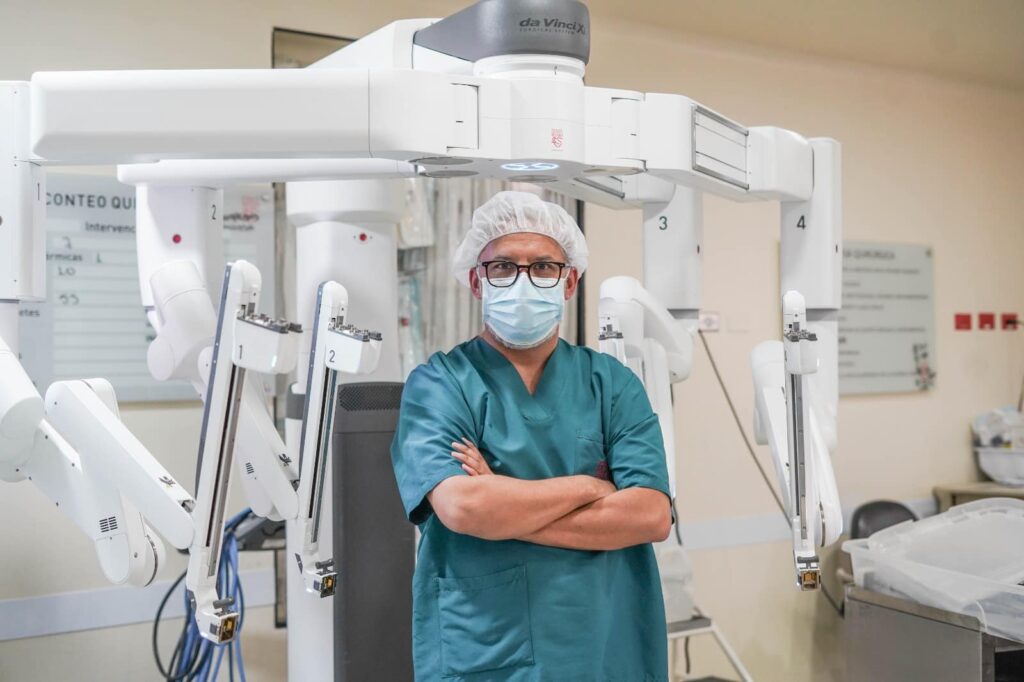
Robotic bariatric surgery is one of the most important differentiators in my surgical approach. I do not use technology for marketing purposes; I use it when it adds real medical value to the procedure and to the patient’s long-term outcome.
Why Robotic Surgery Matters in Bariatric Procedures
Robotic-assisted surgery allows for a level of precision that is especially valuable in complex bariatric cases. From a technical standpoint, it provides:
- Enhanced visualization of anatomical structures
- Greater precision and stability during critical surgical steps
- Improved control when working with delicate tissues
This level of accuracy can contribute to safer procedures and more controlled recoveries when used appropriately.
Technology Guided by Medical Judgment
It is important to understand that robotic surgery is not suitable for every patient. The true benefit comes from knowing when to use it. My role as a surgeon is to evaluate each case individually and determine whether robotic assistance offers a clear advantage over conventional techniques. Technology should always support medical judgment, never replace it.
A Commitment to Safety and International Standards
For many international patients, robotic bariatric surgery represents an additional layer of confidence. It reflects my commitment to responsible innovation, continuous training, and alignment with international standards of bariatric care. Combined with a structured multidisciplinary program, this approach helps ensure that surgery is not just technically successful, but also sustainable in the long term.
Why This Makes a Difference
Robotic surgery is not about doing more—it is about doing what is right for the patient. When advanced technology is integrated into a comprehensive medical strategy, it becomes a powerful tool to improve safety, precision, and overall patient experience.
Why Choosing Rubén Luna Makes a Difference
With more than 17 years of experience in bariatric surgery, my approach has always been guided by medical judgment, patient safety, and long-term results rather than trends or volume. I work within a multidisciplinary team specializing in obesity management, because sustainable weight loss does not depend on surgery alone, but on comprehensive care before and after the procedure. I use advanced surgical technology responsibly—only when it truly improves precision, safety, and recovery for the patient.
This structured model, combined with close postoperative follow-up, is essential to achieving lasting results. Over the years, I have also had the opportunity to care for many international patients, which has given me a clear understanding of their expectations, concerns, and the importance of transparent communication when making decisions about bariatric surgery abroad.
Frequently Asked Questions About Gastric Sleeve Cost
1. What does the Gastric Sleeve Cost usually include?
The Gastric Sleeve Cost can vary significantly depending on the country, the hospital, and the medical team. In a comprehensive bariatric program, the cost typically includes the surgical procedure, hospital fees, anesthesia, and operating room expenses. In well-structured programs—especially outside the U.S.—it may also include preoperative evaluations and postoperative follow-up. It is important to always ask for a detailed breakdown to understand exactly what is covered and avoid unexpected expenses later.
2. Why is the Gastric Sleeve Cost higher in the United States?
In the United States, the cost is influenced by hospital overhead, administrative expenses, insurance systems, and separately billed professional fees. Patients often pay for the surgeon, anesthesiologist, hospital stay, and additional services independently. Even with insurance, deductibles and copayments can be substantial, which significantly increases out-of-pocket costs for many patients.
3. Is a lower Gastric Sleeve Cost associated with lower quality care?
Not necessarily. A lower Gastric Sleeve Cost does not automatically mean lower quality. In countries like Colombia, costs are lower due to structural and economic factors, not reduced medical standards. The key is to choose an experienced bariatric surgeon, an accredited hospital, and a program that offers structured follow-up rather than focusing only on price.
4. What factors should I consider beyond cost when choosing where to have surgery?
Cost is only one part of the decision. You should also consider the surgeon’s experience, the hospital’s safety standards, access to appropriate technology, and the quality of postoperative care. Long-term success after gastric sleeve surgery depends heavily on follow-up, nutritional guidance, and medical monitoring, not just the operation itself.
5. Does insurance usually cover gastric sleeve surgery?
Insurance coverage varies widely. Some insurance plans cover bariatric surgery partially, others exclude it completely, and many require strict criteria that can delay approval. Even when surgery is covered, patients often face significant out-of-pocket expenses. This lack of clarity is one reason many patients explore self-pay options abroad.
6. What is gastric sleeve revision and when is it needed?
Gastric sleeve revision is a secondary intervention performed after an initial sleeve gastrectomy. It may be considered if there is inadequate weight loss, significant weight regains, severe reflux, or other complications. Revisions are not routine and require careful evaluation to determine whether surgery—or a non-surgical approach—is the best solution.
7. What influences the gastric sleeve revision cost?
The gastric sleeve revision cost depends on several factors, including the original surgical technique, the presence of complications, the time elapsed since the first surgery, and the patient’s current metabolic and nutritional condition. Revisions are usually more complex than primary surgeries, which is why costs and surgical risks are typically higher.
8. Are gastric sleeve revision surgeries riskier than the first surgery?
Yes, revision surgeries are generally more complex. Scar tissue, altered anatomy, and previous complications increase technical difficulty. For this reason, revisions should only be performed by surgeons with extensive experience in advanced bariatric procedures and long-term obesity management.
9. Do all patients with weight regain need revision surgery?
No. Not all cases of weight regain require surgery. In many situations, weight changes are related to hormonal, nutritional, or behavioral factors rather than anatomical failure. A thorough medical and multidisciplinary evaluation is essential before considering another operation, as some patients benefit more from non-surgical management.
10. How can I make an informed decision about Gastric Sleeve Cost?
The best decision is based on transparency and medical criteria. Understanding what the Gastric Sleeve Cost includes, evaluating the surgeon’s experience, and considering long-term follow-up are essential steps. Bariatric surgery is not just a financial decision, it is a medical investment in your long-term health, and it should be approached with careful analysis and professional guidance.