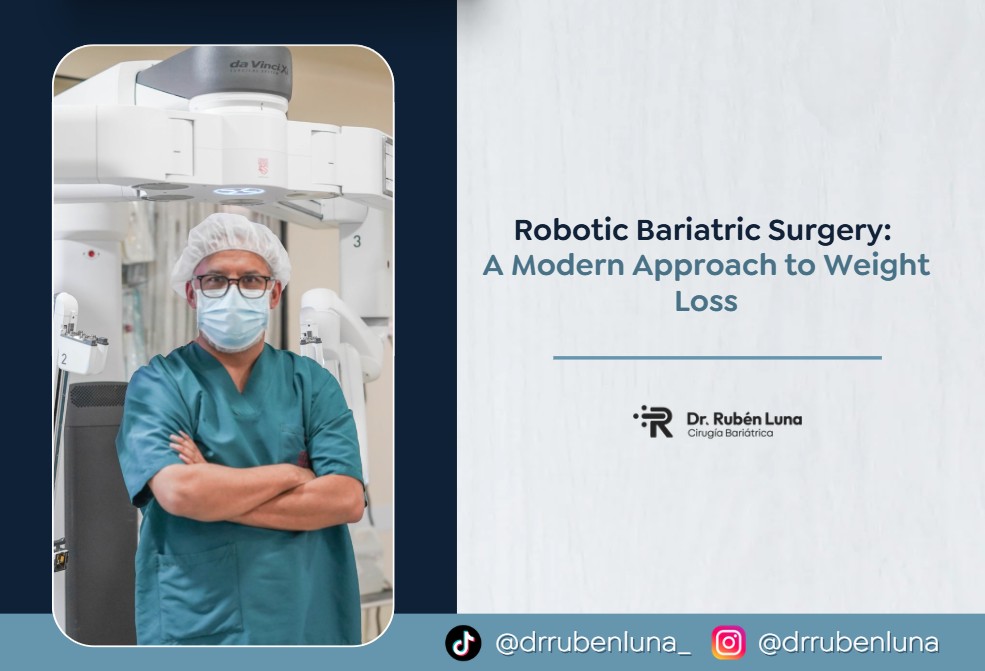
Robotic Bariatric Surgery: A Modern Approach to Weight Loss
For many patients, the hardest part of starting a weight loss journey is not the decision to change, but knowing which treatment is truly safe, effective, and worth trusting. That is exactly why robotic bariatric surgery has become such an important advancement in my practice. Today, obesity treatment is no longer limited to traditional techniques alone; instead, we can offer a more precise, minimally invasive surgical approach that allows me to operate with greater control while helping patients move toward meaningful, lasting health improvement.
For international patients, this conversation also includes where to have surgery. In many cases, Colombia has become an appealing option for bariatric treatment because it offers advanced medical care, experienced specialists, and a more affordable path compared with countries such as the United States. In this guide, I will explain how robotic surgery is used in procedures such as robotic gastric bypass surgery and robotic laparoscopic sleeve gastrectomy, what its benefits are, what recovery may look like, and why many patients are beginning to see Colombia as a smart place to pursue expert bariatric care.
What Is Robotic Bariatric Surgery?
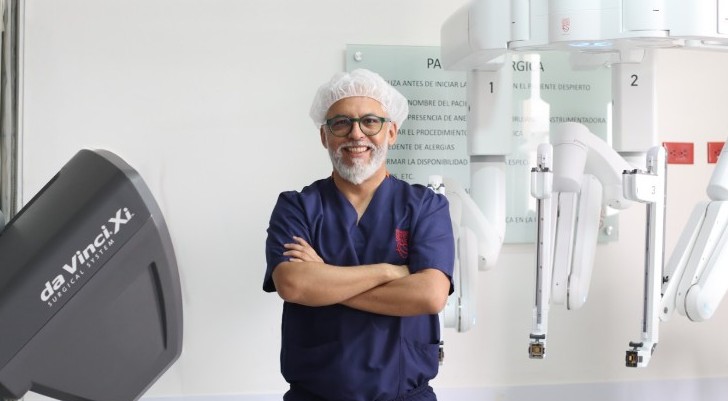
Robotic bariatric surgery is an advanced way of performing weight loss procedures using robotic technology to support the surgeon during the operation. In my practice, I use this approach in procedures such as gastric bypass and sleeve gastrectomy because it allows me to work through small incisions with a high level of precision and control.
Unlike open surgery, this approach does not require a large incision. It is also different from standard laparoscopy because the robotic platform provides me with a more detailed view of the anatomy and more refined movement during surgery. Most importantly, the robot does not operate by itself. I always remain in full control of every step.
For me, this is part of the evolution of minimally invasive robotic weight loss surgery. The goal is not only to perform surgery but also to do it with technology that supports safety, accuracy, and a better surgical experience for the patient.
How does robotic technology work in bariatric procedures?
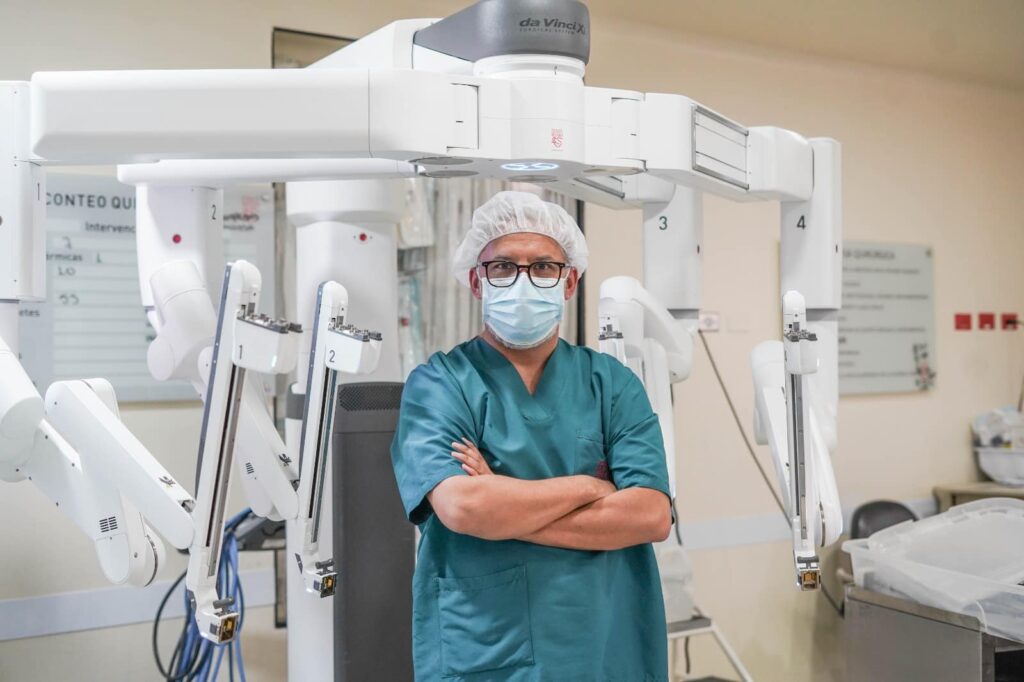
During surgery, I sit at a surgeon console and control robotic instruments that translate my hand movements into precise actions inside the body. At the same time, I work with a high-definition 3D view, which allows me to see the surgical field in much greater detail.
This added precision is especially valuable in delicate surgical steps. It helps me operate with more stability, better visualization, and greater control throughout the procedure.
Why are patients increasingly interested in robotic weight loss surgery?
Robotic weight loss surgery attracts many patients seeking a less invasive option. Smaller incisions, a modern surgical approach, and the possibility of a smoother recovery are some of the reasons this technique is getting more attention.
Patients also want to feel confident about how their surgery is performed. They are looking for safety, comfort, and strong outcomes. That is why robotic bariatric surgery has become such an important option in modern bariatric care.
Types of Robotic Bariatric Procedures
One important thing I explain to my patients is that robotic bariatric surgery is not a single operation. It is a surgical platform that can be used to perform different bariatric procedures with greater precision and control. In other words, the technology supports the surgery, but the type of procedure still depends on the patient’s needs.
The best option is always individualized. Before recommending surgery, I evaluate medical history, body mass index, eating patterns, reflux symptoms, metabolic conditions, and long-term treatment goals. That is why two patients with obesity may not need the same operation, even if both are candidates for bariatric surgery.

Gastric bypass robotic surgery
Gastric bypass robotic surgery is one of the most established options in bariatric treatment. In this procedure, I create a small stomach pouch and connect it to a portion of the small intestine. As a result, the patient eats less and absorbs fewer calories while also experiencing important hormonal and metabolic changes.
This procedure is often a strong option for patients with severe obesity, type 2 diabetes, reflux, or certain metabolic conditions. Because it involves creating precise intestinal connections, robotic support can be especially valuable.

Robotic laparoscopic sleeve gastrectomy
Robotic laparoscopic sleeve gastrectomy is another common bariatric procedure I perform. In this surgery, I reduce the size of the stomach by removing a large portion of it, leaving a narrow, sleeve-shaped stomach. This helps patients feel full sooner and supports long-term weight loss by reducing food intake and influencing hunger-related hormones.

Gastric sleeve robotic surgery
The term "gastric sleeve robotic surgery" refers to the same sleeve gastrectomy procedure performed with robotic assistance. This option may be appropriate for patients who need an effective surgical tool for weight loss and who can benefit from a simpler gastrointestinal reconstruction than gastric bypass.
As I always tell my patients, surgery is not just about reducing the size of the stomach. It is about choosing the right procedure for the right patient and building a path toward better health.
Benefits of Robotic Bariatric Surgery
One of the reasons robotic bariatric surgery has become such an important part of modern bariatric care is that it gives me a more advanced way to perform complex procedures with precision. In surgery, small differences matter. Better control, clearer visualization, and more refined movement can make a meaningful difference in how I approach each step of the operation.
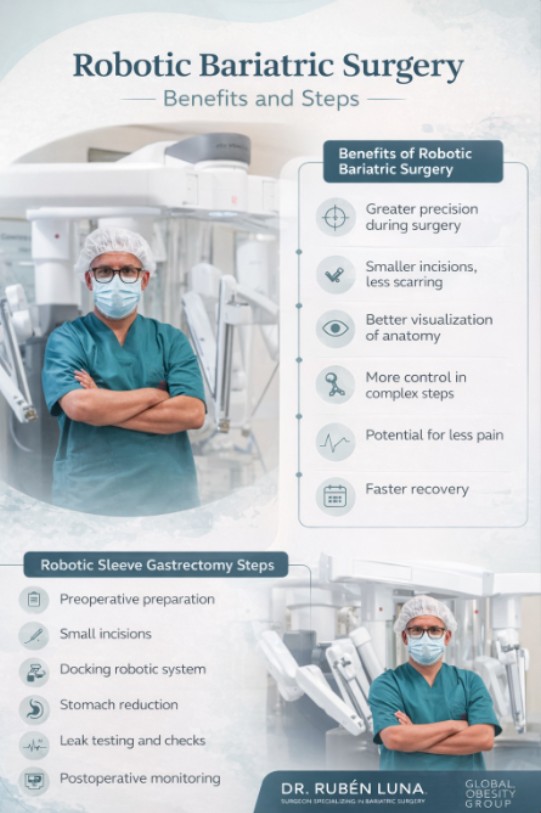
This technology allows me to work through small incisions while seeing the anatomy in high definition and in three dimensions. In addition, robotic instruments provide stable and precise movements, which can be especially useful in delicate parts of the procedure. For patients, this minimally invasive approach may translate into less postoperative discomfort and a smoother early recovery. At the same time, I always explain that these benefits do not depend on technology alone. They also depend on the surgeon’s experience, the patient’s condition, and choosing the right procedure for the right person.
Robotic bariatric surgery vs standard laparoscopy
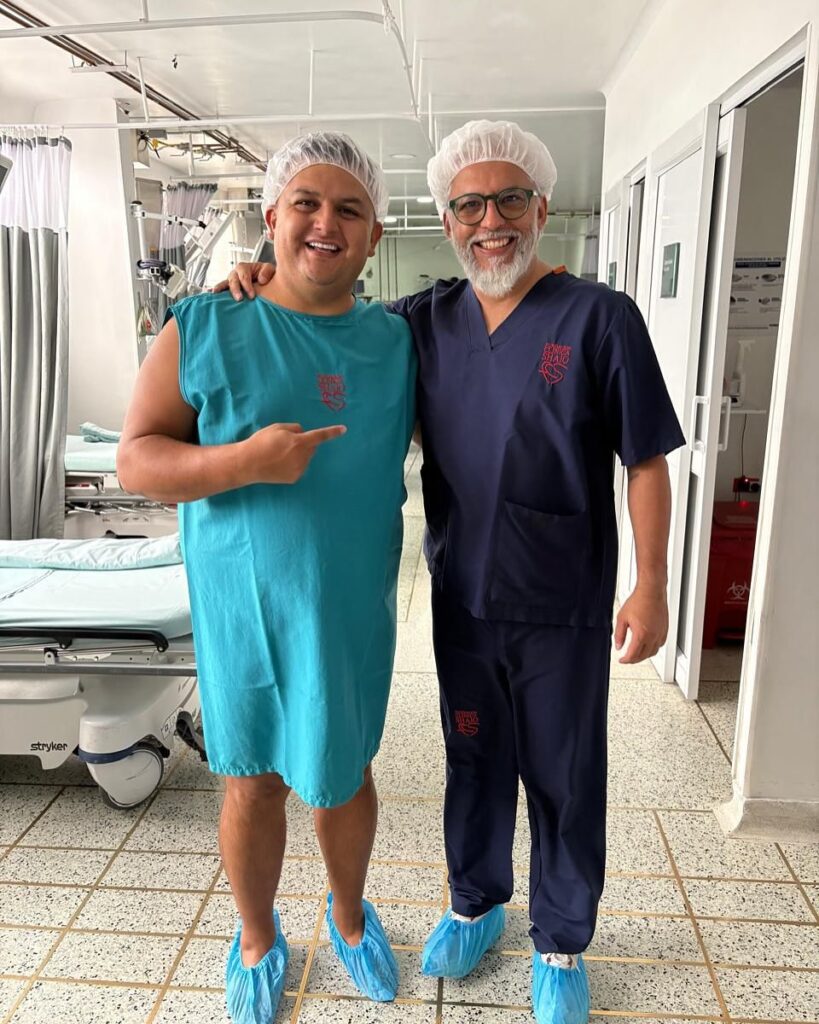
Both robotic surgery and standard laparoscopy are minimally invasive approaches, and both can be excellent options in bariatric treatment. The difference is that the robotic platform gives me enhanced visualization and a greater range of controlled movement during surgery. This can be particularly helpful in technically demanding procedures, such as gastric bypass, where precision is essential.
That said, I do not present robotic surgery as a magical solution or as something automatically better in every single case. Good outcomes come from sound surgical judgment, proper patient selection, and careful execution.
Potential advantages for patient safety and recovery
From the patient’s perspective, the main advantages often relate to comfort and recovery. Because the procedure is minimally invasive, patients usually want to know whether they may experience less pain, move sooner, and return to daily activities more comfortably. These are valid questions, and in many cases, the answer is yes: precision and smaller incisions can support a smoother postoperative experience.
Just as importantly, this approach allows me to perform bariatric surgery with a level of control that supports safety throughout the procedure. For patients, that means not only focusing on weight loss but also understanding that every surgical detail is designed to protect recovery, mobility, and long-term results.
Robotic Sleeve Gastrectomy Steps: What Happens During Surgery?
For many patients, fear comes from not knowing what happens in the operating room. That is why I believe it is so important to explain the robotic sleeve gastrectomy steps in a clear and simple way. When patients understand the process, they usually feel more confident and more prepared for surgery.
In a robotic sleeve gastrectomy, the goal is to reduce the size of the stomach in a controlled and precise way. Although the procedure is highly technical from a surgical standpoint, I always explain it to my patients as a series of carefully planned stages, each one focused on safety, accuracy, and recovery.
Step-by-step overview of a robotic sleeve gastrectomy
The process begins with preoperative preparation. This includes medical evaluation, lab work, imaging when needed, and a full review of the patient’s health status. Once everything is ready, the patient goes to the operating room, receives anesthesia, and is positioned carefully for the procedure.
Next, I make a few small incisions to place the instruments needed for surgery. Thereafter, the robotic system is positioned and connected, allowing me to control the instruments from the surgeon console. Then I begin the sleeve gastrectomy itself, reducing the stomach to create a narrow, sleeve-shaped structure that limits food intake and supports long-term weight loss.

The surgeon's actions during each step are outlined.
At every stage, my role is to make decisions that protect both safety and outcomes. During preparation, I confirm that the patient is ready for surgery and that the operative plan is clear. During the procedure itself, I use the robotic platform to work with precision, especially when dividing the stomach and shaping the sleeve.
Just as importantly, I continuously evaluate details that patients may never see but that matter deeply in bariatric surgery. I examine tissue quality, control each movement carefully, and verify that everything is progressing exactly as it should. For me, robotic surgery is not simply about using advanced technology. It is about applying that technology with judgment, experience, and a clear commitment to doing every step well.
Why these steps matter to patients
Patients often focus on the result, but every part of the surgery influences that outcome. Proper preparation, precise technique, and careful safety checks all contribute to a smoother recovery and a more reliable surgical experience.
That is why I always remind my patients that bariatric surgery is not just one moment in the operating room. It is a structured medical process, and each step plays a role in supporting long-term success.
How Long Does Robotic Gastric Sleeve Surgery Take?
One of the most common questions I hear is, how long does robotic gastric sleeve surgery take? In general, the operative time can vary from one patient to another. There is no single number that applies to every case because each surgery depends on factors such as anatomy, body mass index, previous abdominal procedures, and the overall complexity of the operation.
I also remind my patients that surgery time is only one part of the full experience. In addition to the procedure itself, there is preoperative preparation, anesthesia, positioning in the operating room, and postoperative observation in the recovery area. For that reason, I always encourage patients to think beyond the clock. In bariatric surgery, safety, precision, and careful execution matter much more than speed alone.
What can influence the length of robotic gastric sleeve surgery?
Several factors can affect how long surgery takes. For example, patients who have had previous abdominal surgeries may have scar tissue that requires more careful dissection. Likewise, a higher degree of obesity or more complex anatomy can make certain steps more demanding from a technical standpoint.
Associated medical conditions, such as diabetes or cardiovascular issues, can also influence how the case is managed in the operating room, potentially requiring additional precautions or modifications to the surgical approach. At the same time, surgical planning and team experience play an important role. In my practice, every procedure is organized in advance so that each step is performed with clarity and purpose. That preparation helps create a smoother surgical flow while always keeping patient safety first.
Recovery After Robotic Bariatric Surgery
Recovery is one of the most important parts of the bariatric journey, and it begins immediately after surgery. After robotic bariatric surgery, patients are monitored closely, and in many cases, early movement starts sooner than they expect. Walking, hydration, pain control, and gradual dietary progression all become part of the recovery plan from the very beginning.
Most patients also want to know when they can return to normal life. The answer depends on the procedure, the patient’s health, and how recovery progresses in the first days. However, because the operation is a minimally invasive approach, many patients can mobilize early and move step by step toward their usual routine. Even so, recovery is not only about healing incisions. It is also about adapting to new habits, new nutritional stages, and a new relationship with food.
What is recovery like after robotic weight loss surgery?
After robotic weight loss surgery, the first milestones usually include standing up, walking, starting hydration, and following the dietary instructions given by the medical team. These early steps matter because they support circulation, comfort, and a more stable recovery process. Pain is usually managed with a structured postoperative plan, and patients are guided carefully through what to expect in the first days.
That said, every patient recovers at a different pace. Some feel ready to resume light daily activities sooner, while others need slightly more time. What matters most is that recovery is supervised properly and that each phase is respected. In my experience, patients do best when they understand that healing is progressive and that favourable results come from following the process closely.
Why is follow-up essential after bariatric surgery?
Surgery is only one part of successful treatment. Long-term results depend heavily on follow-up, which is why I consider multidisciplinary care essential after bariatric surgery. Patients need nutritional monitoring to make sure they are progressing well, meeting hydration goals, and adapting correctly to each dietary stage.
Just as importantly, follow-up provides emotional support and helps patients build the habits that sustain long-term weight loss. It also allows the medical team to detect concerns early, prevent complications, and guide each patient with consistency. In other words, the procedure may begin the transformation, but structured follow-up is what helps protect and maintain the result over time.
Results Patients Can Expect
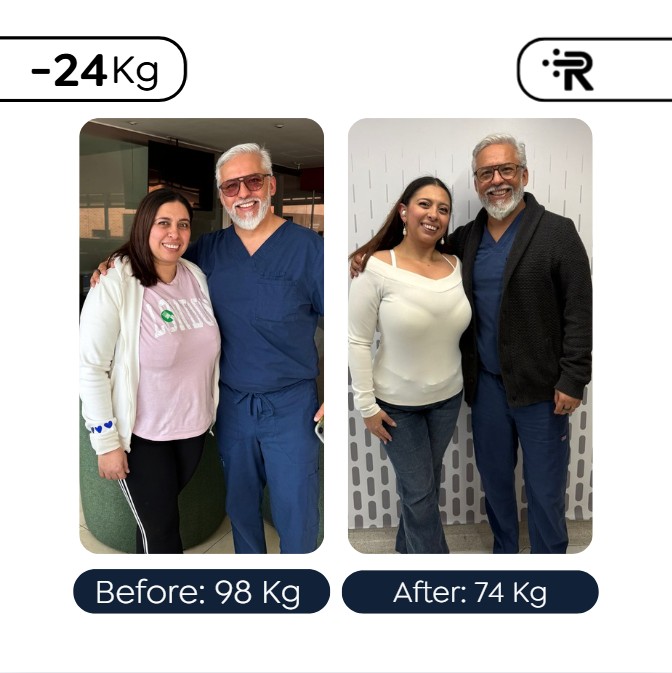
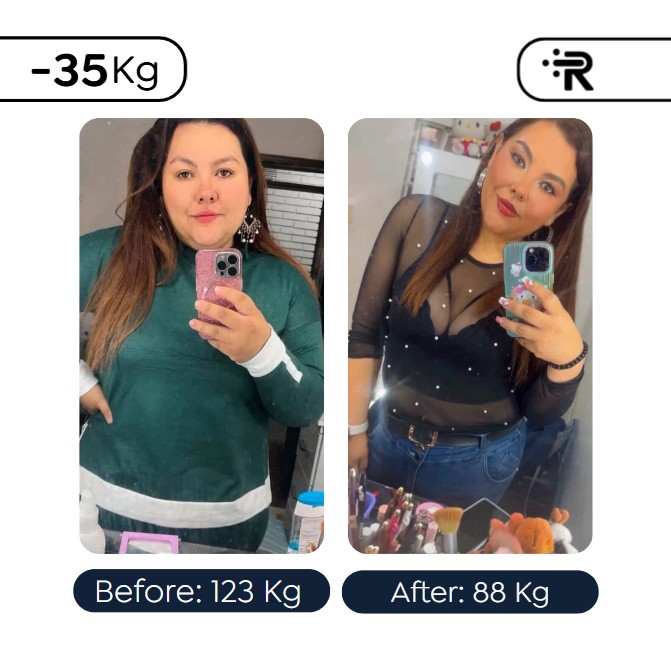
One of the most important conversations I have with my patients is about expectations. Bariatric surgery is a powerful tool, but it is not a standalone solution. The results a patient can achieve after robotic bariatric surgery depend on several factors, including the type of procedure, adherence to medical recommendations, daily habits, and long-term follow-up.
Often, patients experience meaningful weight loss and improvement in obesity-related conditions. However, long-term success requires commitment, consistency, and ongoing medical guidance. Robotic technology helps me perform surgery with greater precision, but the outcome also depends on everything that happens after the operation, from nutrition to lifestyle change.
Weight loss and health improvement after robotic bariatric surgery
The goal of bariatric surgery is not only to help patients lose weight. It is also to improve overall health. When the right procedure is chosen and the patient follows the treatment plan, surgery may support better mobility, improved quality of life, and better metabolic control.
For many patients, the outcome can mean progress in areas such as blood sugar regulation, blood pressure, sleep quality, joint discomfort, and daily energy levels. That is why I always explain that success should not be measured only by the number on the scale but by the broader health transformation that can follow.
Why is long-term success about more than the procedure itself?
Surgery is not the end of change; it is the start of it. Lasting results depend on nutrition, physical activity, emotional support, and consistent follow-up with the medical team. Without that structure, even a well-performed surgery may not deliver its full long-term benefit.
That is why I encourage my patients to see bariatric surgery as part of a complete process. The procedure creates an opportunity, but long-term success comes from how that opportunity is supported over time, including lifestyle changes, ongoing medical support, and regular follow-up care.
You may be interested Bariatric Surgery in Colombia: Complete Guide 2026
Is Robotic Bariatric Surgery Right for Every Patient?
The honest answer is no. Not every patient is automatically a candidate for robotic bariatric surgery, and not every patient should have the same bariatric procedure. Excellent medical judgment means evaluating the person, not just the diagnosis.
Before recommending surgery, I consider body mass index, medical conditions, previous abdominal surgeries, eating behaviors, reflux symptoms, and the patient’s treatment goals. This full evaluation is essential before deciding whether gastric bypass or sleeve gastrectomy is the most appropriate option. In my view, ethical bariatric care always starts with personalization.
Who may be a candidate for robotic bariatric surgery?
In general, patients who live with obesity or obesity-related medical conditions may be candidates for bariatric surgery. However, candidacy is never determined by one factor alone. It requires a thorough assessment of health status, surgical history, and readiness for the lifestyle changes that come after the procedure.
That is why I avoid making promises without a full evaluation. The best way to know whether a patient is a suitable candidate is through complete consultation and a careful review of the case.
Why should the best bariatric procedure be personalized?
There is no universal procedure that fits every patient. Some people may benefit more from sleeve gastrectomy, while others may be better candidates for gastric bypass. The right choice depends on the patient’s anatomy, metabolic profile, symptoms, and long-term needs.
In my practice, I do not focus only on performing surgery. I focus on choosing the right operation for the right patient. That individualized approach is one of the most important parts of safe and responsible bariatric care.
You may be interested Bariatric robotic surgery in Colombia: Safety, costs, and benefits
Risks and Considerations Patients Should Know
Every surgery carries risks, and bariatric surgery is no exception. I believe patients deserve honest and clear information, because trust is built through transparency. Robotic technology can support precision during surgery, but it does not eliminate risk.
As with any operation, there are general considerations such as bleeding, infection, leakage, anesthesia-related events, or postoperative complications. That does not mean patients should feel alarmed, but they should understand that surgery must always be approached with seriousness, preparation, and expert care. This is why choosing an experienced surgeon and a structured medical team matters so much.
Understanding risks without fear
I always explain risks in a calm and balanced way. The goal is not to create fear but to help patients make informed decisions. When people understand both the benefits and the responsibilities of surgery, they are better prepared for the process.
In my experience, informed patients tend to feel more confident. They know what the procedure can offer, what recovery requires, and why follow-up is so important. That clarity helps build a safer and more realistic treatment journey.
Understanding the importance of a surgeon's experience in robotic bariatric surgery is crucial.
Technology is valuable, but experience is what gives that technology meaning. In robotic bariatric surgery, outcomes depend on much more than the platform itself. They depend on surgical judgment, case selection, planning, technique, and postoperative guidance.
That is why I always tell patients to look beyond the word “robotic.” What matters is who is doing the surgery, how the case is assessed, and what support the patient receives before and after. In bariatric surgery, expertise and follow-up are just as important as the operation itself.
Many International Patients Consider Colombia for Robotic Bariatric Surgery
For many people exploring bariatric treatment abroad, the decision is not only about the procedure itself, but also about finding the right balance between medical quality, safety, personal attention, and overall cost. That is one of the reasons Colombia has become an increasingly attractive option. Patients often find that they can access advanced bariatric care, modern surgical technology, and experienced specialists in a setting that is more affordable than what they may encounter in countries such as the United States or Canada.
Just as importantly, choosing Colombia is not only about paying less. It is about receiving care in a country that has earned growing recognition in medical tourism, especially for patients looking for specialized treatment with a more personalized experience. In my practice, I see many international patients who are not simply comparing prices. They are also looking for surgical expertise, clear communication, coordinated care, and the confidence of knowing they will be supported before, during, and after surgery.
A more affordable option without losing sight of quality
One of the strongest reasons patients consider Colombia is cost-benefit. In many cases, bariatric surgery in Colombia can be more accessible than in higher-cost healthcare markets, which allows patients to explore treatment sooner instead of delaying an important health decision. However, affordability should never be the only reason to choose where to have surgery. What matters most is combining that economic advantage with medical judgment, surgical experience, and a structured treatment process.
Advanced technology and specialized bariatric care
Patients traveling for surgery want to know that they are not sacrificing quality for price. That is why robotic bariatric surgery changes the conversation. This is a modern, minimally invasive approach that gives me greater precision, visualization, and control during surgery. For international patients, that means Colombia can offer not only affordability, but also access to advanced bariatric techniques performed with a high level of surgical planning and expertise.
A more complete medical journey for international patients
Traveling for surgery can feel overwhelming if the process is not well organized. That is why support matters so much. International patients usually need more than an operation. They need guidance through evaluation, planning, travel logistics, recovery, and follow-up. In my practice, I believe this structured support is essential, because it helps patients feel informed, cared for, and confident throughout the entire process.
Colombia makes sense for the right patient
Colombia can be an excellent option for patients who want expert bariatric care, advanced technology, and a more accessible overall treatment path. The key is making sure the decision is based on quality, safety, and personalized medical evaluation, not on price alone. When those elements come together, Colombia becomes more than a destination for surgery. It becomes a place where patients can begin a serious, well-supported transformation in their health.
Why Choose Dr. Rubén Luna for Robotic Bariatric Surgery and Ongoing Support?
If you are reading this from outside Colombia, you are probably looking for more than a procedure. You are looking for clarity, safety, and a surgeon you can truly trust. In my practice, I combine experience in bariatric surgery with a strong focus on minimally invasive and robotic techniques, always guided by what is best for each patient. My approach is personal and patient-centered, which means I take the time to understand your health history, your goals, and your concerns so we can make the right decision together with confidence and peace of mind.
At the same time, I believe great bariatric care does not begin and end in the operating room. It is a complete medical journey that includes preparation, surgery, recovery, and long-term follow-up. That is why I work with a multidisciplinary team that supports patients before and after surgery, including those who travel from abroad. If you are considering treatment in Colombia, I want you to know that you will not be navigating the process alone. My team and I are here to guide you through each step, with coordinated care, close follow-up, and the kind of human support that helps you feel cared for from the very beginning.
Frequently Asked Questions About Robotic Bariatric Surgery
1. What is robotic bariatric surgery?
Robotic bariatric surgery is a minimally invasive approach that allows me to perform weight loss procedures with the support of advanced robotic technology. The robot does not operate on its own. I control every movement throughout the procedure. This platform gives me enhanced visualization, precise instrument control, and a refined way to perform bariatric surgery through small incisions.
2. Is robotic bariatric surgery the same as traditional bariatric surgery?
Not exactly. The purpose of the surgery is the same, which is to help patients achieve meaningful weight loss and improve obesity-related health conditions. The difference is in how the operation is performed. Traditional open surgery involves larger incisions, while minimally invasive techniques use smaller ones. Robotic surgery is an advanced minimally invasive approach that can offer more precision and control during the procedure.
3. What procedures can be performed with robotic technology?
Robotic technology can be used in different bariatric operations, including robotic gastric bypass surgery and robotic laparoscopic sleeve gastrectomy. The right procedure depends on several factors, such as your body mass index, medical history, eating habits, reflux symptoms, metabolic conditions, and long-term treatment goals. That is why a proper evaluation is always necessary before recommending surgery.
4. How does robotic gastric bypass surgery work?
In robotic gastric bypass surgery, I create a small stomach pouch and connect it to a portion of the small intestine. This reduces the amount of food the patient can eat and changes the digestive process in a way that can support weight loss and metabolic improvement. It is often a strong option for patients with severe obesity, reflux, type 2 diabetes, or certain metabolic conditions.
5. What is gastric sleeve robotic surgery?
Gastric sleeve robotic surgery is a sleeve gastrectomy performed with robotic assistance. In this procedure, I remove a large portion of the stomach, leaving a narrow, sleeve-shaped stomach. This helps patients feel full sooner and supports long-term weight loss by reducing food intake and influencing hunger-related hormones. It is one of the most requested bariatric procedures.
6. How long does robotic gastric sleeve surgery take?
Many patients ask, how long does robotic gastric sleeve surgery take. The answer varies depending on the patient and the complexity of the case. Factors such as prior abdominal surgeries, degree of obesity, anatomy, and associated medical conditions can influence operative time. I always tell my patients that safety and precision matter more than speed. Surgery time is only one part of the process, since preparation, anesthesia, and recovery room monitoring are also important.
7. What are the main robotic sleeve gastrectomy steps?
The main robotic sleeve gastrectomy steps usually include preoperative preparation, anesthesia, placement of small incisions, docking of the robotic system, reduction of the stomach, inspection of the staple line, leak testing when appropriate, and immediate postoperative monitoring. Although the procedure is technical from a surgical perspective, I always explain it to patients in a clear way, so they understand what to expect and feel more confident about the process.
8. Is recovery easier after robotic weight loss surgery?
Recovery after robotic weight loss surgery is often smoother because it is a minimally invasive approach, but each patient heals at a different pace. In general, patients can expect early walking, hydration, pain management, and a progressive dietary plan. Smaller incisions and precise surgical techniques may support comfort and mobility after surgery, but recovery also depends on the patient’s overall health, the type of procedure, and careful follow-up.
9. Am I automatically a candidate for robotic bariatric surgery?
No. Not every patient is automatically a candidate for robotic bariatric surgery, and not every patient needs the same procedure. The decision depends on your body mass index, medical conditions, previous surgeries, symptoms, and treatment goals. In my practice, I always perform a full evaluation before recommending sleeve gastrectomy, gastric bypass, or another treatment strategy. The best bariatric plan is always personalized.
10. Why does follow-up matter so much after bariatric surgery?
Because surgery is only one part of the treatment. Long-term success depends on nutrition, hydration, physical activity, emotional support, and regular medical monitoring. Good follow-up helps patients adapt to new habits, detect concerns early, and protect their results over time. That is why I believe patients are not only choosing surgery. They are choosing a complete medical journey with guidance before, during, and after the procedure.
Fuentes usadas en este artículo
Chica, M., & Arroyo, C. (2022). Estudio comparativo entre efectividad de la cirugía manga gástrica versus el balón intragástrico en el Hospital Teodoro Maldonado Carbo. Se puede consultar aquí.