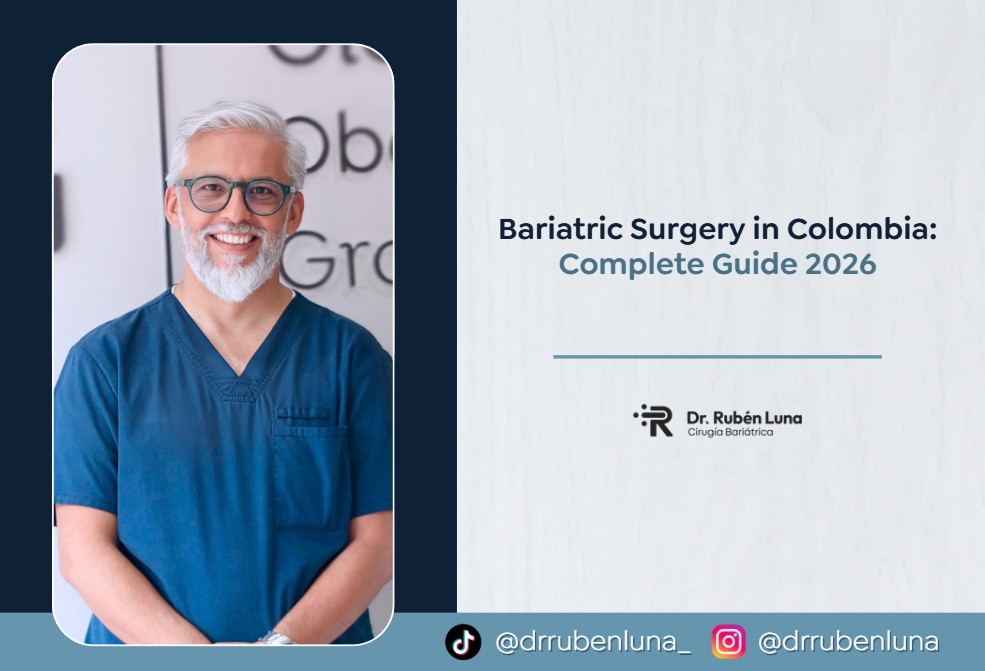
Bariatric Surgery in Colombia: Complete Guide 2026
In 2026, I keep meeting people who tell me the same thing: “Doctor, I’ve tried everything… and I’m tired of starting over.” If that’s you, I want you to take a breath and read this calmly. Bariatric Surgery in Colombia isn’t a trend or a shortcut—it’s a medical decision that, when indicated and done with the right team, can protect your health and give you a realistic path forward. My goal is not to “sell” you surgery; my job is to help you understand what’s happening in your body, evaluate your risks, and choose the safest, most appropriate strategy for long-term results.
In this complete 2026 guide, I’ll explain how bariatric surgery works as a tool for metabolic health (not aesthetics), who may be a candidate, what to expect from recovery and follow-up, and how options like robotic bariatric surgery are changing the patient experience—especially for those traveling for robotic bariatric surgery in Colombia. And if you’re considering taking the next step, I’ll also tell you how an evaluation with a bariatric surgery specialist works, so you can make a confident, informed decision based on your medical reality—not fear, pressure, or misinformation.
Why Bariatric Surgery in Colombia in 2026?
In 2026, I see a clear shift: patients are no longer just looking for “a surgery.” They’re looking for a safe, structured medical process that helps them improve health and sustain results.
What has changed in 2026 (and why it matters)
1) Better protocols before, during, and after surgery
Today, quality care is defined by the pathway, not only by the operating room. That means:
- More complete pre-op evaluations to reduce risk
- Clearer criteria for patient selection (not “one-size-fits-all”)
- Standardized safety steps in surgery
- A post-op plan that continues well beyond discharge
2) Structured follow-up is now non-negotiable
In my experience, the strongest outcomes happen when follow-up is designed as part of treatment, including:
- A roadmap for nutrition and daily habits
- Regular monitoring to prevent deficiencies
- Support for behavioral and emotional adaptation
- Adjustments based on your progress—not generic advice
3) More access to advanced approaches—when they add real value
Colombia has expanded access to technology that can improve precision in selected cases. For example:
- robotic bariatric surgery can support controlled movements and consistency in complex steps
- It may also align with recovery-oriented goals when properly indicated
- But it’s not “better for everyone”—the best approach is the one that fits your diagnosis
Why waiting “until it gets worse” is a metabolic mistake
This is one of the most common phrases I hear: “Doctor, I’ll wait a bit more.”
The problem is that metabolic disease often progresses quietly.
What “getting worse” can look like—without obvious symptoms
• Insulin resistance or rising blood sugar
• High blood pressure
• Fatty liver
• Sleep apnea and poor sleep quality
• Chronic inflammation, joint pain, low energy
What waiting usually changes
• Higher surgical risk due to worsening comorbidities
• More difficulty recovering physical capacity
• A longer path to regain health and maintain results
If there’s one idea, I want you to keep: in 2026, the biggest improvement isn’t just technology—it’s the structure.
Bariatric Surgery in Colombia can be done with better planning, clearer safety protocols, and a follow-up strategy built for long-term success.
You might be interested Bariatric robotic surgery in Colombia: Safety, costs, and benefits
Bariatric surgery benefits: what patients are really seeking (beyond weight)
When people ask me about bariatric surgery benefits, they often start with a number on the scale. That’s understandable—but in my practice, the most meaningful “wins” are usually the ones you feel in your daily life: better labs, easier movement, deeper sleep, and the confidence of having your health back on track.
Health outcomes: metabolic improvement, mobility, energy, quality of life
Metabolic health that shows up in your labs—and in how you feel
Many patients come in with silent metabolic problems that have been building for years. When surgery is properly indicated, benefits may include:
• Better blood sugar control and improved insulin resistance
• Healthier blood pressure and cardiovascular risk reduction
• Improvement in fatty liver markers
• Better sleep quality, especially when sleep apnea is present
Mobility and physical comfort you can measure day to day
As weight decreases and inflammation improves, patients often notice:
• Less joint pain and easier walking or climbing stairs
• More stamina for work, travel, and family life
• Greater ability to build an exercise routine without limiting progress
Energy and quality of life: the benefit most people underestimate
What I hear again is not “I lost X pounds,” but:
• “I wake up with energy.”
• “I can move without thinking about it.”
• “I feel present again.”
And that’s where the real transformation lives—because it’s sustainable when it’s tied to health, not just appearance.
Long-term success depends on follow-up, not just the procedure
If I could correct one misconception in 2026, it would be this: bariatric surgery is not the finish line, it’s the start of a more effective medical strategy. The procedure helps change the conditions that made weight loss so hard, but long-term results depend on what happens next.
Why follow-up protects your results
A structured program helps you:
- Preventing nutritional deficiencies through monitoring and supplementation
- Adjust your bariatric surgery diet over time as your body adapts
- Strengthen habits without extreme restriction
- Address emotional eating patterns with professional support
- Catch small problems early—before they become setbacks
The best outcomes follow a simple rule
Surgery creates the opportunity. Follow-up creates the outcome.
That’s why, when patients evaluate bariatric surgery benefits, I encourage them to look beyond the operating room: choose a team that can guide you before surgery, support you in the first year, and keep you progressing with clarity and consistency.
You might be interested Understanding Gastric Sleeve Cost: A Medical Comparison Between Colombia and the USA
Bariatric surgery specialist: how to choose the right team in Colombia
If you’re researching bariatric surgery specialist options, I want you to think beyond “who can operate.” The real question is: who can guide your case safely from evaluation to long-term follow-up? In 2026, outcomes are defined by the team, the process, and the clinical judgment behind every decision.
Experience, patient selection, and a diagnosis-driven approach
What experience should translate into
Experience matters most when it shows good judgment, such as:
• Knowing when surgery is indicated—and when it isn’t
• Recognizing higher-risk profiles early (and optimizing them before surgery)
• Choosing the right procedure and approach based on your physiology, not trends
Patient selection is a safety protocol
One of the most important “safety tools” is saying no when surgery isn’t the best first step. A diagnosis-driven evaluation typically includes:
• Metabolic and cardiovascular risk assessment
• Review of weight history, prior treatments, and adherence patterns
• Screening for sleep apnea and liver health when relevant
• A plan that anticipates nutritional needs and behavior change
Multidisciplinary program: why it’s a safety and results factor
Surgery is one day—results are built over months
The strongest bariatric surgery benefits come when the program includes:
• Nutrition support (before and after surgery)
• Behavioral/psychological guidance to protect adherence
• Medical monitoring to prevent deficiencies and complications
• Follow-up structure that doesn’t disappear after the first weeks
Why multidisciplinary care improves safety
A coordinated team helps reduce risk by:
• Catching problems early (hydration, tolerance, supplementation)
• Adjusting the plan based on your progress
• Supporting you through plateaus without panic decisions
Technology where it adds value (not marketing)
Technology should serve your outcome—not the other way around. In some cases, advanced approaches (including robotic platforms) can improve precision or consistency during complex steps, but:
- The indication matters more than the device
- The surgeon’s expertise with the technique matters more than the label
- Your anatomy, risks, and goals should drive the choice
If a clinic sells you technology without explaining why it fits your case, consider that a red flag.

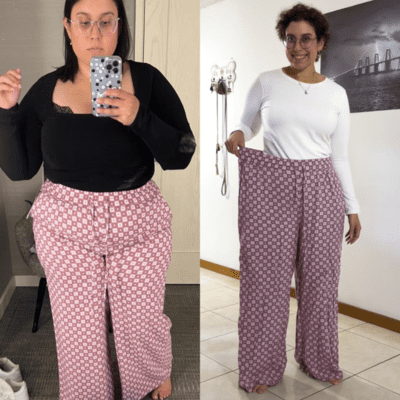
Bariatric surgery age limit: who can be considered in 2026?
I’m often asked about bariatric surgery age limit, and I understand why—age feels like a clear boundary. But clinically, age is only one variable. In 2026, the better question is: What is your current health risk, and are you ready for the process?
Age is not the only factor: overall health, risks, and readiness
When I evaluate a patient, I focus on:
- Cardiometabolic risk (blood sugar, blood pressure, inflammation markers)
- Sleep quality and breathing (sleep apnea risk)
- Mobility, joint limitations, and functional capacity
- Medication burden and existing conditions
- Your ability to commit to follow-up and nutritional care
Some younger patients have severe metabolic disease and benefit from timely intervention. Some older patients may be excellent candidates if their health is optimized and their follow-up is strong. The decision is individualized—always.
When surgery may not be the first step (prevention-first philosophy)
Sometimes, the safest and smartest plan is to start with medical management first—especially if:
- Your metabolic markers can improve significantly with a structured program
- There are modifiable risks that should be stabilized before surgery
- You need time to build adherence routines that will protect long-term success
My approach in 2026 is simple: use the least invasive strategy that can realistically protect your health—and escalate to surgery when the medical indication is clear.
Bariatric Surgery Options in Colombia: sleeve vs bypass (2026 overview)
One reason Bariatric Surgery in Colombia continues to grow is that we can match the procedure to the patient—rather than forcing everyone into the same option. The decision between sleeve and bypass should never be based on what’s “popular.” It should be based on your metabolic profile, eating patterns, risk factors, and goals.
Gastric sleeve: who it may fit best
A gastric sleeve is often considered when a patient may benefit from:
- A restrictive procedure that supports appetite control
- A simpler anatomical change compared to bypass
- A pathway that still requires strong nutritional follow-up
Important: sleeve is not “the easy one.” It can be highly effective, but your success still depends on program structure, nutrition, and behavioral support, especially during the first year.
Gastric bypass: when it may be recommended
Gastric bypass may be recommended in cases where we need:
- Stronger metabolic impact on specific profiles
- A different physiological mechanism that can better match the patient’s needs
- A solution that aligns with certain comorbidities or reflux patterns (case-dependent)
This is why the evaluation matters. The goal isn’t to choose the most aggressive procedure, it’s to choose the most appropriate one.
How we decide: personalized indication instead of one-size-fits-all
In my practice, I don’t decide based on a single metric. I integrate:
- Your metabolic status and lab markers
- Your medical history and current risks
- Eating behaviors and patterns that affect adherence
- Lifestyle, schedule, and capacity for follow-up
- Expected risk-benefit balance for sleeve vs bypass
That’s what creates durable bariatric surgery benefits: a clear indication, a precise plan, and a structured follow-up program designed to keep you progressing—safely, steadily, and realistically.
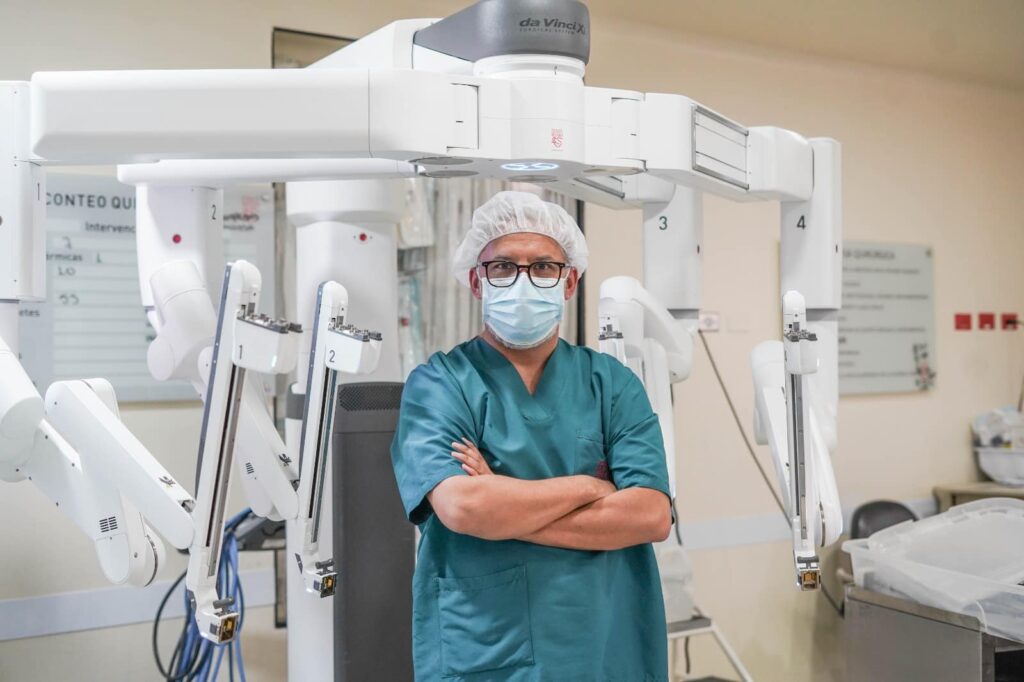
Robotic bariatric surgery in Colombia: precision in 2026
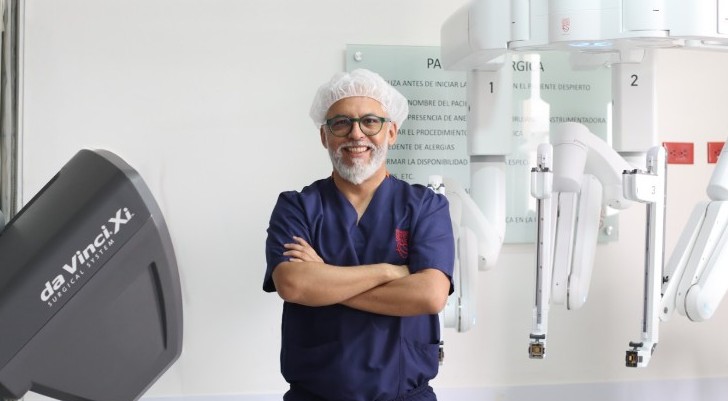
In 2026, when patients ask me about robotic bariatric surgery, they’re usually looking for one thing: more confidence. They want to know if the procedure can be done with less trauma, more precision, and a smoother recovery—without compromising safety. That’s exactly how I frame it as a surgeon: robotics is not “magic,” it’s a platform that can add value in specific cases when the indication is correct and the team is experienced.
What “robotic” really means (and what it doesn’t)
What it is
• A surgical system that translates the surgeon’s movements into highly controlled, precise actions
• A way to improve dexterity and visualization during complex steps
• A tool that can support consistency in delicate maneuvers
What it is not
• It’s not “the robot operating on you”
• It’s not a guarantee of better results by default
• It doesn’t replace clinical judgment, patient selection, or follow-up
That’s why I don’t present robotic bariatric surgery in Colombia as a marketing headline. I present it as a clinical option—useful when it truly matches your case.
Fewer incisions strategy: why it matters for recovery and comfort
Many patients care about scars, of course—but clinically, fewer incisions can also matter for:
- Reducing overall tissue impact
- Improving comfort during early recovery
- Making mobility easier in the first days
- Supporting a smoother return to daily activities
When robotic techniques allow us to work with a fewer-incisions strategy (based on indication), it can be an advantage for the patient experience. However, I always prioritize safety and precision over cosmetic outcomes. The goal is: less trauma, more control, and a recovery plan you can follow.
Robotic bariatric surgery in Bogotá: what international patients should know
If you’re exploring robotic bariatric surgery in Bogotá, you’re likely comparing destinations. In my opinion, the right question isn’t only “where is cheaper?” It’s: where can I receive high-level care with structure, continuity, and a team that understands the international patient journey?
Why Bogotá is a strong destination for advanced bariatric care
Bogotá offers a combination that international patients value:
- Specialized surgical teams with high case exposure
- Access to advanced technology when clinically indicated
- Hospitals and clinics with standards designed for complex procedures
- A healthcare culture where multidisciplinary programs are increasingly central to outcomes
In 2026, this matters because bariatric surgery is not a single event, it’s a medical process that requires coordination.
Virtual consultation + surgical planning for patients traveling to Colombia
Before you travel, I prefer you to feel informed and prepared. A virtual consultation typically helps us:
- Review your medical history, goals, and previous weight-loss attempts
- Identify key risk factors that must be addressed before surgery
- Discuss options (sleeve vs bypass, laparoscopic vs robotic when relevant)
- Outline what labs, studies, and clearances you may need
- Build an initial plan so your trip is efficient and safe
This is not about rushing, it’s about planning properly, so when you arrive, we already know what we’re doing and why.
Follow-up from abroad: continuity of care after you return home
Many patients worry: “What happens when I go back?” That’s a valid concern. Continuity matters, so follow-up should include:
- Clear nutrition guidance and staged adaptation
- Monitoring for deficiencies and tolerance issues
- Check-ins that can be done remotely when appropriate
- A structured roadmap for the first year (the most important period)
In other words, international care should not feel like a one-time transaction. It should feel like a medical relationship—with a plan that follows your home.
Bariatric surgery cost: what influences pricing in Colombia (2026)
When people ask about bariatric surgery costs, I respect that question—because this is a major decision. But I always encourage patients to evaluate cost the right way: not as a single number, but as a reflection of safety, structure, and long-term support.
What typically changes the cost: complexity, approach, clinic standards, follow-up
In 2026, the main factors that can influence bariatric surgery cost in Colombia include:
- Procedure type (sleeve vs bypass) and case complexity
- Surgical approach (laparoscopic vs robotic, when indicated)
- Facility standards and safety protocols
- Anesthesia and perioperative care level required for your risk profile
- The depth of follow-up included (nutrition, monitoring, scheduled controls)
A simpler case and a higher-risk case should not be priced—or managed—the same way.
What “program value” means (surgery + team + post-op care)
I want you to evaluate value like a physician would. A true bariatric program is not just the operation. It includes:
- Pre-op evaluation and risk optimization
- The surgical procedure with an experienced team
- A structured follow-up plan (especially the first year)
- Nutritional monitoring and deficiency prevention
- Guidance that protects results and reduces complications
In many cases, the “cheapest option” becomes expensive later—when follow-up is missing and preventable problems appear.
Cost questions to ask before choosing a provider
If you’re comparing options, here are practical questions I recommend asking:
About what’s included
• What does the fee include: pre-op evaluation, surgery, hospital stay, and follow-up?
• Is nutrition support included, and for how long?
• How many post-op visits are structured in the program?
About safety and standards
• What safety protocols are standard for higher-risk patients?
• Where is surgery performed, and what level of facility is it?
• How do they manage complications or urgent concerns?
About long-term outcomes
• What does the first-year follow-up roadmap look like?
• How do they monitor nutritional deficiencies?
• Do they provide remote follow-up for international patients?
If a provider struggles to answer these clearly, that’s information too. In 2026, bariatric surgery cost should be evaluated through one lens above all: the quality of the process and the safety of the program you’re entering.
Bariatric surgery nutrition: the key to feeling well and maintaining results
If you want sustainable outcomes, bariatric surgery nutrition is not optional, it’s the foundation that protects your health and your results.
Supplements and labs: why they matter
- Supplements are prevention, not “extra pills”
- Labs tell us what your body is absorbing and what needs adjustment
- When we monitor early, we prevent fatigue, hair shedding, anemia, and weakness
Your relationship with food after surgery: adaptation and support
After surgery, your body responds differently to portions, speed of eating, and food quality. Support helps you:
- Eat with structure instead of anxiety
- Recognize tolerance patterns without fear
- Build consistency rather than extreme restriction
The first-year follow-up: structure that protects results
The first year is where habits, tolerance, and metabolism stabilize. A clear roadmap helps you:
- Stay on track through plateaus
- Prevent deficiencies and avoid “guessing”
- Maintain progress with calm, clinical guidance
Bariatric surgery diet: a realistic roadmap (before and after surgery)
A successful bariatric surgery diet is not about perfection—it’s about a clear sequence that your body can tolerate while healing.
Pre-op diet goals (high-level, non-prescriptive)
Before surgery, diet goals are usually about preparation:
• Improve metabolic stability
• Reduce inflammation and support the liver
• Practice structure and hydration habits that help post-op success
Post-op phases overview (clear, simple, no “meal plans”)
Most programs follow a progression like:
• Liquids → pureed/soft textures → gradual solids
• Protein-first focus as tolerance improves
• Hydration routines that prevent fatigue and constipation
(Exact timing and details should always be individualized by your team.)
Common mistakes that slow progress—and how to avoid them
• Eating too fast or not chewing well → discomfort and intolerance
• Prioritizing “slider foods” over protein → slower progress
• Skipping supplements or labs → deficiencies that affect energy
• Inconsistent follow-up → guessing instead of adjusting
In 2026, the safest path is simple: treat diet and nutrition as part of your medical plan—because they are.
Why choose Dr. Rubén Luna for Bariatric Surgery in Colombia in 2026?
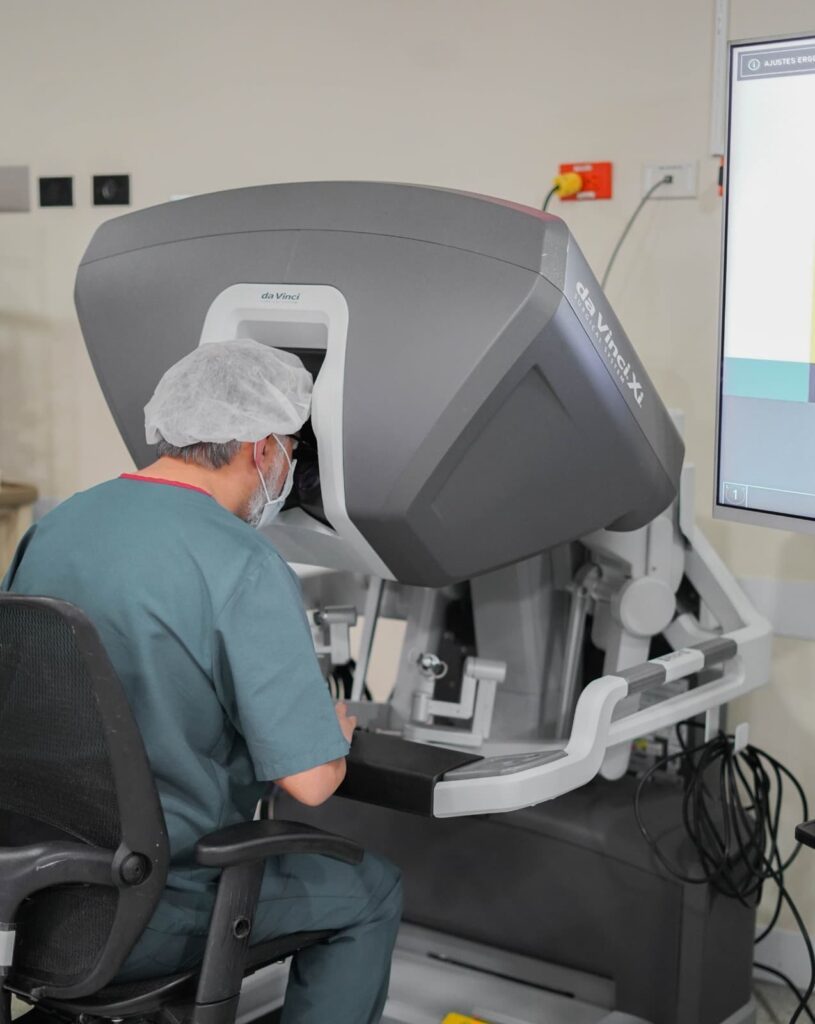
With more than 17 years dedicated to bariatric care, my approach has always been patient-first: I don’t start with a procedure—I start with your diagnosis, your risks, and what will truly protect your health long term. In 2026, that also means offering precision-focused options when they add real value, and yes, my team and I are experienced in robotic bariatric surgery, including strategies that support fewer incisions as part of a minimally invasive, recovery-oriented plan.
You’re not choosing a single surgery day, you’re choosing a structured program, and that’s why Global Obesity Group is built around multidisciplinary follow-up designed to sustain results through nutrition, monitoring, and guidance during the most important first year. And if you’re traveling from abroad, we make the process clear and organized: virtual evaluation, surgical planning, and remote follow-up after you return home—so you feel supported before, during, and after your time in Bogotá. Schedule your virtual consultation or book an evaluation in Bogotá to receive a personalized, medically grounded plan.
Frequently Asked Questions (FAQ)
1) Why is Bariatric Surgery in Colombia such a popular option in 2026?
In 2026, many patients choose Bariatric Surgery in Colombia because they can access experienced surgical teams, high-level clinic standards, and structured follow-up programs—often with more efficient scheduling than in other countries. For international patients, the combination of clinical expertise, organized pathways, and continuity of care (including virtual follow-up) is usually the deciding factor.
2) What factors influence bariatric surgery cost in Colombia?
bariatric surgery cost is shaped by multiple variables, not a single “price tag.” The most common factors include the procedure type (sleeve vs bypass), case complexity, your risk profile and required pre-op optimization, the surgical approach (laparoscopic vs robotic when indicated), the facility and safety standards, and—very importantly—the scope of follow-up included (nutrition, labs, scheduled controls). I encourage patients to compare programs based on what’s included in the medical pathway, not only the surgery day.
3) What are the most common side effects of bariatric surgery?
Most bariatric surgery side effects are related to early adaptation: temporary fatigue, nausea, constipation, and food intolerance if eating is too fast or portions are too large. These are typically manageable with clear guidance, hydration routines, and stepwise diet progression. What matters most is recognizing warning signs—persistent vomiting, inability to tolerate liquids, fever, severe pain, or dehydration symptoms—because those require immediate medical attention.
4) Is there a strict bariatric surgery age limit?
There isn’t a single universal bariatric surgery age limit that applies to every patient in the same way. In clinical practice, age is considered alongside metabolic risk, cardiovascular status, mobility, medication burden, and readiness to follow the program. Some younger patients benefit from timely intervention due to severe metabolic diseases, and some older patients can be candidates if they’re properly evaluated and optimized. The safest decision is always individualized.
5) What are the main bariatric surgery benefits beyond weight loss?
When surgery is properly indicated, bariatric surgery benefits often go far beyond the scale: improved blood sugar control, better blood pressure, reduced sleep apnea symptoms, improved mobility, less joint pain, and higher energy. Many patients also experience meaningful improvements in daily function and quality of life because metabolic inflammation decreases and physical capacity returns.
6) What is robotic bariatric surgery, and who is it for?
Robotic bariatric surgery is minimally invasive surgery performed using a robotic platform that translates the surgeon’s movements into highly controlled, precise actions. It’s not the robot operating on you, it’s the surgeon, using a tool that may improve dexterity and visualization in selected cases. It can be helpful when added precision benefits the surgical plan, but it’s not automatically the best option for everyone. The right approach depends on diagnosis, anatomy, and risk profile.
7) Is robotic bariatric surgery in Colombia safer than laparoscopic surgery?
Robotic bariatric surgery in Colombia can be a strong option when properly indicated and performed by an experienced team, but “safer” is not only about the device. Safety depends on patient selection, standardized protocols, facility quality, and structured follow-up. In many cases, laparoscopic surgery is also an excellent minimally invasive option. The best approach is the one that fits your case medically, not the one with the best marketing.
8) How does robotic bariatric surgery in Bogotá work for international patients?
For international patients considering robotic bariatric surgery in Bogotá, the process usually starts with a virtual consultation to review medical history, goals, risks, and required studies. From there, we create a surgical plan and travel roadmap so your time in Bogotá is efficient and safe. After surgery, continuity matters—so follow-up can continue remotely with structured check-ins, nutrition guidance, and lab monitoring recommendations once you return home.
9) What does bariatric surgery nutrition follow-up typically include?
Bariatric surgery nutrition follow-up is designed to prevent deficiencies, support healing, and build sustainable habits. It typically includes staged nutrition guidance, hydration strategy, protein prioritization, supplement planning, and scheduled lab monitoring to adjust vitamins/minerals based on your results. This is one of the most important elements for feeling well and maintaining results long term.
10) What should I expect from a bariatric surgery diet before and after surgery?
A bariatric surgery diet is usually structured in phases to support healing and tolerance. Before surgery, goals often include improving metabolic stability and practicing hydration and structured eating. After surgery, most programs progress from liquids to soft textures and then to gradual solids—always prioritizing protein, hydration, and careful portioning. Instead of relying on generic meal plans, I recommend following a personalized roadmap from your team, because tolerance and needs vary from patient to patient.