Medical author
Dr. Rubén Luna
Bariatric Surgeon
Global Obesity Group · Bogotá, Colombia
What Can You Never Eat Again After Gastric Bypass? A Clear Guide for Patients
“Will I really have to give up some foods forever after gastric bypass?” This is one of the first questions many patients ask me before surgery, and it is a very human concern. When people search for what can you never eat again after gastric bypass, they are often not just looking for a food list; they are afraid of losing freedom, pleasure, and normality around eating.
From my experience as a bariatric surgeon, I can tell you that life after gastric bypass is not about living with fear of food. It is about understanding how your new digestive system works. Some foods may become difficult to tolerate, some can trigger discomfort or dumping syndrome, and others may affect your long-term weight loss results if they return as daily habits. In this guide, I will explain which foods usually need to be avoided, which ones may be reintroduced carefully depending on your tolerance, and why professional follow-up makes this adaptation safer, clearer, and much more sustainable.
What can you never eat again after gastric bypass? The honest answer patients need
When patients ask me what can you never eat again after gastric bypass, I always explain that the answer is more nuanced than a simple “yes” or “no.” Gastric bypass changes the way food moves through your digestive system, how quickly you feel full, and how your body responds to sugar, fat, and certain textures. That means some foods may need to be avoided long-term, while others may return in small amounts only if your body tolerates them well.
Clinical note:
After gastric bypass, the goal is not to create fear around eating. The goal is to help you understand which foods support your recovery, protect your results, and reduce symptoms such as nausea, discomfort, or dumping syndrome.
It is not only about “forbidden foods”, it is about protecting your new digestive system
After surgery, your stomach pouch is much smaller, and your digestive route is different. Because of that, eating the way you did before surgery can feel uncomfortable or even counterproductive. This is why gastric bypass diet restrictions exist: they are designed to protect your body while it adapts.
In my practice, I prefer to explain it this way: you are not losing the ability to eat; you are learning a new way to eat. Your body will need smaller portions, slower meals, better chewing, more protein, careful hydration, and fewer foods that offer calories without real nutritional value.
Some foods may cause discomfort, dumping syndrome, or weight regain
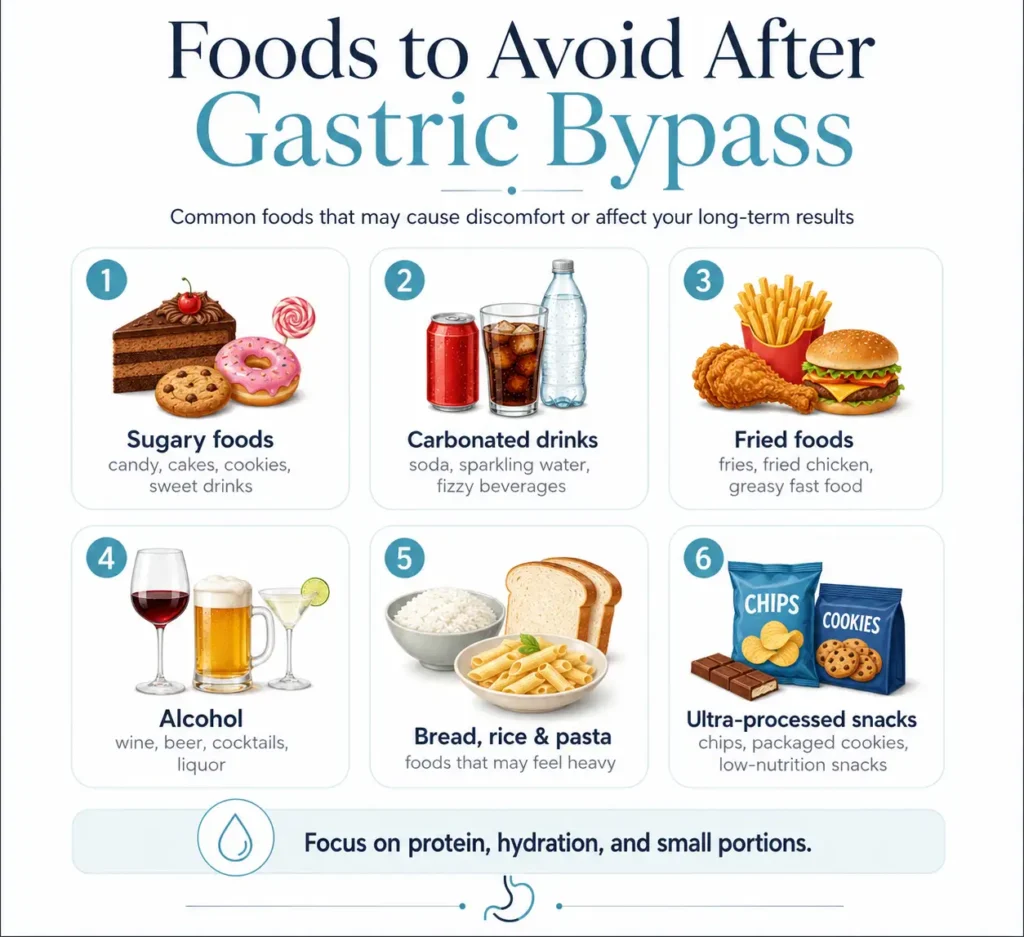
Some foods are especially difficult after gastric bypass because they can move too quickly into the intestine or irritate the digestive system. This is why many patients are advised to limit or avoid foods high in sugar, greasy meals, carbonated drinks, alcohol, and ultra-processed snacks.
These are some of the main reasons we pay close attention to foods that cause dumping syndrome after gastric bypass and other gastric bypass foods you should avoid:
| Food behavior after bypass | What it may cause |
|---|---|
| Eating too much sugar | Dumping syndrome, nausea, sweating, weakness, diarrhea, or cravings |
| Choosing fried or greasy foods | Heaviness, reflux, discomfort, poor tolerance |
| Drinking calories | Less satiety and slower long-term progress |
| Returning to ultra-processed snacks | Higher risk of weight regain |
| Eating too quickly | Pain, vomiting, or feeling overly full |
Your tolerance can change, but your priorities must stay clear
One of the most important things to understand about life after gastric bypass eating is that tolerance can vary from one patient to another. Food that causes discomfort during the first months may be tolerated later in a small portion. Another food may continue to feel heavy or trigger symptoms even after a year.
So, can you ever eat normally after gastric bypass? Yes, but “normal” usually changes. Normally, eating with intention, choosing foods that nourish you, respecting your portions, and understanding that some foods should remain occasional or avoided because they can affect your health and your results.
The priority is always the same: protect your surgery, protect your nutrition, and protect the long-term transformation you worked for.
You may be interested Gastric Sleeve vs. Gastric Bypass: Which One Is Right for You?
Foods to avoid after gastric bypass: what may be hardest for your body to handle
When patients ask me about foods to avoid after gastric bypass, I like to be very clear: this is not about creating fear around food. It is about helping you understand which foods are more likely to cause symptoms, poor tolerance, or difficulty protecting your long-term results. Some of these foods may become occasional in the future for certain patients, but many are the ones I most often recommend approaching with caution.
Quick reminder:
The problem is usually not one single bite. The real issue appears when a difficult food becomes frequent, poorly tolerated, or part of an old eating pattern.
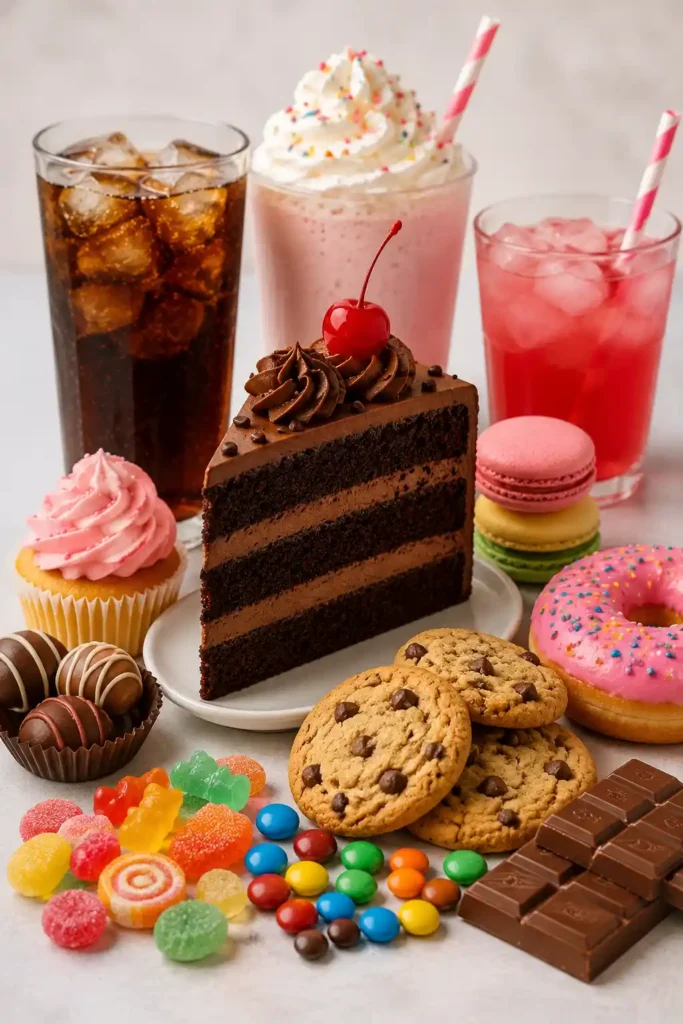
Sugary foods: candy, cakes, cookies, desserts, and sweet drinks
If a patient asks me, can you eat sugar after gastric bypass, my answer is usually: very carefully, and often it is best to avoid it. Sugary foods can pass very quickly into the intestine and trigger symptoms such as nausea, sweating, weakness, diarrhea, shakiness, or a sudden feeling of being unwell. If you wonder what happens if I eat too much sugar after gastric bypass, the short answer is that you may experience dumping syndrome and make your recovery much harder.
What I tell patients to watch for:
- Candy and chocolate bars
- Cakes, cookies, pastries, and desserts
- Sweetened coffee drinks
- Juice, soda, and other sugary beverages
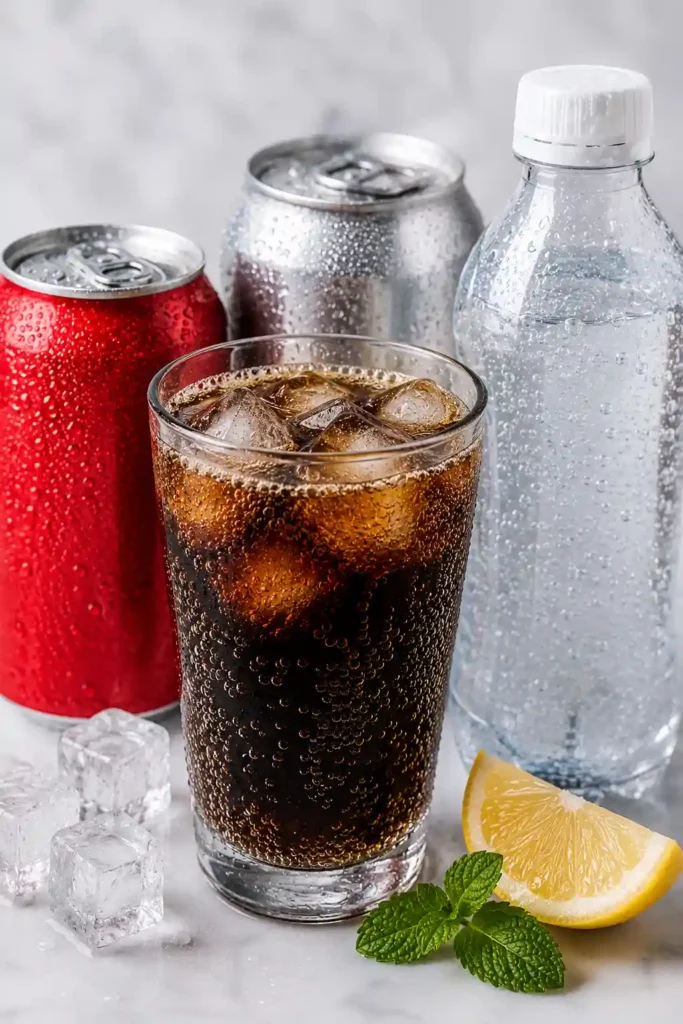
Carbonated drinks: soda, sparkling water, and fizzy beverages
Many patients ask me, “Can you drink soda after gastric bypass?” In most cases, carbonated drinks are not a good fit after surgery. Gas can create pressure, bloating, discomfort, and irritation in a digestive system that is now much more sensitive. Even when the drink has no sugar, carbonated drinks after gastric bypass can still be uncomfortable.
Common problems with fizzy drinks:
- Bloating and pressure
- Discomfort after small sips
- Less room for nutritious foods and hydration
- In sugary versions, a higher risk of dumping symptoms
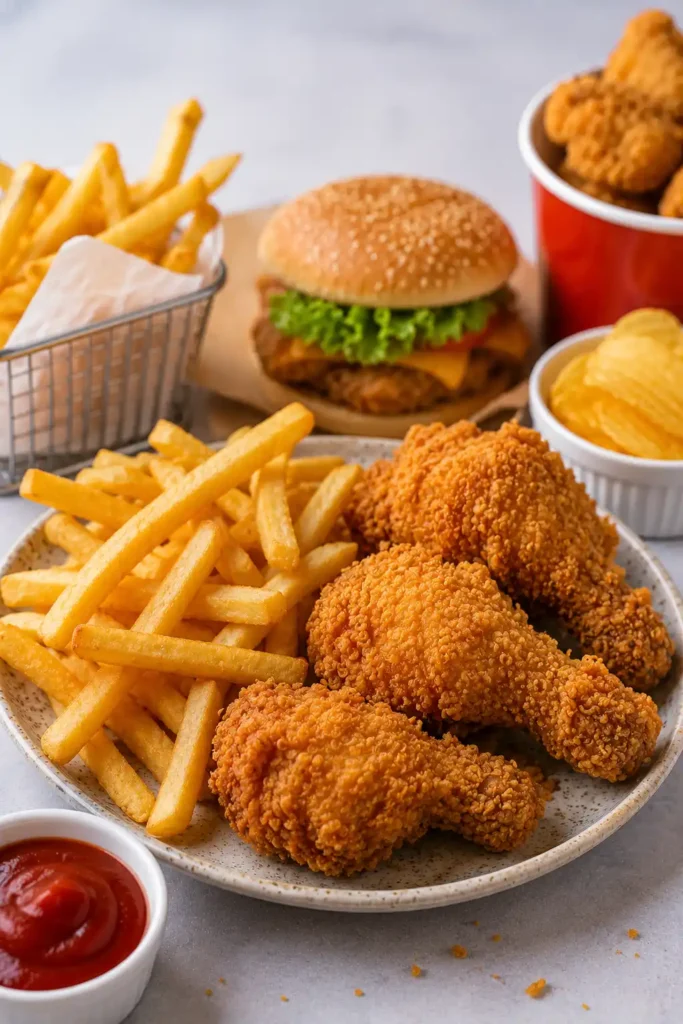
Fried foods: fries, fried chicken, fast food, and greasy snacks
When people ask me, can you eat fried foods after gastric bypass, I explain that fried foods are some of the most common triggers of poor tolerance. They are heavy, greasy, and harder to digest. They can cause nausea, reflux, abdominal discomfort, and a feeling that food is just sitting in the stomach. Examples I usually mention:
- French fries
- Fried chicken
- Fast food
- Greasy packaged snacks
This is one of the most important groups within foods to avoid after gastric bypass, especially during the adaptation period and in patients with sensitive digestion.
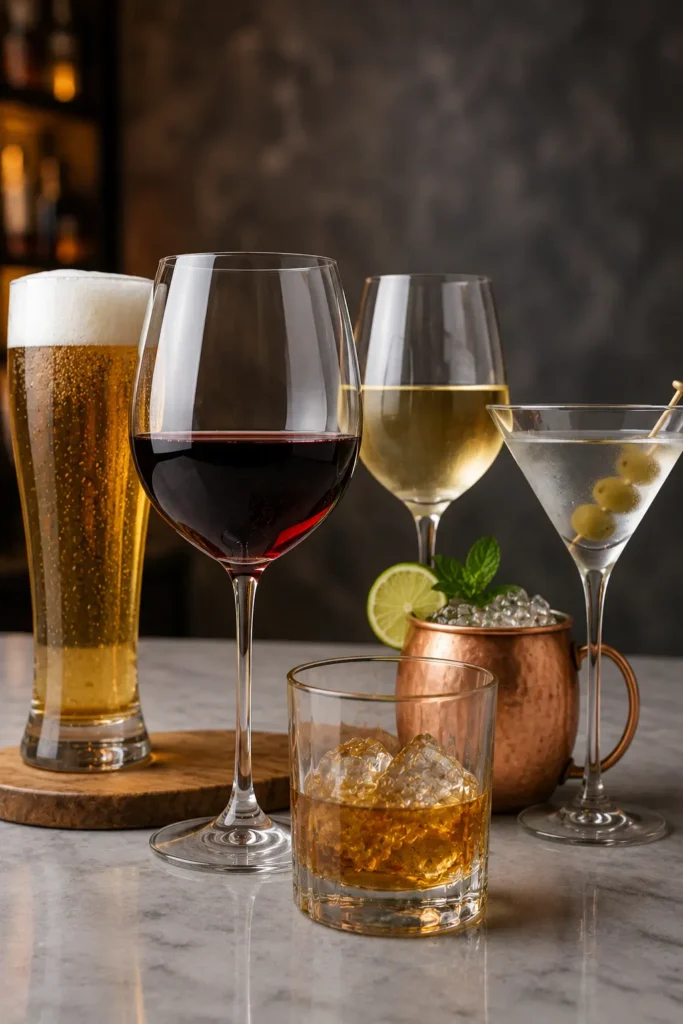
Alcohol: wine, beer, cocktails, and liquor
A very common question is, can you drink alcohol after gastric bypass? My recommendation is to be extremely cautious. After surgery, alcohol can be absorbed more quickly, can affect tolerance differently, and adds calories without offering nutrition. In many patients, alcohol after gastric bypass surgery also becomes easier to consume than solid food, which can make it more deceptive from a behavioral standpoint.
Why I advise caution:
- Faster absorption
- Lower tolerance
- Extra calories with little nutritional value
- Greater risk of replacing healthy habits with liquid calories
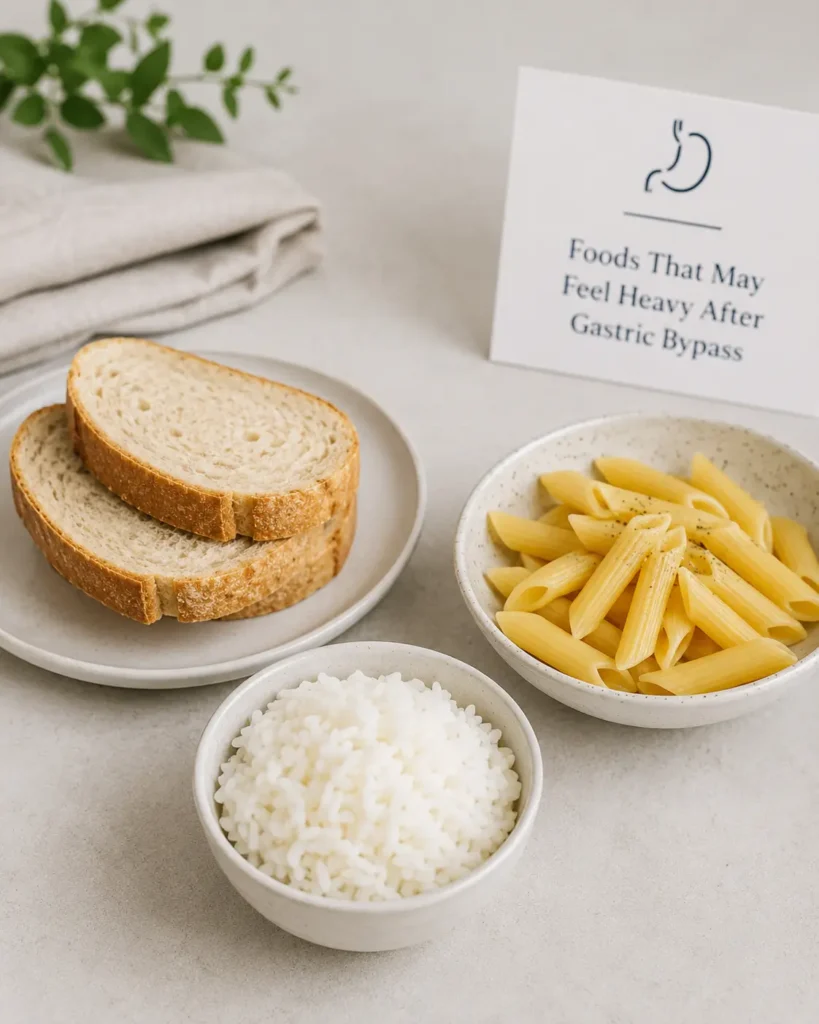
Bread, rice, and pasta: foods that can feel heavy or expand in your stomach
Patients also ask me, can you eat bread after gastric bypass, can you eat rice after gastric bypass, or can you eat pasta after gastric bypass. These foods are not always “forever forbidden,” but they are common examples of foods that may feel heavy, sit poorly, or take the place of protein if introduced too early or eaten too often.
What can happen:
- A heavy or stuck sensation
- Discomfort if not chewed well
- Less space for protein-rich foods
- Easier return to high-carbohydrate habits
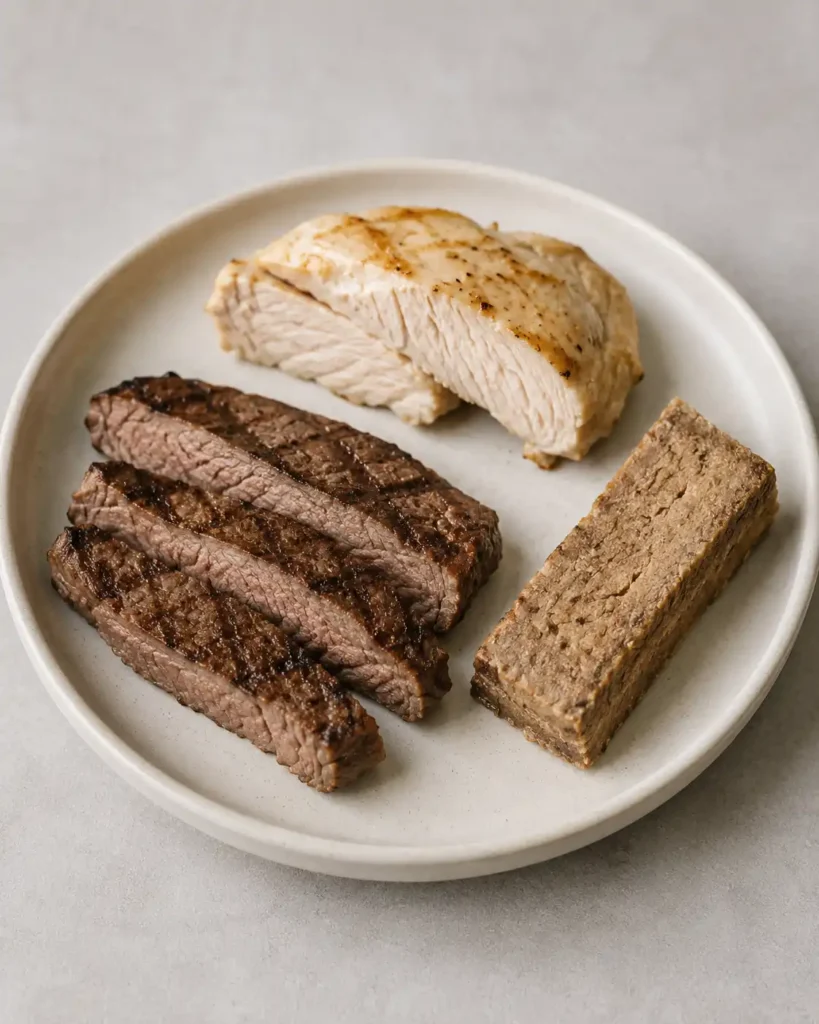
Tough or dry meats: steak, dry chicken, and hard-to-chew proteins
Protein is essential after surgery, but not every protein source is easy to tolerate. Dry chicken, tough steak, and dense meats can be difficult if they are eaten too early, prepared poorly, or not chewed thoroughly. In practical gastric bypass meal guidelines, the texture of the food matters almost as much as the type of food.
What I recommend instead:
- Softer, moist protein sources
- Smaller bites
- Very careful chewing
- Slow eating and early recognition of fullness
Ultra-processed snacks: chips, packaged cookies, and high-calorie foods with little nutrition
Ultra-processed snacks are one of the easiest ways to lose control of quality after surgery. They are usually calorie-dense, easy to overconsume, low in protein, and often high in sugar, fat, or both. When we talk about gastric bypass foods you should avoid, this category matters because it works against satiety, nutrition, and long-term habit change.
Typical examples:
- Chips and crackers
- Packaged cookies
- Sweet snack bars
- Highly processed convenience foods
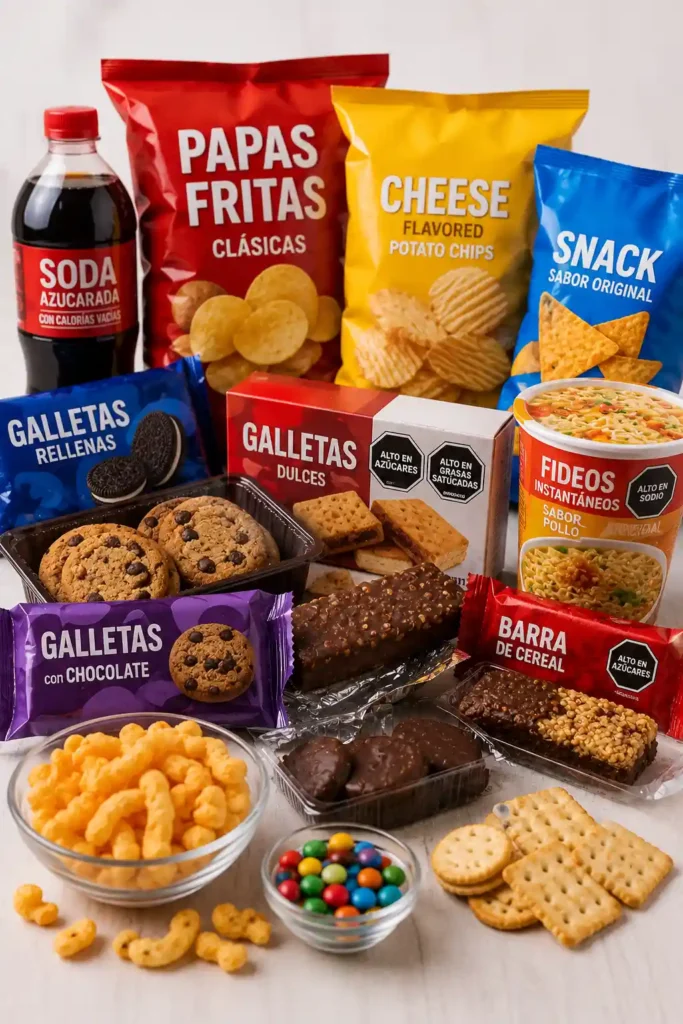
If a patient asks me about the best diet after gastric bypass, I always bring the conversation back to quality: protein first, hydration, vitamins, structure, and foods that truly nourish.
Why these foods can be a problem after gastric bypass
The main reason these foods become difficult is not simply that the surgery makes your stomach smaller. Gastric bypass also changes the way food moves through your digestive system. That is why some foods are tolerated well, while others create symptoms quickly or interfere with long-term weight control.
Dumping syndrome can happen when sugar moves too quickly through your system
One of the clearest examples is foods that cause dumping syndrome after gastric bypass. When refined sugars or very high-glycemic foods pass rapidly into the small intestine, patients may feel sweaty, shaky, nauseated, dizzy, weak, or have diarrhea. This is one of the reasons sugary foods are often at the top of the caution list after bypass.
Clinical takeaway:
If a patient tells me, “I feel terrible after sweets,” I take that seriously. It is often the body giving very direct feedback.
Greasy and heavy foods can make digestion uncomfortable
If you want a practical answer to what not to eat after gastric bypass surgery, greasy and heavy foods are high on the list. Fried foods and very fatty meals tend to feel heavy, may worsen reflux, and can make the digestive process much less comfortable. These are part of the day-to-day reality behind many gastric bypass diet restrictions.
Liquid calories can slow your progress without making you feel full
One of the most underestimated issues after surgery is how easy it is to drink calories. Sweet coffee drinks, juice, soda, alcohol, and other calorie-containing beverages usually do not provide the same fullness as solid, protein-rich foods. That is why they can quietly interfere with gastric bypass nutrition after surgery and move patients away from the best diet after gastric bypass.
Some foods can trigger old eating patterns if they become frequent again
Food after surgery is not only about anatomy. It is also about behavior. In life after gastric bypass eating, certain foods can reactivate emotional eating, snacking, grazing, or frequent intake of low-quality calories. This is one of the reasons I talk openly with patients about gastric bypass foods you should avoid: not because I want perfection, but because I want them to recognize the foods that can slowly pull them away from their goals.
Can you ever eat normally after gastric bypass, or does everything change forever?
This is one of the most emotional questions patients ask me. They are not only asking about food. They are asking whether life will still feel enjoyable, social, and sustainable. My answer is yes: eating can still be enjoyable after bypass, but your definition of “normal” evolves.
Normally eating after bypass looks different, but it can still be enjoyable
If you ask me, can you ever eat normally after gastric bypass, I would say that normal does come back, but it becomes a healthier normal. Most patients are able to enjoy meals again, eat socially, and feel satisfied. The difference is that life after gastric bypass eating works better when meals are smaller, slower, and more intentional.
What “normal” often looks like after recovery:
- Small portions
- Better chewing
- Protein-first meals
- More awareness of fullness
- Fewer impulsive food choices
The goal is not punishment; it is learning what your body can tolerate safely
This is an important mindset shift. The purpose of gastric bypass meal guidelines is not to punish you. The purpose is to help you discover which foods your body handles well and which ones create symptoms or work against your progress. Over time, patients usually gain more confidence because they learn their own tolerance patterns clearly.
Protein, hydration, vitamins, and mindful portions become your new foundation
When I explain the best diet after gastric bypass, I focus on foundations, not on fear. A successful routine after bypass usually includes:
- Protein as the priority
- Good hydration
- Daily vitamin and mineral support
- Mindful portions
- Regular follow-up
This is the core of gastric bypass nutrition after surgery, and it gives patients structure without making eating feel complicated.
A small bite is different from making a risky food part of your routine
One of the healthiest perspectives after surgery is understanding the difference between an occasional taste and a recurring habit. When people ask what foods are off limits after gastric bypass, I explain that context matters. A very small bite at a special moment is different from turning sugar, fried food, soda, or ultra-processed snacks back into part of daily life.
Multidisciplinary support with Dr. Rubén Luna in Bogotá
After gastric bypass in Colombia, you are not expected to figure out your new diet alone. In my experience as a gastric bypass surgeon in Bogotá, one of the most important parts of long-term success is the support patients receive after surgery. Learning how to eat again, how to recognize fullness, how to tolerate different textures, and how to protect your nutrition takes guidance, patience, and a team that understands the emotional and physical changes behind this process.
At Global Obesity Group, we accompany patients before, during, and after surgery with nutrition, medical follow-up, and emotional support. This is especially important for gastric bypass nutrition after surgery, because your body needs structure, protein, hydration, vitamins, and consistent monitoring. For those considering gastric bypass surgery Colombia from abroad, our approach to bariatric surgery for international patients includes personalized planning, remote guidance, and follow-up designed to help you feel supported even after you return home.
Frequently asked questions about what you can eat after gastric bypass
Can I eat watermelon after gastric bypass surgery?
Yes, many patients can eat watermelon after gastric bypass surgery, but it should be introduced carefully and in small portions. Watermelon is soft and hydrating, but it also contains natural sugar, so eating too much may cause discomfort in some patients. I usually recommend prioritizing protein first and adding fruits like watermelon only when your nutrition plan allows it and your body tolerates it well.
What can you never eat again after gastric bypass?
When patients ask what can you never eat again after gastric bypass, I explain that the answer depends on tolerance, habits, and medical follow-up. Some foods may not be “forever forbidden,” but they are usually best avoided long-term because they can trigger symptoms or affect results. These include sugary foods, soda, fried foods, alcohol, ultra-processed snacks, and foods that are hard to chew or digest.
Can I eat sugar after gastric bypass?
You should be very careful with sugar after gastric bypass. Candy, cakes, cookies, desserts, sweet drinks, and other sugary foods can move quickly into the intestine and may trigger dumping syndrome. This is why can you eat sugar after gastric bypass is one of the most important questions to discuss with your bariatric team. In general, sugar should be limited as much as possible, especially during recovery and while building long-term habits.
What happens if I eat too much sugar after gastric bypass?
If you eat too much sugar after gastric bypass, you may experience symptoms such as nausea, sweating, weakness, diarrhea, dizziness, abdominal discomfort, or intense fatigue. These symptoms can be related to dumping syndrome. From my experience, this is one of the clearest ways your body tells you that a food is not well tolerated after surgery.
Can I drink soda after gastric bypass?
In most cases, I recommend avoiding soda after gastric bypass. Carbonated drinks can cause bloating, pressure, gas, and discomfort in a smaller stomach pouch. Sugary sodas also increase the risk of dumping symptoms and add calories without real nutrition. Even sparkling water may feel uncomfortable for some patients, especially during the first stages of recovery.
Can I eat bread after gastric bypass?
Bread can be difficult to tolerate after gastric bypass because it may feel heavy, expand in the stomach pouch, or create a stuck sensation if it is not chewed very well. Some patients may tolerate very small amounts later, but bread should not replace protein-rich foods. The priority after surgery is always protein, hydration, vitamins, and foods that support healing and long-term weight control.
Can I eat rice or pasta after gastric bypass?
Rice and pasta are common foods that can feel heavy after gastric bypass. They may also take up space that should be used for protein and nutrient-dense foods. Some patients tolerate small portions later in the process, while others continue to feel discomfort. If rice or pasta returns to the diet, it should be occasional, well portioned, and guided by your nutrition plan.
Can I eat fried foods after gastric bypass?
Fried foods are usually among the main foods to avoid after gastric bypass. French fries, fried chicken, fast food, and greasy snacks can cause nausea, reflux, heaviness, or poor digestion. They are also calorie-dense and can interfere with long-term results if they become frequent again.
Can I drink alcohol after gastric bypass surgery?
Alcohol after gastric bypass surgery requires special caution. After surgery, alcohol may be absorbed faster, tolerance can change, and liquid calories can affect weight loss progress. Alcohol also provides calories without nutrition and may increase the risk of returning to unhealthy habits. If a patient considers drinking alcohol later, it should always be discussed with the bariatric team first.
Can you ever eat normally after gastric bypass?
Yes, many patients can enjoy eating again after gastric bypass, but “normal” usually changes. Meals become smaller, slower, more intentional, and focused on nutrition. In life after gastric bypass eating, the goal is not to fear food; it is to understand your new digestive system, recognize your tolerance, and build a routine that protects your health, your energy, and your long-term results.
References
Medical notice: This article is for educational and informational purposes only. It does not replace a personalized medical evaluation. The answer to what can you never eat again after gastric bypass may vary depending on each patient’s tolerance, nutritional status, medical history, and stage of recovery. After gastric bypass surgery, foods such as sugar, fried foods, carbonated drinks, alcohol, bread, rice, pasta, and ultra-processed snacks should be discussed with a bariatric team before being reintroduced. Dr. Rubén Luna and Global Obesity Group provide individualized guidance to help each patient adapt safely to life after surgery.