

MEDICAL AUTHOR
Dr. Rubén Luna
Bariatric Surgeon
Global Obesity Group · Bogotá, Colombia
Do I Qualify for Weight Loss Surgery? Take the Quiz
If you have searched for a “do I qualify for weight loss surgery quiz,” you are probably looking for a clearer answer about whether bariatric surgery could make sense for your situation.
I understand that question. Many of my patients come to their first consultation wondering whether their BMI is high enough, whether a medical condition changes their options, or whether previous attempts to lose weight matter.
That is why I created this short self-assessment.
This quiz is educational only. It does not diagnose obesity, confirm that you qualify for bariatric surgery, recommend a specific procedure, or replace a medical consultation. Your answers can help you understand whether a bariatric evaluation may be a reasonable next step, but the final decision must always be made after reviewing your health, medical history, weight-loss history and personal needs.
The assessment is intended for adults. If you are under 18, bariatric treatment requires a specialized evaluation.
Do I Qualify for Weight Loss Surgery? Quiz
If you are wondering whether bariatric surgery could be an option for you, this short assessment can help you identify some of the factors I usually review during an initial evaluation. Your answers will not confirm whether you qualify for surgery, but they can help you understand whether it may be worth discussing your case with a bariatric specialist.
Could Bariatric Surgery Be Worth Discussing?
Answer 10 quick questions about your weight, health and weight-loss history to see whether a bariatric evaluation may be worth considering.
What Does It Really Mean to Qualify for Weight Loss Surgery?
When a patient asks me, “Do I qualify for weight loss surgery?”, I do not answer based on one number alone.
BMI is important, but I also need to understand your medical history, whether obesity is affecting your health, what treatments you have already tried, whether you have conditions associated with obesity and whether there are factors that need to be addressed before surgery.
Current ASMBS/IFSO recommendations state that metabolic and bariatric surgery is recommended for people with a BMI of 35 kg/m² or higher, regardless of whether obesity-related conditions are present. They also indicate that surgery should be considered in selected people with a BMI between 30 and 34.9 kg/m², particularly when metabolic disease is present or substantial and durable weight loss has not been achieved with nonsurgical treatment.
Other healthcare systems and insurance companies may use different criteria. That is why a website quiz cannot—and should not—make the final decision for you.
BMI Matters, but It Does Not Tell Me Your Whole Story
BMI gives me a useful starting point because it relates your weight to your height. What it cannot tell me is how obesity is affecting your individual health.
Two people with the same BMI may need very different treatment plans.
When I evaluate a patient, I may also consider conditions such as type 2 diabetes, high blood pressure, obstructive sleep apnea, heart disease, unhealthy cholesterol levels, fatty liver disease and joint problems, among other factors. Obesity treatment and bariatric surgery can also improve several obesity-related health conditions in appropriately selected patients.
This is why I prefer to look at the person behind the number.
Still wondering if bariatric surgery could be right for you?
A personalized evaluation can help determine whether surgery is appropriate for your health, needs and weight-loss goals.
Schedule Your Bariatric EvaluationDo I Need to Have Tried Every Diet Before Considering Bariatric Surgery?
No.
I do want to understand your weight-loss history, but I do not see previous attempts as a test of willpower.
Obesity is a chronic and complex disease. Some people lose weight and regain it repeatedly. Others have followed nutritional programs, exercised, used medication or received medical treatment without obtaining a result they can maintain.
That information helps me understand your situation and discuss which treatment options make sense for you.
Current recommendations have also moved away from the idea that bariatric surgery should only be considered after a person has “failed everything else.” The decision should instead be based on an individualized assessment of obesity severity, health risks, previous treatment and expected benefits.
Why Do I Ask About Your Readiness for Long-Term Follow-Up?
Because bariatric surgery does not end when you leave the operating room.
Nutrition, physical activity, medical follow-up, laboratory testing and, when indicated, vitamin and mineral supplementation become part of long-term care. NIDDK patient guidance specifically highlights the importance of understanding these changes and being prepared for continued medical follow-up after surgery.
That does not mean you have to arrive at your first appointment already knowing how to manage everything.
Part of my job—and the job of my multidisciplinary team—is to prepare you.
If you are unsure about what you will be able to eat, how your lifestyle will change, whether you will need supplements or what follow-up looks like, those are precisely the questions we should discuss before making a decision.
What Happens During a Bariatric Evaluation With Me?

Your quiz result is only the beginning.
During your evaluation, I review your BMI, weight history, previous treatments, current medications, obesity-related diseases, previous surgeries and general medical condition. Depending on your case, I may request additional tests or evaluations before determining whether surgery is appropriate.
I also want to understand what you expect from treatment.
My goal is not simply to tell you whether you can have an operation. I want to determine which strategy gives you the best opportunity to improve your health over the long term.
Sometimes surgery is appropriate. In other situations, I may recommend medical weight management first. And if surgery is considered, the next question becomes which procedure is best suited to your anatomy, medical conditions and long-term needs.
The right procedure depends on your individual case
Qualifying for bariatric surgery does not automatically mean that one procedure is right for everyone. I choose the surgical approach only after evaluating several factors together.
It should never tell you “You need a gastric sleeve” or “A gastric bypass is the right surgery for you.” That decision requires a complete medical evaluation.
What About Robotic Bariatric Surgery?
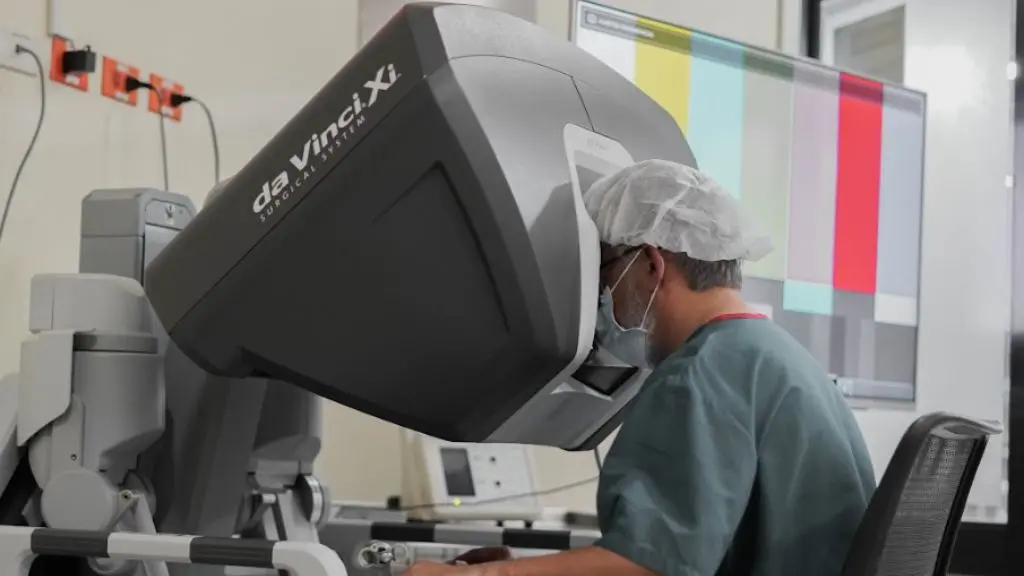
Once I have determined that bariatric surgery is medically appropriate, we can then discuss how the procedure will be performed.
I am trained in robotic bariatric surgery with the Da Vinci Xi system, and in selected patients I perform bariatric procedures using a technique with only three abdominal incisions.
The objective is to combine a minimally invasive approach with the precision and range of motion offered by robotic technology while reducing the number of abdominal access points.
For appropriately selected patients, fewer and smaller incisions may contribute to less postoperative discomfort, smaller scars and a faster recovery compared with more invasive surgical approaches, although each person’s recovery is different and no technique eliminates surgical risks.
The important point is that robotic surgery is not what determines whether you qualify.
First I determine whether surgery is appropriate for you. Then we determine the safest and most suitable way to perform it.
My current practice includes laparoscopic and robotic bariatric surgery, and I perform procedures in recognized hospitals in Bogotá. My professional profile also includes more than two decades of bariatric experience and thousands of patients treated.
Bariatric Surgery Is More Than the Operation

One of the biggest mistakes I see is thinking about bariatric surgery as an isolated event.
I approach obesity differently.
Through Global Obesity Group, my patients receive multidisciplinary care that may involve nutrition, psychology, endocrinology, physical activity and other specialties depending on their needs.
Our follow-up continues during the first year after surgery because that period is essential for adapting to new eating patterns, protecting nutritional health, maintaining muscle mass, building sustainable habits and identifying difficulties early.
The current Dr. Rubén Luna program describes this multidisciplinary support as part of the process before surgery and throughout the year following the procedure.
What If I Live in the United States or Another Country?
You do not need to travel to Bogotá just to find out whether bariatric treatment may be appropriate for you.
I can begin the evaluation through a virtual consultation, including consultations in English when needed. We can review your medical history, weight, previous treatments and available records before planning your trip.
For international patients who eventually travel to Bogotá for surgery, my team can also help coordinate different aspects of the process. Our current international-patient program includes support with preoperative planning, an allied hotel option in Bogotá and remote multidisciplinary follow-up after the patient returns home. A recent patient guide recommends planning roughly 10 to 14 days in Colombia in many cases, although the appropriate stay depends on the individual patient’s recovery and medical circumstances.
Your follow-up does not disappear when you board the plane home. Virtual appointments allow my team and me to continue monitoring your progress during your adaptation after surgery.
What is this weight loss surgery quiz based on?
I designed this self-assessment around factors commonly reviewed during an initial bariatric evaluation. It is intended to help you understand whether discussing your case with a bariatric specialist may be a reasonable next step.
It looks at several factors together rather than relying on one answer alone.
The questions are informed by current bariatric surgery recommendations from organizations such as ASMBS and IFSO, together with patient guidance from the U.S. National Institute of Diabetes and Digestive and Kidney Diseases.
Your result can help identify whether a professional bariatric evaluation may be worth considering. A complete medical assessment is still required before any treatment decision is made.
The quiz cannot confirm that you qualify for bariatric surgery, determine which procedure is best for you, or replace an individualized medical evaluation.
This quiz evaluates medical factors, not insurance eligibility. Insurance companies may use their own BMI requirements, documentation rules and authorization criteria. If you are considering traveling to Colombia for bariatric treatment, I can review your case and explain the available options, process and costs during your consultation.
What Should I Do After Taking the Quiz?
Regardless of the result you received, try not to interpret it as a final yes or no.
If your result suggests that a bariatric surgery evaluation may be worth considering, the next step is to confirm those factors through a professional assessment.
If the result says that more information is needed, that is equally useful. It may mean we need to understand your health, weight history or previous treatments in greater detail before discussing surgery.
And if bariatric surgery is not the best option for you right now, that does not mean there are no treatment alternatives.
My priority is to identify the approach that makes the most sense for your health, not to fit every patient into the same treatment.
Your Quiz Is a First Step. Your Evaluation Gives Us the Real Answer.

Searching for a do I qualify for weight loss surgery quiz can help you organize your questions and better understand some of the factors that matter.
But your health deserves more than an algorithm.
During a consultation, I can review your complete history, understand what you have experienced with your weight and determine whether bariatric surgery—or another obesity treatment—may be appropriate for you.
If surgery becomes part of that plan, we will also discuss which procedure and surgical approach best fit your individual case.
Schedule your bariatric evaluation with me, Dr. Rubén Luna, and let’s review your case personally.
Frequently Asked Questions About Qualifying for Weight Loss Surgery
How do I know if I qualify for weight loss surgery?
The first step is to look at several factors together, not just your weight. When I evaluate a patient, I consider BMI, obesity-related health conditions, previous weight-loss attempts, medical history and how excess weight is affecting daily life and overall health.
An online do I qualify for weight loss surgery quiz can help you identify some of these factors, but it cannot confirm candidacy. I can only determine whether bariatric surgery is appropriate after completing an individualized medical evaluation.
What BMI do I need for weight loss surgery?
BMI is one of the main factors I consider, but it is not the only one. Bariatric surgery is commonly considered for patients with a BMI of 35 or higher, and it may also be considered in selected patients with a BMI between 30 and 34.9, particularly when obesity-related medical conditions or persistent difficulty achieving durable weight loss are present.
Your BMI gives me a starting point. Your complete health history helps me understand the rest.
Can I qualify for bariatric surgery with a BMI under 35?
Possibly.
A BMI below 35 does not automatically mean bariatric surgery is excluded. In some patients with a BMI between 30 and 34.9, factors such as type 2 diabetes, metabolic disease, obesity-related health problems or unsuccessful long-term weight management may make a bariatric evaluation appropriate.
I need to review your individual case before determining whether surgery should be considered.
Do I need to have diabetes or another medical condition to qualify?
Not necessarily.
Some patients who are candidates for bariatric surgery have conditions such as type 2 diabetes, high blood pressure or sleep apnea, while others may not have a diagnosed obesity-related disease.
The presence of these conditions can influence the evaluation, but they are not the only factor I consider. BMI, weight history, previous treatments and your overall health also matter.
Do I have to try dieting before I can have weight loss surgery?
I do want to understand what you have already tried, but bariatric surgery should not be viewed as a reward for “failing” enough diets.
Many of my patients have spent years losing and regaining weight through diets, exercise programs or other treatments. Obesity is a chronic disease, and difficulty maintaining weight loss is not simply a matter of discipline.
Your previous experience helps me understand your case and determine which treatment approach may be appropriate.
Can a medical condition prevent me from having bariatric surgery?
Some medical conditions may mean that surgery needs to be delayed, further evaluated or planned differently, but they do not always mean that bariatric surgery is permanently ruled out.
For example, I may need another specialist to participate in your evaluation, request additional studies or make sure a condition is properly controlled before surgery.
That is why I prefer not to label a patient as “eligible” or “not eligible” based on a single diagnosis.
Does passing this weight loss surgery quiz mean I am a candidate?
No.
The quiz is designed to help you recognize factors that may make a bariatric surgery evaluation worth considering. It is not a diagnostic test and it cannot confirm that you qualify.
Even when your answers strongly suggest that bariatric surgery could be discussed, I still need to review your medical history, medications, previous treatments, nutritional status and other individual factors before recommending surgery.
What happens if my quiz result says I may qualify for weight loss surgery?
The next step is a professional bariatric evaluation.
During your consultation with me, I can review your health history in detail, confirm your BMI, discuss obesity-related conditions, understand your previous weight-loss experience and determine whether surgery may be appropriate.
If surgery is considered, we can then discuss whether options such as gastric sleeve, gastric bypass or another bariatric approach could fit your case, as well as whether a minimally invasive robotic technique may be suitable.
The goal is not simply to confirm whether you “qualify.” It is to determine which treatment makes the most sense for your health and your long-term goals.