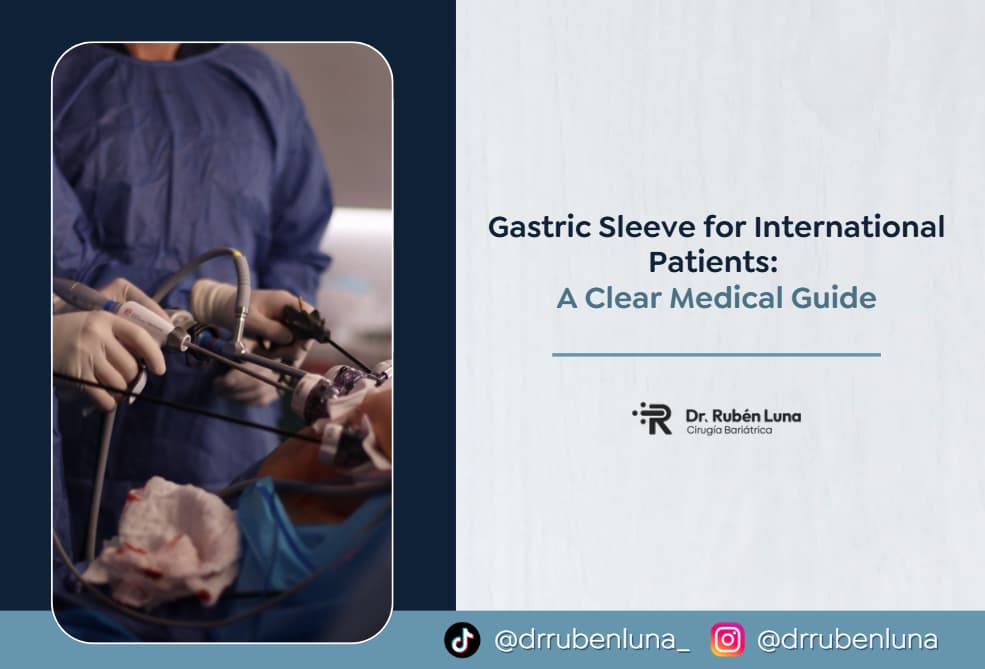
Gastric Sleeve for International Patients: A Clear Medical Guide
If you have been searching for answers about gastric sleeve, you are probably looking for much more than a way to lose weight. In my experience as a bariatric surgeon, obesity is not simply a cosmetic concern; it is a chronic medical condition that can affect your energy, mobility, metabolism, confidence, and long-term health. That is why gastric sleeve surgery has become one of the most effective options for patients who need a structured, medically guided treatment rather than another temporary solution.
Many of my international patients begin with the same question: Is it safe? What is the cost? How long is recovery? What kind of results are truly realistic? In this guide, I will walk you through these answers from my perspective as a bariatric surgeon in Colombia, where expert care, advanced surgical technology, pre-travel planning, and long-term follow-up can all come together in one process. Just as importantly, lasting results do not depend on surgery alone but on the multidisciplinary support that surrounds the patient before and after the procedure.
What is a gastric sleeve, and how does it work?
When I talk to patients about gastric sleeve, I always begin with the same point: this is not just about making the stomach smaller. It is a medical procedure designed to help treat obesity in a more effective and structured way. In a gastric sleeve, a large portion of the stomach is removed, leaving a narrow, sleeve-shaped pouch. As a result, patients can eat less and feel full sooner, which supports weight loss in a more controlled and sustainable way.
Just as importantly, this procedure is not meant to work in isolation. In my experience, the best outcomes happen when surgery is part of a complete treatment plan that includes proper evaluation, preparation, and long-term follow-up. That is what allows gastric sleeve surgery to become more than a procedure; it becomes the beginning of a real health transformation.
What happens during gastric sleeve surgery?
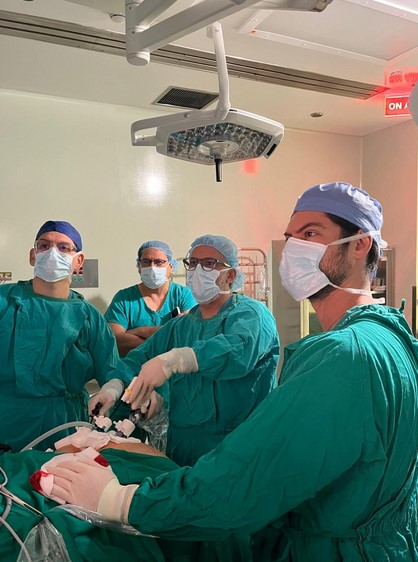
During gastric sleeve surgery, I reduce the size of my stomach and reshape it into a much smaller, tube-like pouch. Since the stomach can now hold much less food, patients usually feel satisfied with smaller portions. This helps create an important shift in the way they eat after surgery.
However, the procedure is not simply restrictive. It also supports a broader metabolic change that can help patients move away from the cycle of constant hunger, large portions, and unsuccessful diets. In other words, surgery creates a physical and medical tool that makes it easier for the patient to follow a healthier path, especially when it is combined with structured, multidisciplinary support.
How is gastric sleeve different from other bariatric procedures?
Many patients ask me how gastric sleeve compares with gastric bypass and other bariatric procedures. I usually explain it in simple terms: the sleeve focuses on reducing the size of the stomach, while gastric bypass not only reduces stomach capacity but also changes the digestive route. Both can be highly effective, but they are not identical, and they are not recommended for the same reasons in every case.
That is why choosing the right procedure should never be based on trends, social media, or someone else’s experience alone. The best option depends on a thorough medical evaluation. I look at each patient’s health condition, eating patterns, weight history, metabolic profile, and long-term goals before recommending the most appropriate approach.
Why does gastric sleeve remain one of the most popular bariatric procedures?
There is a reason why gastric sleeve continues to be one of the most requested bariatric procedures worldwide. It offers a strong balance between effectiveness, a minimally invasive approach, and meaningful long-term health benefits. For many patients, it can provide substantial weight loss while also supporting improvement in obesity-related conditions and overall quality of life.
From my perspective, its popularity is not just about demand. It is about results. When the indication is correct, the surgery is performed with expertise, and the patient receives the right support before and after the procedure, gastric sleeve surgery can be a highly effective step toward lasting health improvement. That is why it remains such an important option in modern bariatric care.
You may be interested Understanding Gastric Sleeve Cost: A Medical Comparison Between Colombia and the USA
Who is a good candidate for gastric sleeve surgery?
One of the most important questions I hear from patients is this: “Am I a good candidate for gastric sleeve surgery?” The answer is never based on weight alone. In my practice, I evaluate the whole person, not just the number on the scale. Obesity is a chronic medical condition, and surgery becomes an option when the excess weight is affecting health, quality of life, or both, and when a structured medical solution is needed.
At the same time, not every patient with obesity needs the same treatment. That is why candidacy must be defined through a proper medical evaluation. The goal is not simply to determine whether surgery is possible, but whether it is the right and safest step for that specific patient.
Bmi, obesity-related conditions, and medical eligibility
In general terms, candidacy for gastric sleeve surgery often begins with body mass index, or BMI, but that is only one part of the picture. I also look closely at whether the patient is living with obesity-related conditions such as type 2 diabetes, high blood pressure, sleep apnea, joint pain, fatty liver disease, or reduced mobility. These conditions can be strong indicators that obesity is already having a significant impact on overall health.
That said, I do not approach these conditions in an alarmist way. Instead, I explain to patients that they help me understand how urgently we need to act and how much a well-planned bariatric treatment could improve their health. In many cases, the conversation is not just about losing weight. It is about reducing risk, improving metabolic health, and helping the patient regain control over daily life.
Why do previous weight-loss attempts matter before surgery?
Before recommending surgery, I also want to understand what the patient has already tried. Most people who come to me for gastric sleeve have spent years trying to lose weight through diets, exercise plans, medications, or temporary programs, often with short-term results followed by regain. This history matters because it helps show whether the body and the disease process are already resisting conventional strategies.
For that reason, I always explain that surgery is not a shortcut. It is not the “easy way out,” and it should never be presented that way. Instead, it is part of a comprehensive obesity treatment plan. In the right patient, surgery becomes a medical tool that can finally support the kind of long-term change that repeated attempts alone have not been able to achieve.
Why is multidisciplinary evaluation essential before gastric sleeve surgery?
In my experience, one of the biggest mistakes in bariatric care is to think that surgery alone is enough. It is not. A safe and successful gastric sleeve surgery begins long before the day of the procedure. That is why multidisciplinary evaluation is essential. As the surgeon, I assess medical and surgical indication, but that is only one part of the process.
Patients also benefit from nutritional evaluation, psychological support, and medical screening before surgery. Nutrition helps us prepare the patient for the dietary changes that will come before and after the operation. Psychological evaluation helps us understand habits, emotional patterns, expectations, and readiness for change. Medical screening allows us to identify risks early and optimize safety. When all these elements work together, the patient arrives at surgery better prepared, better informed, and better supported.
This is exactly why I believe so strongly in a multidisciplinary model of care. The best bariatric outcomes do not come from a procedure performed in isolation. They come from a coordinated process in which the patient is supported before surgery, guided through recovery, and followed closely over time.
Benefits of gastric sleeve surgery beyond weight loss
When people first hear about gastric sleeve surgery, they often think only about the number on the scale. However, in my experience, the true value of this procedure goes far beyond weight loss alone. For many patients, the most meaningful changes happen in the way they feel, move, sleep, and live. That is why I always explain that the goal is not simply to look different, but to become healthier, more functional, and more confident in daily life.
In other words, gastric sleeve is not just about body image. It is about treating obesity as a medical condition and helping patients regain control over aspects of life that excess weight may have gradually limited over time.
How can gastric sleeve improve health and daily function?
One of the most rewarding parts of my work is seeing how patients begin to recover parts of their lives that obesity had made more difficult. While every case is different, many patients notice improvements in everyday function as they move through the post-operative process.
These changes may include:
- More energy throughout the day.
- Greater ease when walking, climbing stairs, or being physically active.
- Better sleep quality.
- Less physical discomfort during routine activities.
- More confidence in social, personal, and professional settings.
- A stronger sense of independence in daily life.
For many people, these improvements are just as important as the weight loss itself. In fact, some patients tell me that the biggest change is not what they see in the mirror, but how much better they feel in their own body.
What metabolic and medical benefits can be expected after gastric sleeve surgery?
Beyond physical appearance, gastric sleeve surgery can also support meaningful improvement in health conditions related to obesity. Depending on the patient, this may include better control of type 2 diabetes, high blood pressure, sleep apnea, joint pain, fatty liver disease, and other metabolic problems that often worsen over time when obesity is left untreated.
That said, I always prefer to keep expectations realistic and medically grounded. Surgery is a powerful tool, but it is not magic. Not every condition disappears completely, and not every patient experiences the same rate of improvement. What I explain to patients is this: the procedure can create a strong opportunity for the body to function better, but long-term health outcomes still depend on proper follow-up and commitment after surgery.
To put it simply, the potential benefits often include:
- Better metabolic control.
- Lower strain on the joints and body.
- Improved sleep and breathing.
- Better physical endurance.
- A reduced health burden associated with obesity over time.
This is why I do not present gastric sleeves as an aesthetic procedure. I present it as a medical intervention that can positively change the course of a patient’s health.
Why does long-Term success depend on more than the 0peration itself?
This is one of the most important conversations I have with patients. Surgery can be the turning point, but it is not the whole journey. Long-term success depends on what happens after the operation just as much as on the procedure itself.
For a patient to do well over time, several elements need to work together:
- Adherence to medical recommendations.
- Proper follow-up with the bariatric team.
- A well-guided progression through each dietary stage.
- Emotional support and psychological adaptation.
- Real habit change in everyday life.
This is exactly why I insist on a multidisciplinary approach. Successful gastric sleeve surgery is not only about what I do in the operating room. It is also about how the patient is supported afterward, how nutrition is adjusted, how expectations are managed, and how new habits are built in a sustainable way.
Ultimately, the patients who do best are not simply the ones who undergo surgery. They are the ones who understand that surgery is the beginning of a broader process of transformation, guided by structure, consistency, and support.
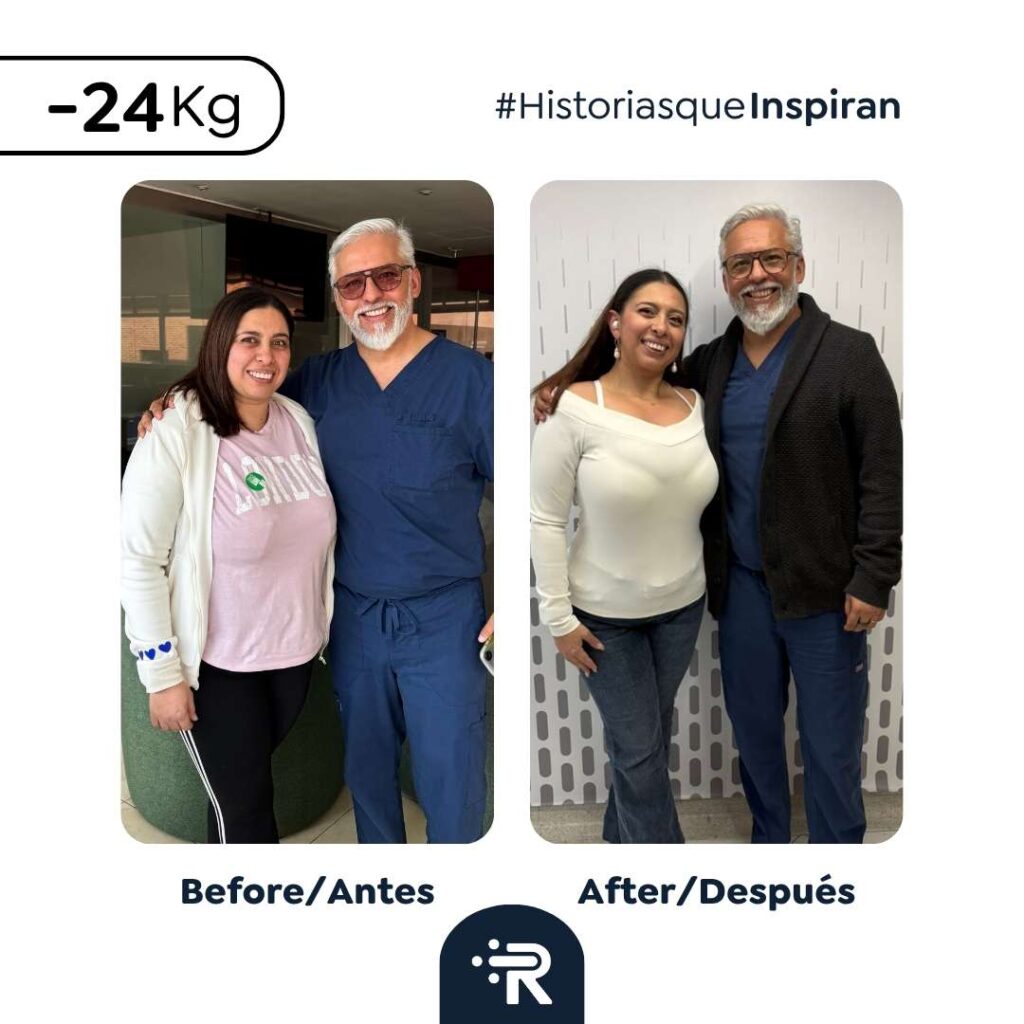
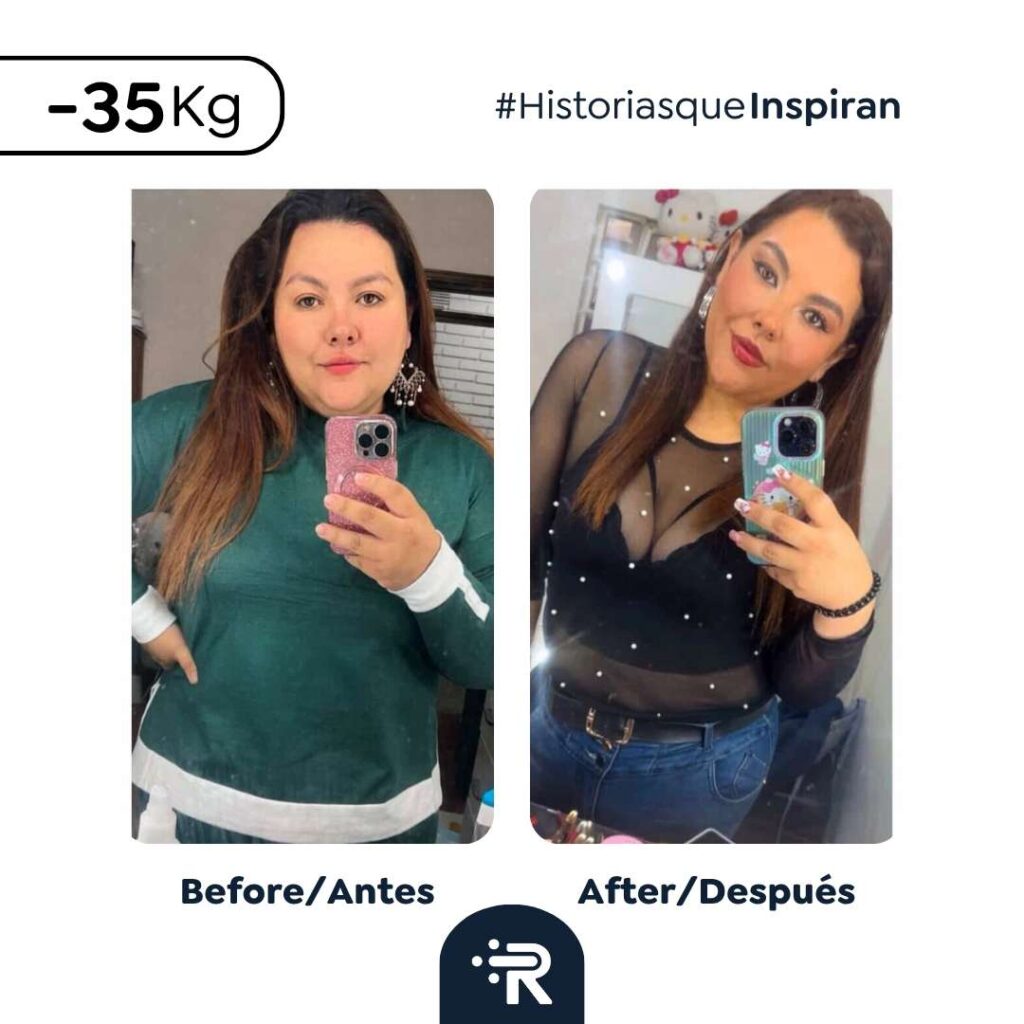
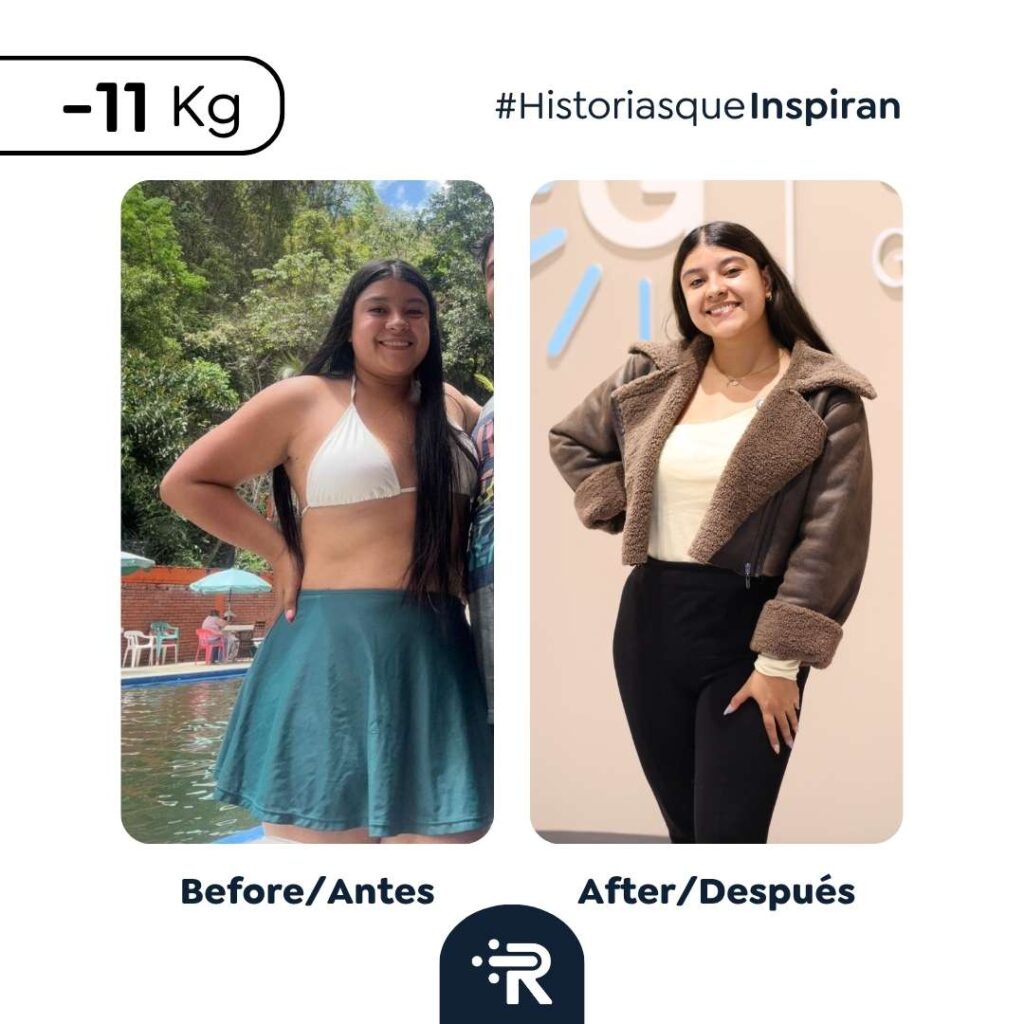
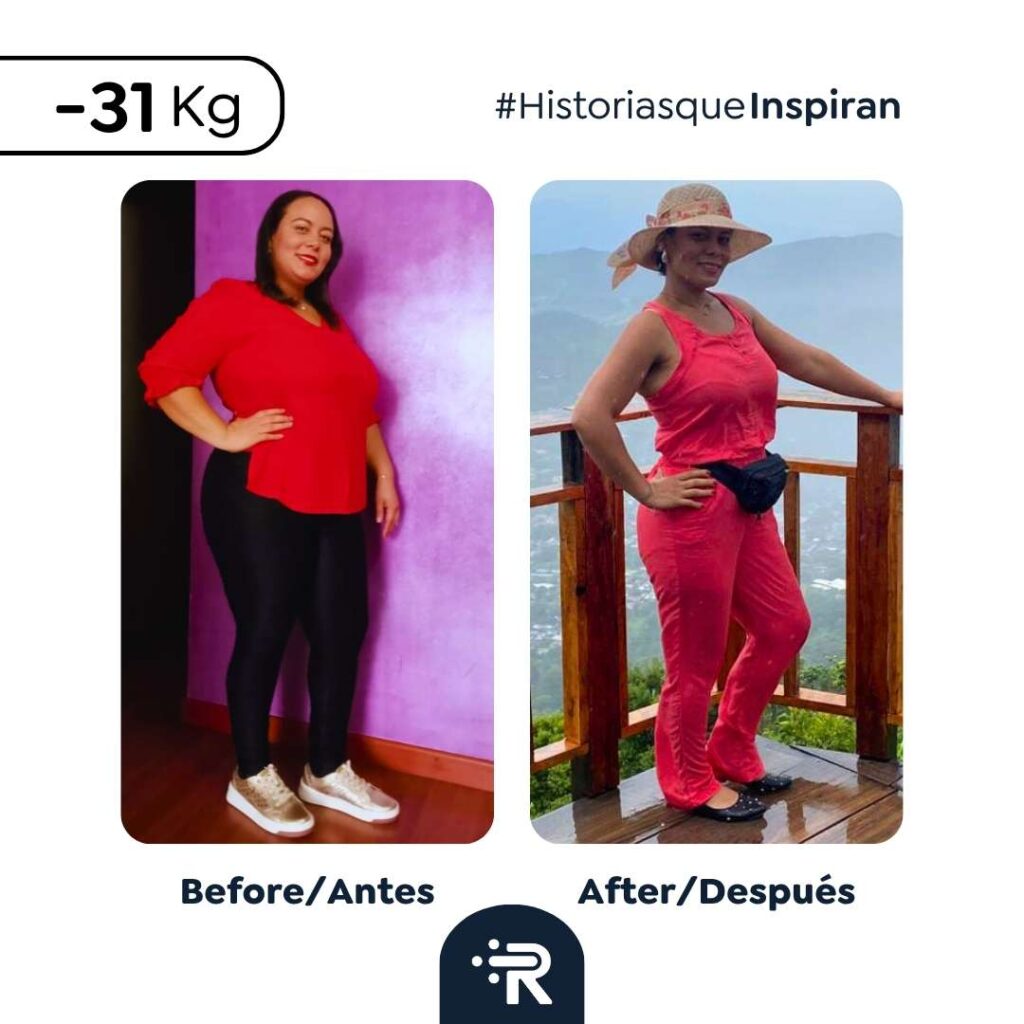
Gastric sleeve before and after: what changes can patients realistically expect?
When patients search for gastric sleeve before and after, they are often looking for visible transformation. That is understandable. However, in my experience, the most important changes begin long before the first photo and continue far beyond the first few months after surgery. A true before-and-after story is not only about body shape. It is also about preparation, recovery, health improvement, and the way a patient begins to live differently over time.
That is why I always encourage patients to think about this process in realistic terms. The goal is not to chase a dramatic image, but to understand how the body, habits, and overall health evolve before and after the procedure.
What changes before surgery?
The “before” phase of gastric sleeve surgery is much more important than many people realize. Good preparation helps improve safety, reduce risk, and create a better foundation for recovery. Before surgery, I guide each patient through a structured process that allows us to evaluate their health status and prepare them properly for the procedure.
This phase usually includes:
- Preoperative tests and medical evaluations.
- Nutritional preparation.
- Surgical planning.
- Review of medical history and obesity-related conditions.
- Lifestyle adjustments before surgery.
- Travel coordination for international patients.
For many patients, this is also the moment when their mindset begins to change. They start to understand that surgery is not an isolated event, but part of a broader treatment process. That mental and physical preparation matters just as much as the operation itself.
What changes after gastric sleeve surgery?
After gastric sleeve surgery, change happens progressively. Some patients expect everything to happen immediately, but that is not how a healthy recovery works. Instead, the process unfolds step by step. Weight begins to come down over time, eating habits start to shift, mobility often improves, and many patients begin to feel better in their daily lives as recovery advances.
Common changes after surgery may include:
- A progressive weight-loss timeline rather than instant results.
- Smaller meal portions and earlier satiety.
- Better energy as the body begins to adapt.
- Improved mobility and greater ease with physical activity.
- Gradual improvement in obesity-related health conditions.
- A more structured relationship with food.
At the same time, patients need to understand that recovery and results are not identical for everyone. Some people notice early changes very quickly, while others progress more gradually. What matters most is not speed, but steady, well-supported progress.
Gastric sleeve before and after is about health, not only appearance
When I speak about gastric sleeve before and after, I always try to reframe the conversation. Yes, physical changes can be significant. However, the most meaningful transformation is often medical, functional, and emotional. Patients may sleep better, move more easily, reduce the burden of obesity-related conditions, and begin to feel more capable in their everyday lives.
From my perspective, that is the real value of bariatric surgery. It is not simply about looking thinner. It is about helping the patient recover health, confidence, and quality of life in a lasting way. In the end, the best before-and-after result is not just what others can see. It is what the patient can feel.
You might be interested in: Why a U.S. Patient Chose a Robotic Gastric Sleeve in Colombia: A Real Transformation Guided by Expert Care
Gastric sleeve surgery cost: what international patients should know
For many people considering treatment abroad, one of the first questions is about gastric sleeve surgery cost. That is completely reasonable. Patients want to understand what they are paying for, what is included, and whether they are making a safe and worthwhile decision. However, I always tell my patients that cost should be evaluated in context. A procedure like this should never be judged by price alone.
When international patients compare options, the real question is not only, “How much does it cost?” It is also, “What level of medical care, safety, planning, and follow-up am I receiving in return?”
What affects gastric sleeve surgery cost?
Several factors can influence gastric sleeve surgery cost, and that is why quotes may vary significantly from one provider to another. A lower number does not always mean better value, just as a higher number does not automatically guarantee better care. The right way to assess cost is to understand what is behind it.
Some of the most important factors include:
- The surgeon’s experience and expertise.
- The hospital or clinic where the procedure is performed.
- Pre-op studies and medical evaluations.
- The technology used during surgery.
- The length of hospital stay.
- The type of follow-up model included in care.
These elements matter because they directly affect patient safety, surgical quality, and the overall treatment experience. For that reason, I encourage patients to look beyond the headline number and ask what the full process truly includes.
Gastric sleeve cost vs. Total value of treatment
When patients compare gastric sleeve cost, they sometimes focus only on the initial quote. However, a bariatric procedure should be evaluated as a complete medical journey, not as a one-time transaction. In other words, what matters is not only the price of the surgery itself, but the total value of the care surrounding it.
That value includes:
- Careful medical evaluation before surgery.
- Strong safety standards in the operating environment.
- Clear preparation and recovery planning.
- Ongoing nutritional and medical support.
- Continuity of care after the patient returns home.
This is especially important for international patients. If you are traveling for surgery, you need more than a procedure. You need coordination, structure, and confidence in the process from beginning to end. That is why I believe gastric sleeve surgery cost should always be considered alongside quality, expertise, and support.
Why do many international patients compare gastric sleeve cost in Colombia?
Many international patients compare gastric sleeve cost in Colombia because they are looking for a combination of medical quality and more accessible pricing. Colombia has become an important destination for patients who want high-level care in a more efficient cost environment than they may find in some other countries.
That said, I believe this conversation should stay grounded and professional. The value of having surgery in Colombia is not just about spending less. It is about having access to experienced specialists, advanced surgical care, personalized attention, and a structured process that can make international treatment both safe and practical.
For the right patient, gastric sleeve in Colombia can represent a serious medical option, not simply a financial alternative. That distinction matters.
Gastric sleeve cost in Colombia in 2026
The estimated cost of gastric sleeve surgery in Colombia by 2026 is between $6,600 and $9,500. This is a reference value and will be confirmed after the evaluation consultation.
Recovery after gastric sleeve surgery: timeline, diet, and daily life
Recovery is one of the biggest concerns for patients considering bariatric surgery, especially those traveling from abroad. I understand that completely. Patients want to know how they will feel, how long they will need to stay, when they can move around, and when they can return to work or normal activities. These are not small questions. They are central to planning the entire experience.
The good news is that recovery after gastric sleeve surgery is usually very manageable when the procedure is performed properly and the patient follows medical guidance carefully. Still, recovery is a process. It should be approached with realistic expectations, patience, and close follow-up.
The first days after gastric sleeve surgery
The first days after surgery are focused on safety, monitoring, hydration, and early adaptation. During this period, I pay close attention to how the patient is progressing, how they are tolerating fluids, and how their body is responding after the procedure.
In the early phase, patients can usually expect:
- A short hospital stay.
- Early walking, often beginning soon after surgery.
- Close medical monitoring.
- Guided hydration.
- Mild to moderate discomfort, usually manageable with proper care.
- A gradual transition into the first stage of recovery.
I always explain that some discomfort is normal in the beginning. However, that is very different from saying recovery should feel overwhelming. With proper management, most patients can move through this stage in a stable and reassuring way.
When can patients travel, work, and resume normal activities?
This is one of the most common questions I receive from international patients: “When can I travel home?” The answer depends on the patient, their recovery progress, and the specific travel plan. That is why I do not give generic instructions. Recovery planning should always be individualized.
In general, I help patients think about recovery in stages:
- The immediate post-operative period.
- The first days of monitored progress.
- The transition to greater independence.
- The timing of safe travel.
- The return to work and routine activities.
Some patients can resume light activities relatively soon, while others need more time depending on their health, the nature of their work, and how their recovery is progressing. For international patients, careful planning is essential so that travel, lodging, follow-up, and return-home timing are all aligned with medical safety.
Gastric sleeve diet after surgery: from liquids to long-term eating habits
One of the most important parts of recovery is the gastric sleeve diet after surgery. Surgery changes the stomach, but long-term success also depends on how the patient learns to eat afterward. This is why diet progression must be structured, gradual, and professionally guided.
The process usually moves through stages such as:
- Liquid phase.
- Soft or pureed foods.
- Progressive introduction of more solid textures.
- Long-term meal structure and nutritional habits.
- Supplementation when indicated.
This transition takes time, and patients need to understand that each phase has a purpose. The early stages protect healing. The latter stages help build sustainable habits. Over time, the goal is not just to eat less, but to eat with more structure, more awareness, and better nutritional quality.
In my experience, patients do best when they understand that recovery is not only about healing from surgery. It is also about learning a new way of caring for their body. That is why the gastric sleeve diet after surgery, follow-up visits, and multidisciplinary support are such important parts of long-term success.
“Slim stomach diet” after surgery: why nutrition strategy matters for long-term results
Many patients use terms like slim stomach diet when they are really looking for something deeper: less abdominal heaviness, less bloating, better eating habits, and sustainable weight loss. I understand that search intent. However, after gastric sleeve surgery, the real focus should not be on a generic diet trend, but on structured nutrition that supports healing, metabolic health, and long-term success.
That is why, in my practice, nutrition after surgery is not treated as a simple meal plan. It is part of a broader medical strategy designed to help the patient recover well, adapt to a new way of eating, and maintain results over time.
What do people usually mean when they search for a “slim stomach diet”?
In most cases, patients are not literally asking for a “flat stomach diet.” What they usually want is:
- Better abdominal control.
- Less bloating and discomfort.
- Sustainable weight loss.
- More confidence in their body.
- A practical way to eat without falling back into old patterns.
From a medical perspective, I prefer to reframe that search toward structured post-operative nutrition. After bariatric surgery, the goal is not simply to make the stomach “look slimmer,” but to improve the way the body responds to food, support recovery, and build habits that are realistic and sustainable.
How does dr. Paola Sánchez’s 4pro method support patients after gastric sleeve?
Long-term success after gastric sleeve requires much more than eating less. It requires education, consistency, and personalized nutritional guidance. That is where Dr. Paola Sánchez’s 4PRO Method becomes valuable within the multidisciplinary follow-up process.
This method helps patients move through post-surgical adaptation with more structure and clarity. Instead of giving the same advice to everyone, it supports a more personalized approach based on the patient’s stage, progress, and nutritional needs. In practical terms, that means helping patients understand what to eat, how to progress safely, and how to stay consistent over time.
For me, that kind of support is essential. Good results do not come from restriction alone. They come from combining surgery with education and ongoing professional guidance.
Why is post-bariatric nutrition not a generic diet plan?
After bariatric surgery, patients do not need a trendy diet. They need a guided nutritional process. The body changes after surgery, and the way a patient eats must change with it. That progression must be individualized.
Post-bariatric nutrition usually requires:
- Clear dietary stages.
- Ongoing adaptation over time.
- Monitoring of tolerance and intake.
- Professional guidance to prevent mistakes.
- A long-term strategy, not a temporary fix.
That is why I always emphasize the same message: after surgery, nutrition is treatment. It is not a generic plan copied from the internet. It is part of medical care that helps protect results and support long-term health.
Body changes after gastric sleeve in women and men
Patients often search in different ways depending on what worries them most. Terms like slim stomach women and slim stomach men may sound very appearance-focused, but behind those searches there are usually real concerns about body changes, confidence, health, and recovery. That is why I believe it is important to address them in a more responsible way.
Although women and men may express their concerns differently, both are usually looking for the same thing: a healthier body, better function, and results they can maintain over time.
What do people mean when they search for “slim stomach women”?
In female patients, searches like slim stomach women often reflect concerns such as:
- Abdominal changes after weight gain.
- Body composition and shape.
- Hormonal balance and metabolic difficulty.
- Confidence and self-image.
- Recovery expectations after surgery.
In my experience, many women are not only asking how their abdomen may change. They also want to know how they may feel, how their body may respond over time, and whether the process can help them regain comfort and confidence in daily life. That is why the conversation should always go beyond aesthetics alone.
What do people mean when they search for “slim stomach men”?
When men search for slim stomach men, they are often focused on abdominal weight, metabolic health, energy levels, and how excess weight affects performance in everyday life. Many are also thinking about practical concerns, such as how recovery may affect work, activity, and routine.
Common concerns in male patients often include:
- Abdominal fat and central obesity.
- Low energy and physical limitation.
- Recovery time and return to work.
- Long-term adherence to new habits.
- Improvement in overall health and function.
So, while the search term may sound simple, the real concern is often much broader and more medically relevant.
Why should outcomes be measured by health, function, and sustainability?
This is the most important point in this section. Whether the patient is male or female, results after bariatric surgery should not be judged only by body shape. They should be measured by how health improves, how daily life becomes easier, and how sustainable the changes are over time.
That means looking at outcomes such as:
- Better mobility.
- Improved metabolic health.
- Better sleep and energy.
- Greater consistency with habits.
- A more sustainable relationship with food and health.
From my perspective, that is the right way to talk about body change after surgery: responsibly, realistically, and with health at the center.
What Is the Difference Between Gastric Sleeve and Gastric Bypass?
One of the most common questions I hear is about the difference between gastric sleeve and gastric bypass. In simple terms, a gastric sleeve works by reducing the size of the stomach, which helps patients eat less and feel full sooner. Gastric bypass, on the other hand, not only reduces stomach capacity but also changes the route food takes through the digestive system.
Both procedures can be highly effective, but they are not the same and they are not recommended for every patient in the same way. In my practice, the decision depends on medical evaluation, metabolic conditions, eating patterns, and long-term goals. The right procedure is not the most popular one, but the one that best fits the patient’s health needs.
Robotic gastric sleeve surgery: is it the right option for some patients?
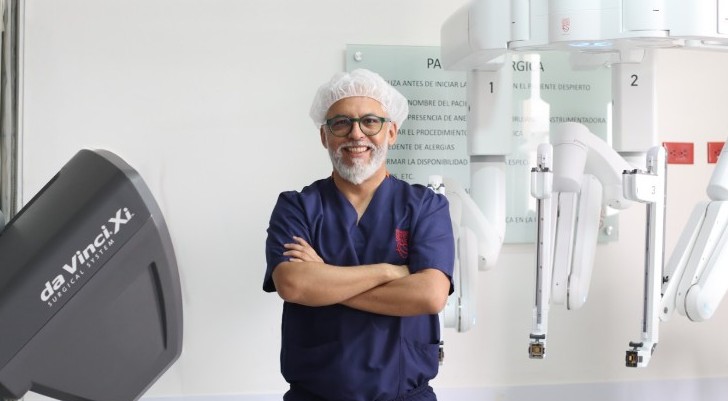
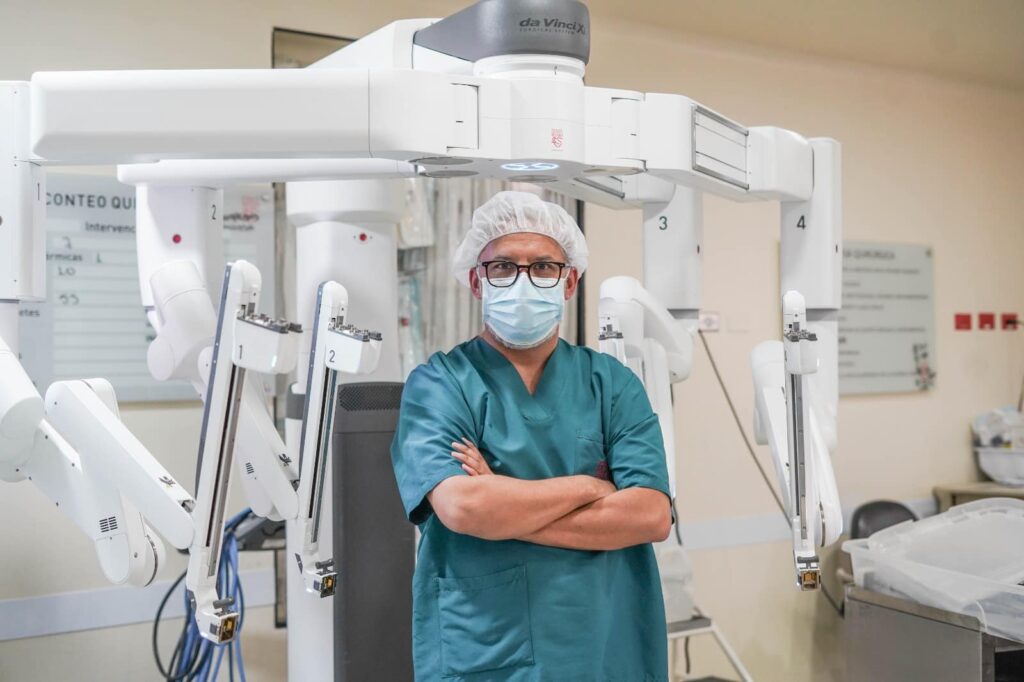
As bariatric surgery continues to evolve, many patients ask me about robotic surgery and whether it offers any real advantages. It is an excellent question. In simple terms, robotic gastric sleeve surgery is a minimally invasive approach that allows the surgeon to operate with enhanced precision, control, and visualization.
However, I always explain that technology alone is not the most important factor. What matters is how that technology is used, in which patient, and under the guidance of an experienced bariatric surgeon.
How does robotic gastric sleeve surgery differ from conventional minimally invasive surgery?
Both robotic surgery and conventional laparoscopy are minimally invasive. The difference is that robotic surgery gives the surgeon a more refined level of control during the procedure. In practical terms, that may offer:
- More precise instrument movement.
- Better visualization of the surgical field.
- Greater control in delicate surgical planes.
- A highly technical and structured approach.
For the patient, the important point is not the machine itself, but the fact that this technology can support a highly precise operation when used appropriately.
What is my robotic approach with fewer incisions?
In my practice, I have worked to refine a robotic bariatric approach that, in selected cases, allows me to perform sleeve gastrectomy with fewer incisions. This is one of the ways I integrate advanced surgical technology into patient care.
I mention this not as a marketing point, but as part of surgical evolution. My focus is always on performing the procedure with safety, precision, and a technique that supports recovery while maintaining high medical standards. The number of incisions is only one part of the conversation. What matters most is the quality and consistency of the surgery.
Why does technology only matter when it is backed by surgical expertise?
This, for me, is the key message. Technology can be valuable, but it never replaces judgment, training, or experience. A robotic platform is a tool, not a guarantee. Its real value depends on the surgeon’s expertise, decision-making, and ability to apply it appropriately in each case.
That is why I always tell patients the same thing: do not choose technology in isolation. Choose the medical team, the surgical expertise, and the quality of the overall process. When those elements are in place, advanced technology can become a meaningful advantage within a safe and well-structured bariatric treatment plan.
Why choose Dr. Rubén Luna for Gastric Sleeve Surgery and ongoing support?
If you have reached this point, you may be looking for more than information. You may be looking for a medical team you can trust. In my practice, every recommendation about gastric sleeve surgery is based on careful medical evaluation, not trends or standard answers. I assess each patient individually to determine whether surgery is truly the right option and which approach best fits their health, needs, and long-term goals.
I also believe that strong results depend on more than the procedure itself. That is why I work with a multidisciplinary team that supports the patient through nutrition, psychology, and structured follow-up before and after surgery. For international patients, this also includes virtual evaluation, personalized planning, travel guidance, and post-op continuity. If you are considering gastric sleeve, scheduling a virtual evaluation can be the first step toward understanding what is right for your case.
Frequently Asked Questions About Gastric Sleeve Surgery
1. What is a gastric sleeve?
A gastric sleeve is a bariatric procedure in which I remove a large portion of the stomach and reshape the remaining part into a narrow, sleeve-like pouch. This reduces the amount of food the stomach can hold and helps patients feel full sooner. It is one of the most widely used options in bariatric surgery because it can support significant weight loss and meaningful improvement in obesity-related health conditions when combined with proper follow-up.
2. Who is a good candidate for gastric sleeve surgery?
A good candidate for gastric sleeve surgery is not defined by weight alone. I look at the full clinical picture, including body mass index, obesity-related conditions such as diabetes, high blood pressure or sleep apnea, previous weight-loss attempts, and the patient’s overall health status. Just as importantly, I evaluate whether the patient is ready for the long-term changes that surgery requires in nutrition, habits, and follow-up.
3. How much weight can I lose after gastric sleeve surgery?
Weight loss after gastric sleeve surgery varies from one patient to another. It depends on factors such as starting weight, metabolic health, adherence to nutritional guidance, physical activity, and consistency with follow-up. In general, patients can achieve substantial weight loss over time, but I always explain that the goal is not just to lose weight quickly. The real goal is to improve health and create sustainable long-term results.
4. Is gastric sleeve surgery safe?
Like any surgery, gastric sleeve surgery must be approached seriously and with proper medical planning. When the patient is well evaluated, the procedure is performed by an experienced bariatric surgeon, and the recovery is carefully monitored, it is considered a safe and effective option for many patients with obesity. That said, safety does not depend on the operation alone. It also depends on choosing the right candidate, the right setting, and a team that provides structured follow-up.
5. How long does recovery after gastric sleeve surgery take?
Recovery after gastric sleeve surgery happens in stages. The first days are focused on hydration, early walking, and medical monitoring. Then the patient gradually progresses through dietary phases and returns to more normal daily activity. Some people recover faster than others, but in general, I tell patients to think of recovery as a process that continues over several weeks, not just a few days. For international patients, travel and return-home timing should always be planned according to their individual progress.
6. What can I eat after a gastric sleeve?
After a gastric sleeve, eating follows a structured progression. Patients usually begin with liquids, then move to soft or pureed foods, and later advance to more solid textures as healing continues. This process is gradual because the stomach needs time to recover and adapt. In the long term, the goal is not only to eat less, but to eat with more structure, better nutritional quality, and greater consistency. That is why post-operative nutritional guidance is such an important part of the treatment.
7. What is the difference between gastric sleeve and gastric bypass?
The main difference is that gastric sleeves reduce the size of the stomach, while gastric bypass also changes the route food takes through the digestive system. Both are effective bariatric procedures, but they are not the same and they are not recommended for the same type of patient in every case. I choose between them based on medical criteria, including the patient’s health conditions, weight history, metabolic profile, and long-term needs.
8. What do gastric sleeves before and after really mean?
When patients search for gastric sleeve before and after, they are often thinking about visible physical changes. However, from my perspective, the most important changes go beyond appearance. A true before-and-after transformation includes better health, improved mobility, more energy, better control of obesity-related conditions, and a more sustainable relationship with food. The visible changes matter, but the medical and functional improvements are often even more important.
9. How is gastric sleeve surgery cost evaluated for international patients?
When patients ask about gastric sleeve surgery cost, I always recommend looking beyond the number itself. Cost should be evaluated in relation to the full treatment process, including medical evaluation, surgical expertise, hospital standards, technology, follow-up, and post-operative support. For international patients, it is also important to consider planning, travel guidance, and continuity of care after returning home. In other words, value matters more than price alone.
10. Can I schedule a virtual consultation before traveling for gastric sleeve surgery in Colombia?
Yes, and for many international patients, that is the best place to begin. A virtual consultation allows me to review your case, understand your health history, discuss your goals, and determine whether gastric sleeve surgery may be the right option for you. It also gives us the opportunity to begin planning the process in a more organized way, including medical preparation, travel logistics, and the support you will need before and after surgery.