Medical author
Dr. Rubén Luna
Bariatric Surgeon
Global Obesity Group · Bogotá, Colombia
Weight Loss Before and After: Transformations That Go Beyond the Scale
Have you ever wondered what truly changes between weight loss before and after photo? The most visible difference may be physical, but the deepest transformation often happens beyond the image. After years of struggling with excess weight, limited mobility, low energy, or obesity-related health conditions, many patients begin to recover parts of their lives they thought they had lost.
Throughout my experience as a bariatric surgeon, I have seen patients improve their relationship with food, move more freely, regain confidence, and take meaningful steps toward better health. In this article, I will share real transformations from patients I have treated, while remembering that every journey is personal, everybody responds differently, and no result should ever be viewed as a guarantee.
When Your Weight Starts Affecting More Than Your Appearance
A before-and-after photograph captures a visible moment, but the need for change often begins much earlier. For many of my patients, the turning point is not what they see in the mirror. It is realizing that their weight has started to influence how they sleep, move, eat, work, travel, and participate in the moments that matter to them.
You Have Tried to Lose Weight, but the Results Never Last
Perhaps you have followed strict diets, exercised consistently, counted calories, or tried different weight-loss treatments. You may have lost weight, only to regain it months later. When this cycle repeats, it can leave you feeling frustrated, ashamed, or convinced that you simply did not try hard enough.
As a bariatric surgeon, I want you to understand something important: obesity is not simply a lack of discipline or willpower. It is a complex, chronic disease influenced by biological, hormonal, metabolic, psychological, environmental, and behavioral factors. That is why effort alone does not always produce lasting results—and why some patients need comprehensive medical care rather than another restrictive diet.
You are not failing because losing weight has been difficult. Your body may need a different kind of support.
A medical evaluation allows us to look beyond the number on the scale. We assess your weight history, eating patterns, previous treatments, body composition, emotional health, and obesity-related conditions. Only then can we determine which approach may be appropriate for you.
Everyday Activities Should Not Feel Like a Constant Struggle
Obesity can gradually make ordinary activities feel more demanding. Sometimes the change happens so slowly that patients adapt to these limitations without realizing how much their daily lives have changed.
Does any of these feel familiar?
You avoid stairs because you become tired or short of breath.
Walking through an airport, shopping center, or park feels exhausting.
You wake up tired even after sleeping for several hours.
Playing with your children or grandchildren requires frequent breaks.
Knee, hip, or back pain limits your movement.
You choose clothing, seats, or travel plans based on whether you will feel physically comfortable.
You have stopped participating in activities you once enjoyed.
You feel that your body is making decisions for you.
These experiences are not minor inconveniences. They can affect independence, relationships, work, emotional well-being, and overall quality of life. A meaningful before-and-after weight loss transformation may therefore represent much more than a smaller clothing size. It can mean walking without constant discomfort, sleeping more peacefully, traveling with confidence, or simply feeling present in your own life again.
Your Health May Be Asking for Help Before You Notice It
Some effects of obesity are visible, but many develop silently. A person may feel relatively well while changes are already occurring in blood sugar, blood pressure, liver health, breathing during sleep, or metabolic function.
| 01 What you may notice | 02 What may need medical evaluation |
|---|---|
| Constant fatigue or waking up unrefreshed | Sleep apnea or metabolic alterations |
| Frequent heartburn or discomfort after meals | Gastroesophageal reflux |
| Increased thirst, hunger, or frequent urination | Insulin resistance or type 2 diabetes |
| Headaches or no obvious symptoms at all | High blood pressure |
| Pain when walking or climbing stairs | Excess strain on the joints |
| Abnormal liver tests found during a routine examination | Fatty liver disease |
| Difficulty losing weight despite repeated efforts | Hormonal, metabolic, behavioral, or medical factors |
Important: These signs do not confirm a diagnosis. A complete medical evaluation is necessary to understand what may be happening and determine the appropriate next step.
Obesity is associated with a higher risk of conditions such as type 2 diabetes, hypertension, obstructive sleep apnea, fatty liver disease, osteoarthritis, cardiovascular disease, and other metabolic complications. Not every patient develops the same conditions, and having excess weight does not automatically mean that all of them are present. However, identifying these risks early gives us the opportunity to intervene before they progress.
Seeking medical guidance is not an admission of defeat. It is an act of care. You do not need to wait until your health deteriorates—or until daily life becomes unbearable—to ask for help. The first step is understanding what your body needs and exploring your options with a qualified medical team.
Weight Loss Before and After: More Than a Physical Transformation
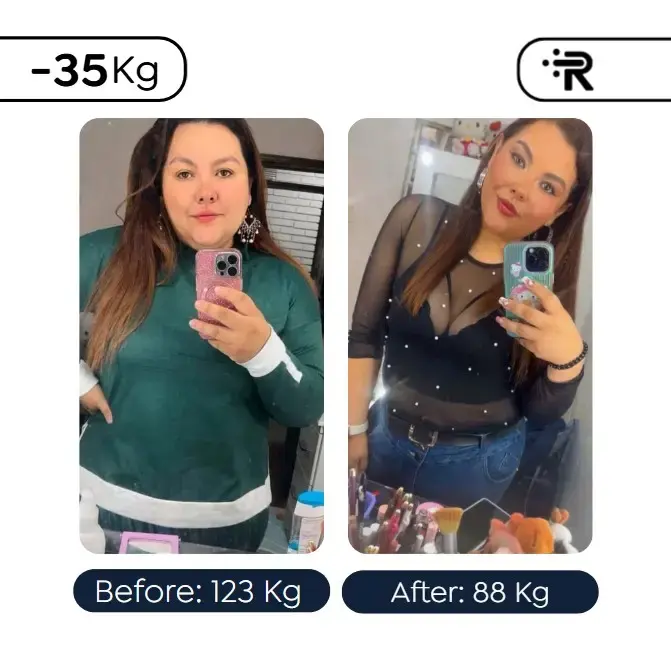
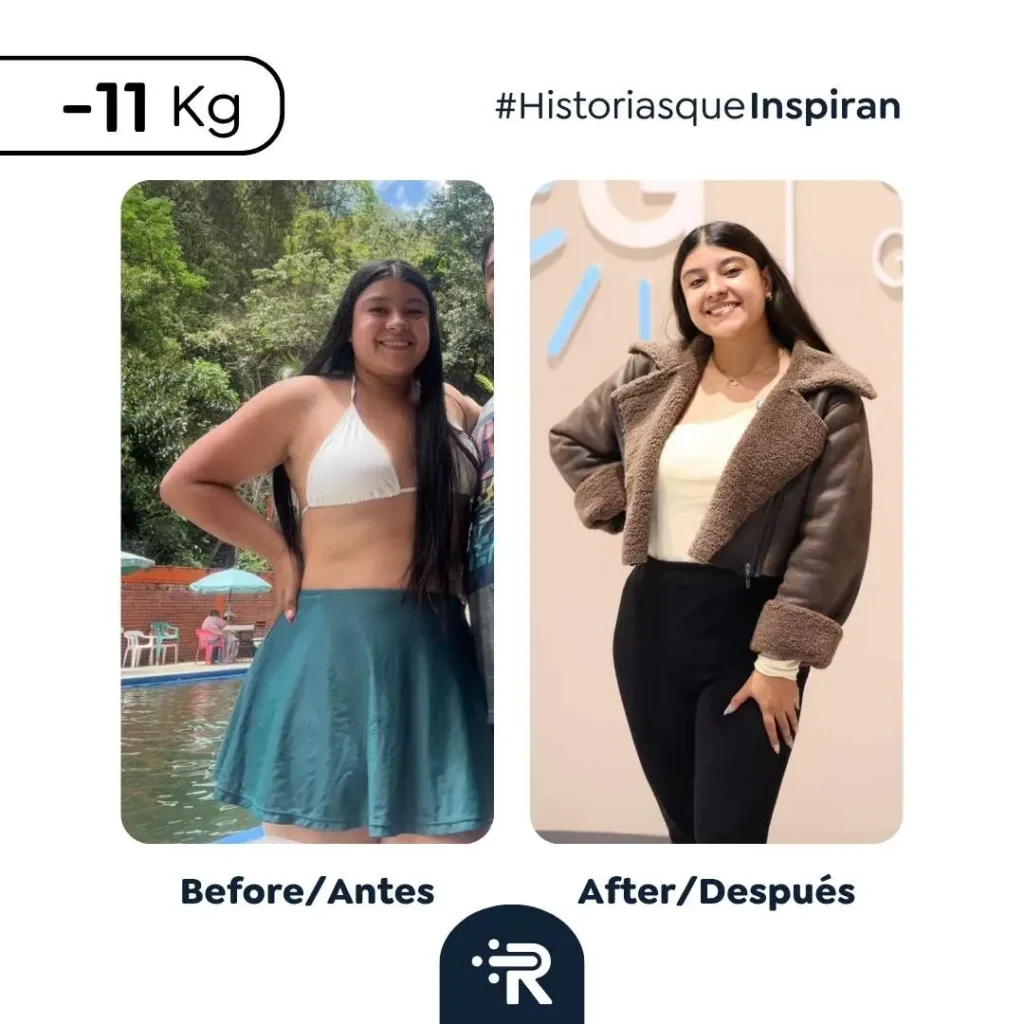
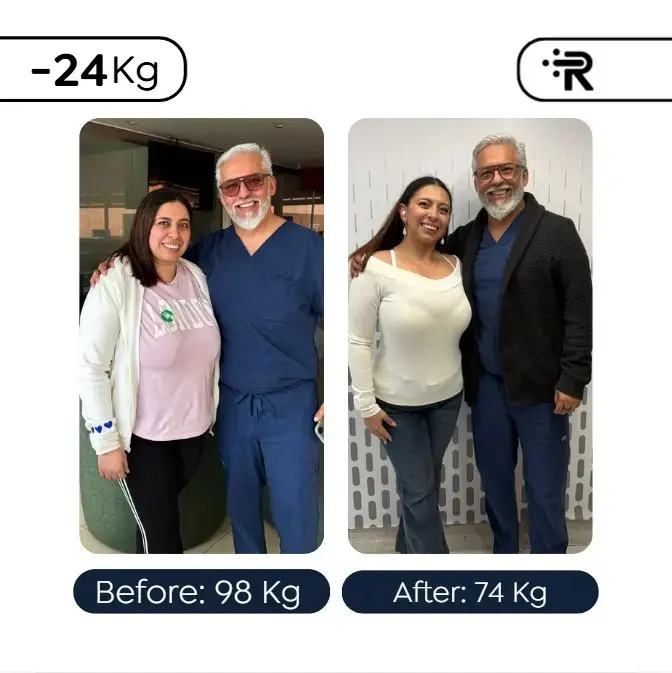
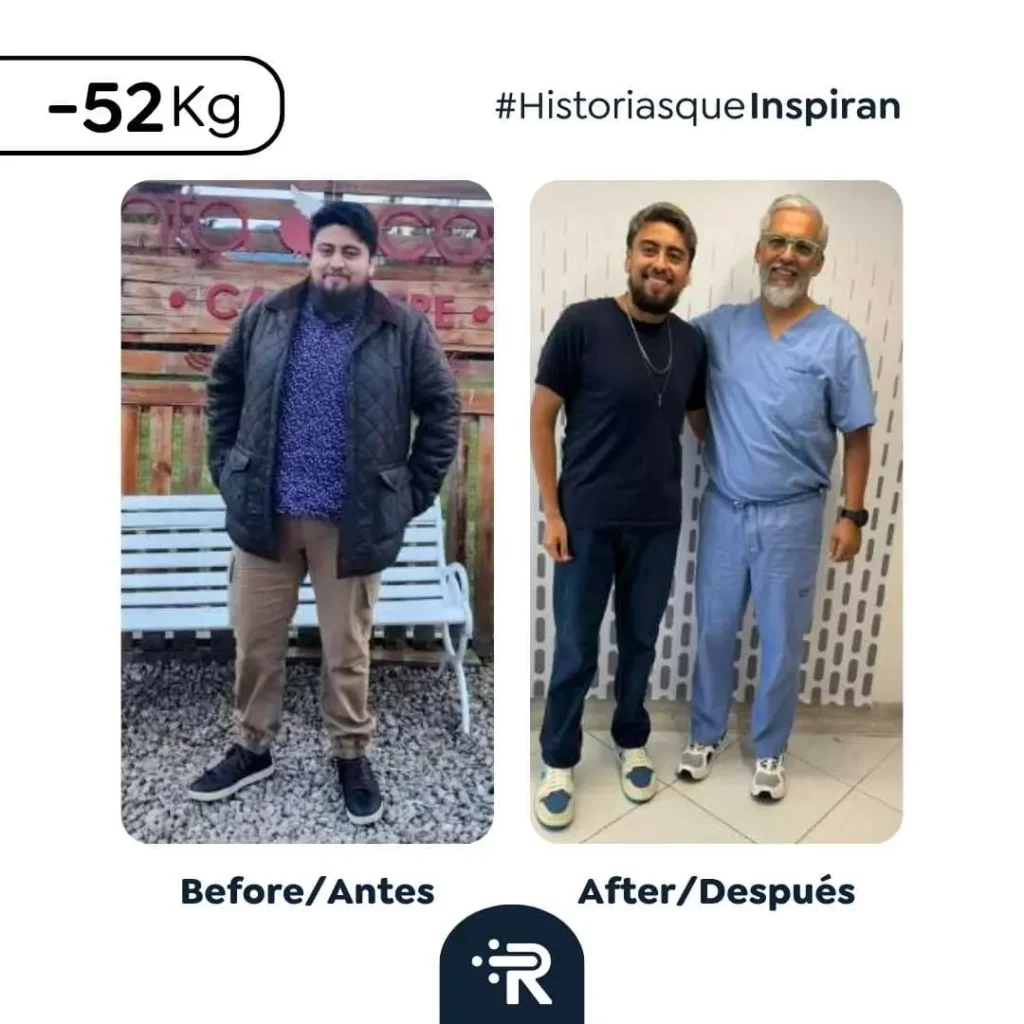
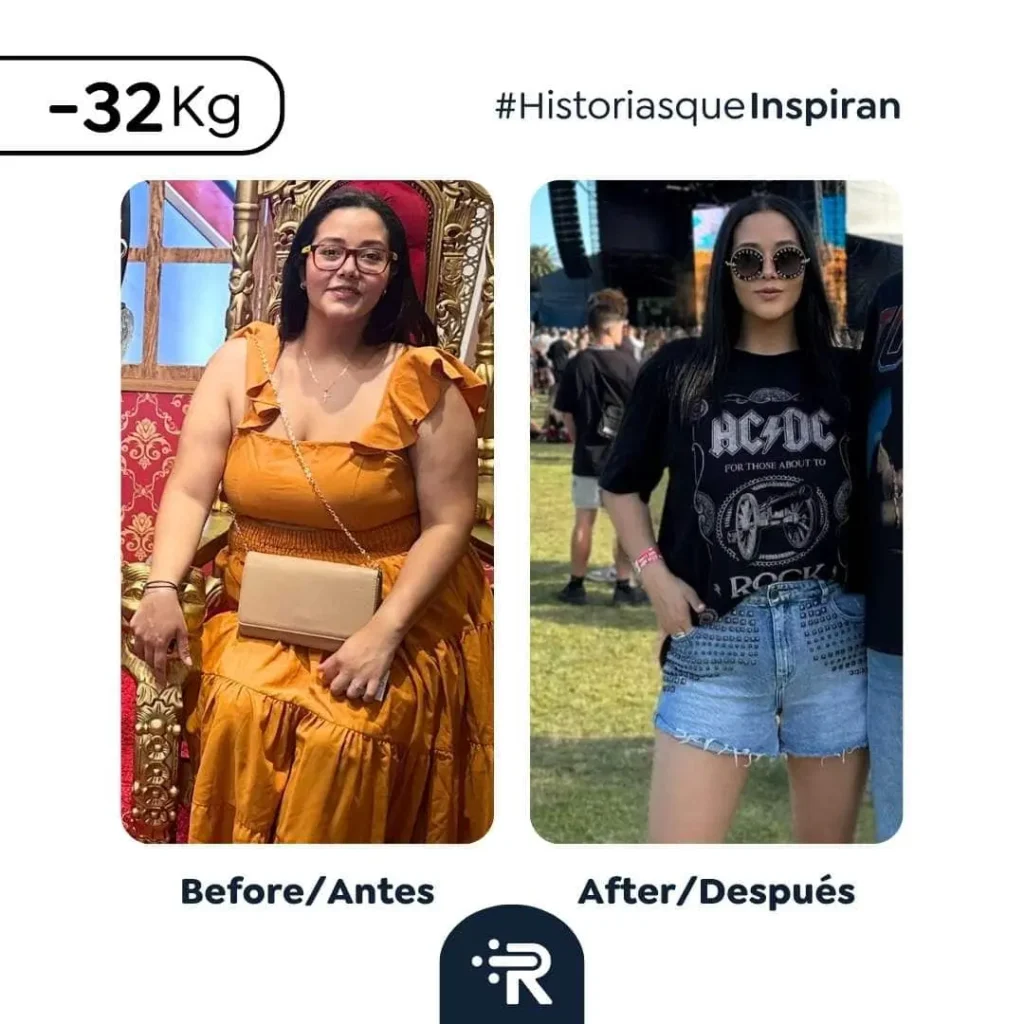
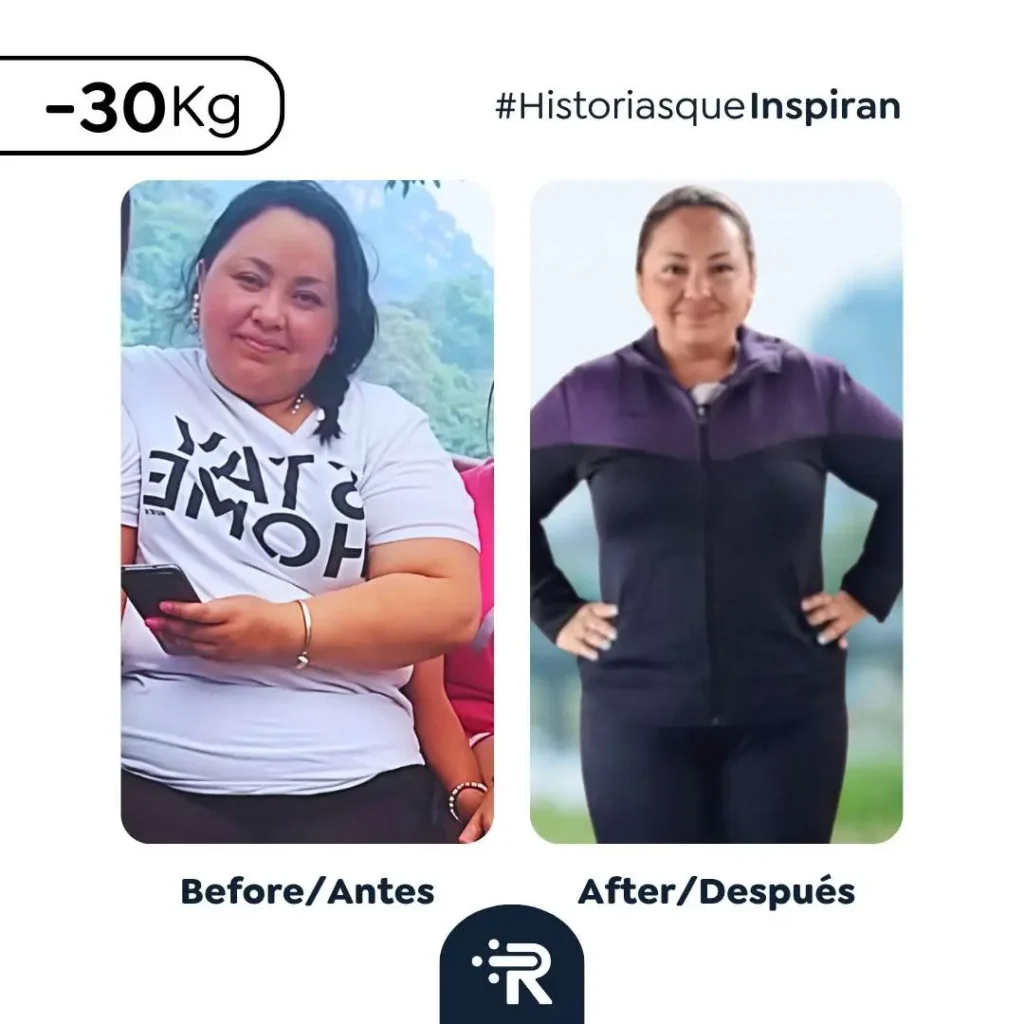
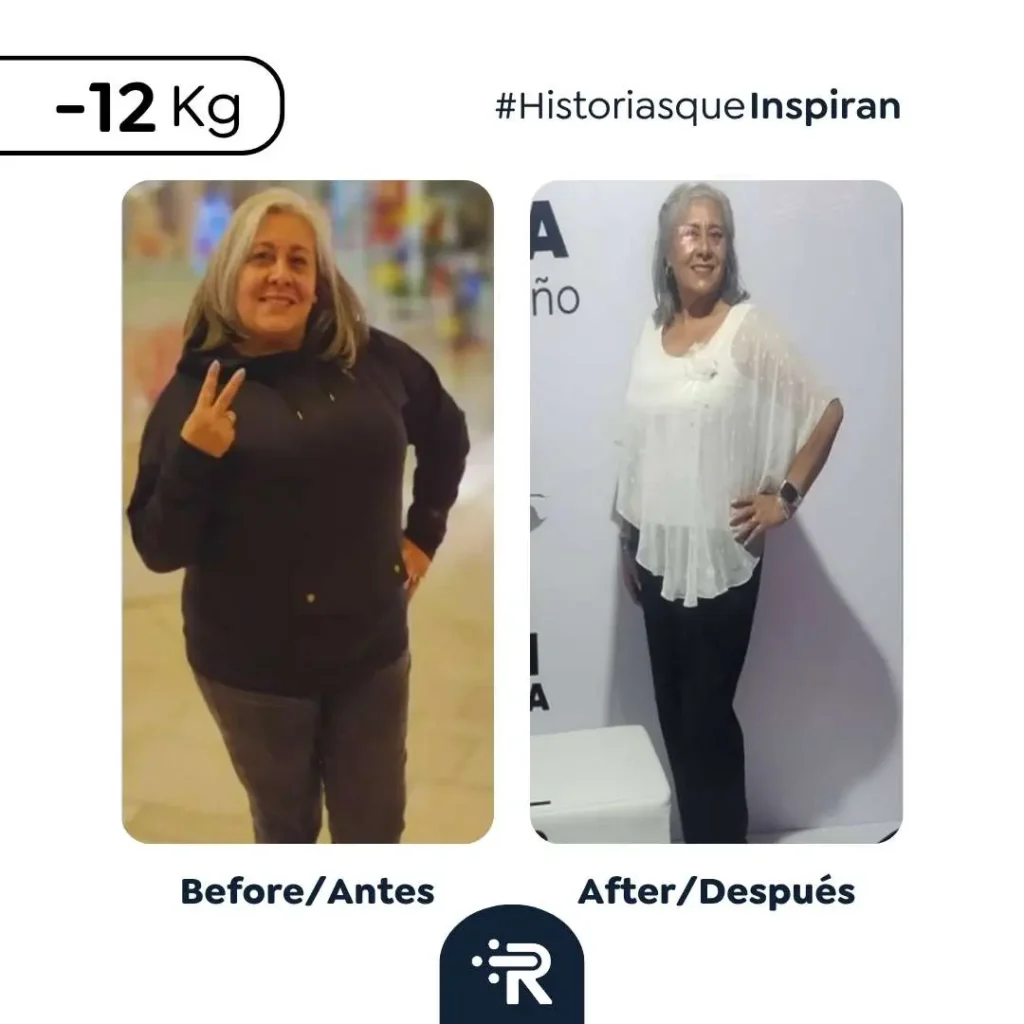
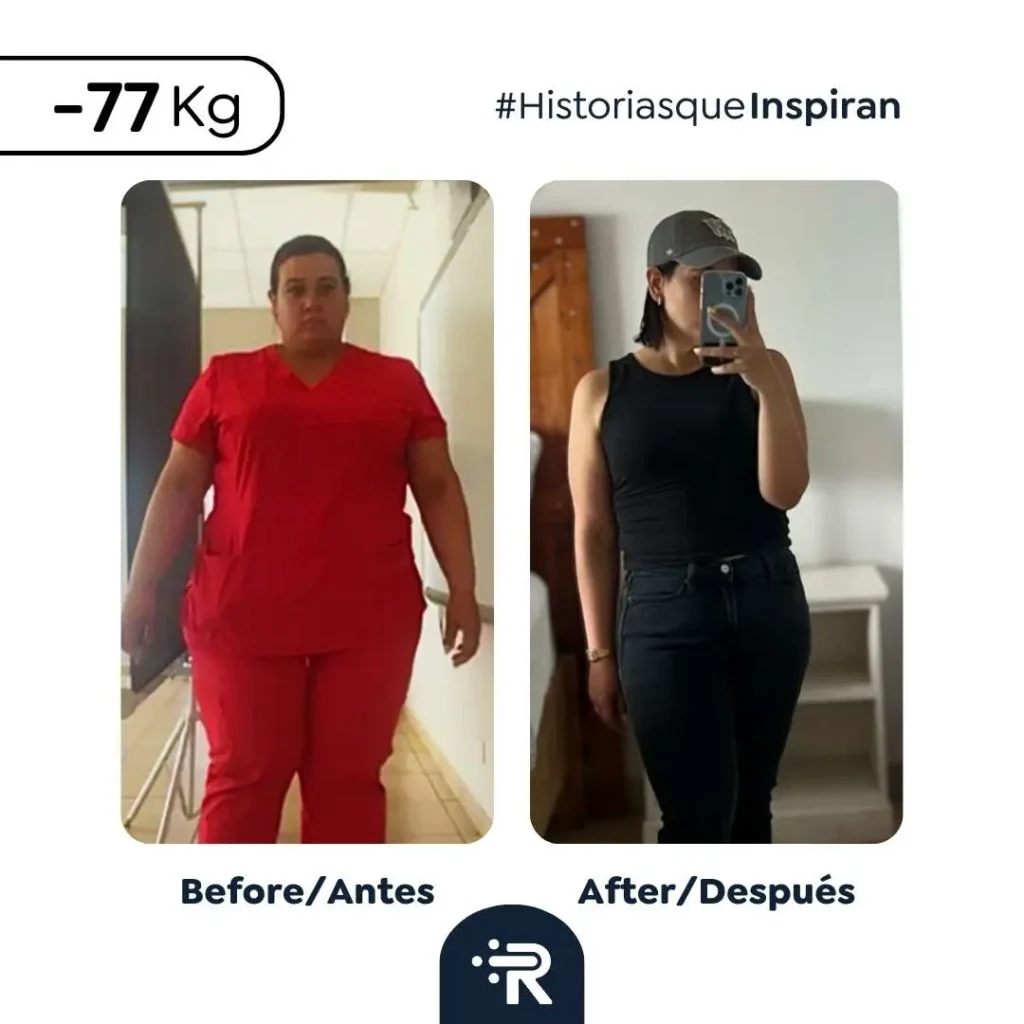
A weight loss before and after comparison may show a smaller body, different clothing, or a more defined face. Yet a photograph cannot fully capture what may also be changing: greater mobility, more energy, healthier routines, improved metabolic health, and a renewed sense of confidence.
As a bariatric surgeon, the most meaningful results are not measured only in kilograms. A true transformation involves the body, daily habits, emotional well-being, and the ability to participate more fully in life.
The Visible Change Is Only the First Part of the Story
Before-and-after images can make weight loss appear immediate, but the space between those photographs represents months of adaptation, medical follow-up, and personal commitment.
- What the image shows: Changes in body shape, clothing size, posture, and physical appearance.
- What the image cannot show: New eating habits, greater physical capacity, improved sleep, health monitoring, emotional adjustment, and consistent follow-up.
Each before-and-after weight loss transformation should therefore be understood as a process rather than a single result.
Greater Mobility Can Bring Everyday Life Back Within Reach
One of the most valuable changes after significant weight loss may be the ability to move with greater comfort. Activities that once felt exhausting can gradually become more manageable.
| Before | After |
|---|---|
|
Walking long distances may feel difficult.
|
Movement may become more comfortable.
|
|
Stairs can require frequent pauses.
|
Daily activities can require less effort.
|
|
Joint or back discomfort may limit movement.
|
Exercise may become more accessible.
|
|
Travel and family activities can feel physically demanding.
|
Greater mobility can support independence and participation.
|
These changes vary from one person to another and depend on age, physical condition, previous injuries, and adherence to the recovery plan.
A Healthier Body Is More Important Than a Smaller Clothing Size
Bariatric surgery is not performed only to change appearance. Its medical purpose is to treat obesity and reduce the impact it can have on overall health.
Weight loss and the metabolic effects of surgery may contribute to improvements in conditions associated with obesity, such as:
| Area of Health | Possible Progress After Surgery |
|---|---|
| Blood sugar |
Better control of insulin resistance or type 2 diabetes.
|
| Blood pressure |
Reduction in elevated blood pressure.
|
| Sleep |
Improvement in symptoms associated with sleep apnea.
|
| Liver health |
Reduction of fat accumulation in the liver.
|
| Digestive health |
Changes in reflux symptoms, depending on the procedure.
|
| Joint health |
Less mechanical pressure on the knees, hips, and back.
|
| Metabolic health |
Improvement in cholesterol or triglyceride levels.
|
These benefits are not automatic or identical to everyone. They must be evaluated through medical examinations, laboratory testing, and ongoing follow-up.
Emotional Transformation Does Not Always Appear in the Mirror
Losing weight can influence confidence and motivation, but adapting to physical change can also take time. A new appearance does not instantly resolve every emotional challenge or change a person’s relationship with food.
A comprehensive process may involve learning to:
- Recognize hunger and fullness differently.
- Develop routines that do not revolve around food.
- Adjust to changes in body image.
- Respond to attention or comments from others.
- Rebuild confidence without depending only on appearance.
- Maintain motivation after the first months of rapid change.
A new body may be visible in a photograph. A healthier relationship with yourself is built gradually.
Surgery Opens the Door, but Long-Term Change Is Built Afterwards
Bariatric surgery is a medical tool that can create favorable conditions for significant weight loss. However, the operation itself is only one stage of the transformation.
The foundations behind sustainable progress
- Medical follow-up: Monitoring recovery, laboratory results, medications, and obesity-related conditions.
- Nutrition: Progressing through the postoperative diet and learning to prioritize appropriate portions, protein, hydration, and food quality.
- Physical activity: Reintroducing movement gradually and developing an exercise routine according to individual capacity.
- Emotional support: Identifying eating patterns, managing expectations, and adapting to changes in lifestyle and body image.
- Consistency: Maintaining appointments, supplements when prescribed, and habits even after the initial weight-loss period.
This is why a responsible bariatric surgery before and after story should never focus exclusively on the final photograph. The true result is the combination of surgical treatment, professional support, and the daily decisions that protect health over time.
Important:
Before-and-after images illustrate individual experiences and do not guarantee the same outcome for everyone. Results vary according to the procedure, initial health, metabolism, follow-up, and lifestyle habits.
What Changes After Bariatric Surgery Besides the Number on the Scale?
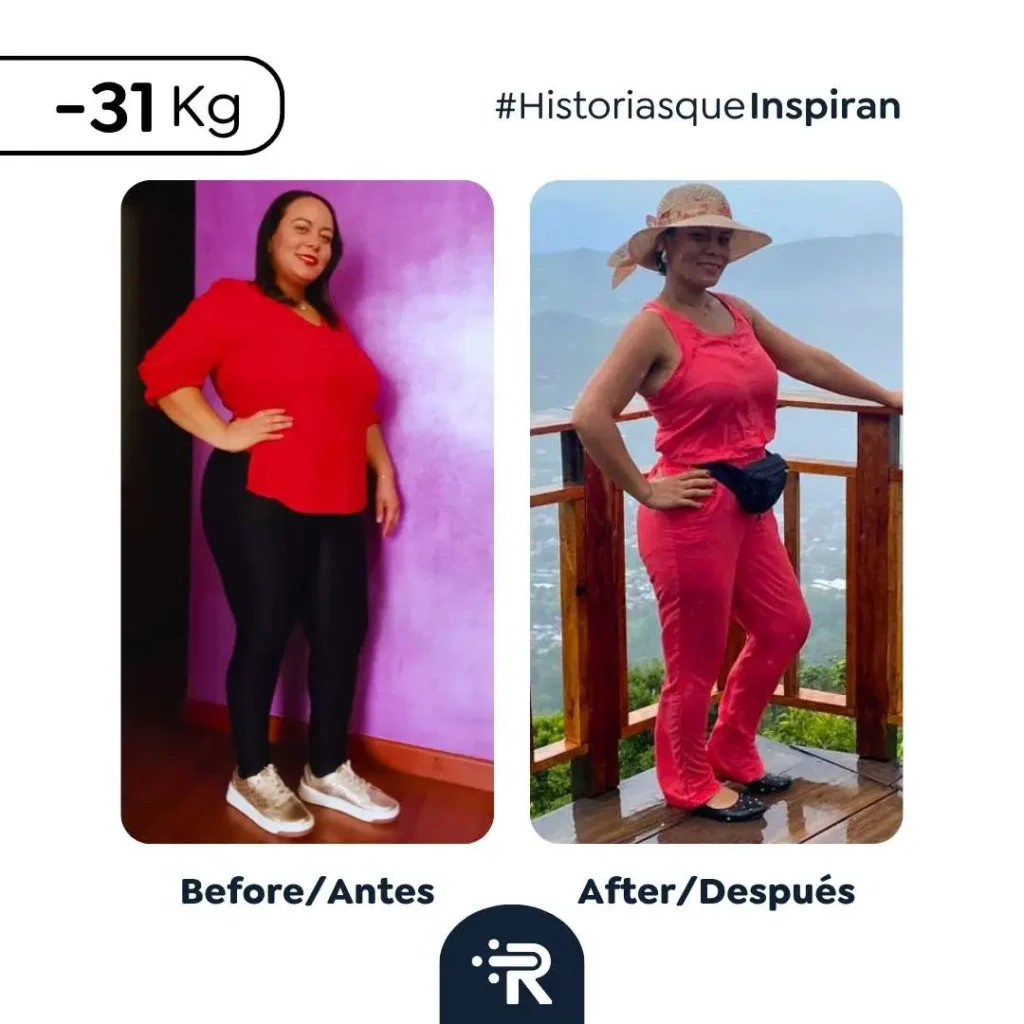
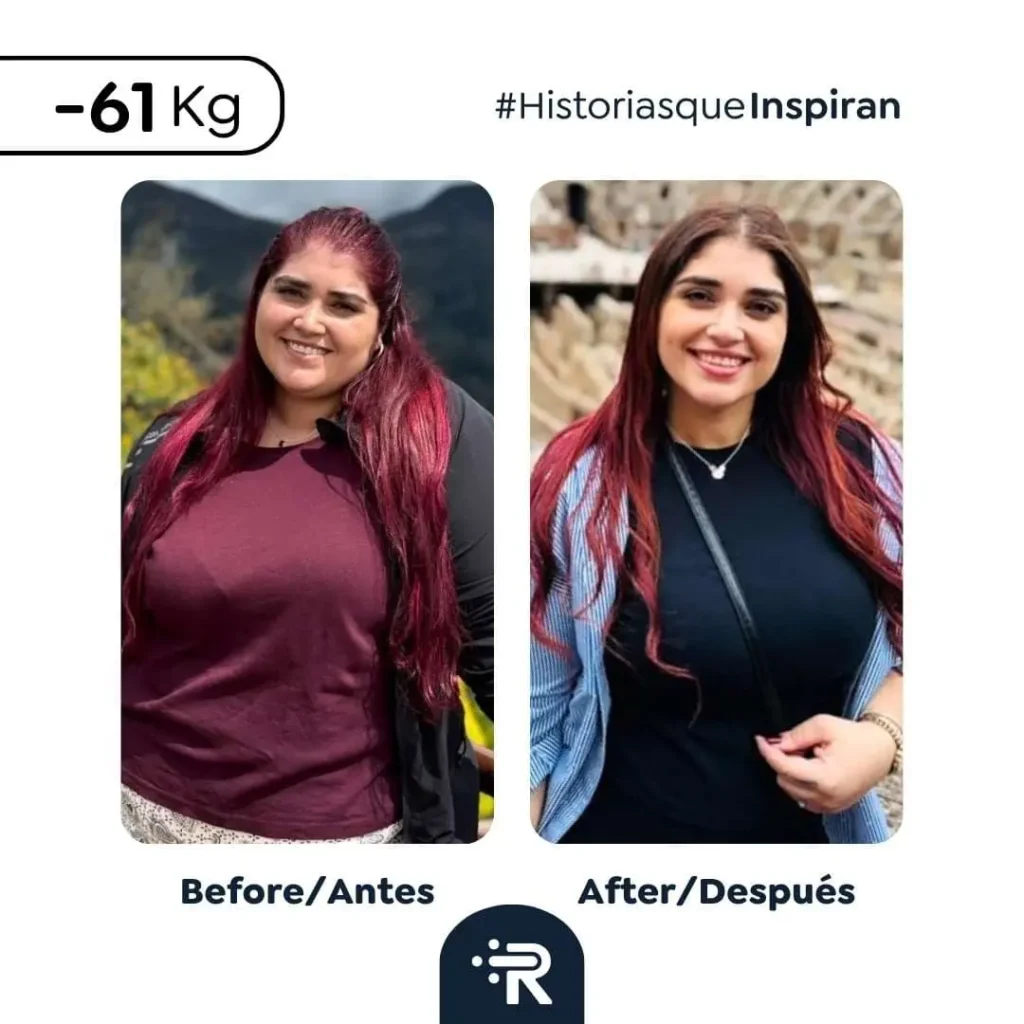
Weight loss is one of the most visible results after bariatric surgery, but it is not the only one I evaluate during follow-up. A meaningful transformation may also involve movement, nutrition, metabolic health, emotional well-being, and the ability to return to activities that obesity had gradually limited.
For that reason, bariatric surgery before and after journey should not be measured only by body weight. The most important progress is often found in how a person feels, functions, and cares for their health over time.
Your Body May Begin to Move with Greater Freedom
Excess weight can place constant pressure on the knees, hips, back, and other weight-bearing joints. As the body loses weight, movement and everyday activities may gradually become more manageable.
Eating Less Is Not the Same as Learning to Eat Better
Bariatric surgery changes how much food the stomach can hold and may influence hunger and satiety. Sustainable progress, however, requires more than eating smaller portions.
The first stage focuses on protecting the surgical area, maintaining hydration, and following the prescribed dietary plan.
Food textures are gradually introduced according to tolerance, healing, and the procedure performed.
Nutrition begins to prioritize protein, hydration, food quality, suitable portions, and slower eating.
Medical follow-up helps determine whether vitamins, minerals, or other supplements are required.
Improving Your Health Can Be More Meaningful Than Changing Your Clothing Size
Bariatric surgery is not an aesthetic shortcut. It is a medical treatment for obesity and may contribute to better control of conditions associated with excess weight.
Emotional Support Matters During Every Stage of Change
A physical transformation may bring confidence and motivation, but it can also require emotional adjustment. The body may change faster than the way a person sees themselves, while new eating patterns can influence routines, relationships, and social situations.
Learning to manage emotions without using food in the same way.
Adapting gradually to changes in body image.
Responding to comments or increased attention from others.
Managing expectations about life after weight loss.
Maintaining motivation after the initial weight-loss period.
Building confidence that does not depend only on appearance.
Surgery changes the body. Emotional support helps a person understand and sustain that change.
This is why, in my practice, follow-up does not end in the operating room. Through Global Obesity Group, the process includes medical, nutritional, and emotional support during the first year after surgery. The objective is not only to achieve a visible weight loss transformation, but to help each person build a healthier and more sustainable relationship with their body, food, and daily life.
Your Weight Loss Before-and-After Journey Can Begin with the Right Bariatric Procedure
Bariatric surgery is not a one-size-fits-all decision. In my practice, I first evaluate your body mass index, medical history, obesity-related conditions, previous weight-loss attempts, eating habits, and personal goals before recommending a procedure. Depending on your needs, the most appropriate option may be a gastric sleeve, gastric bypass, or another bariatric treatment. The operation is only one part of the process; long-term progress also depends on nutrition, medical follow-up, emotional support, and the development of sustainable habits.
For selected cases, I perform robotic bariatric surgery using an advanced three-incision technique, designed to reduce the number of incisions and potentially support smaller scars, less postoperative discomfort, a more comfortable recovery, and greater surgical precision. If you are traveling to Bogotá, you will not have to manage the process alone: our team can coordinate your virtual evaluation, required tests, travel planning, hospital care, recovery in the city, remote follow-up, and one year of multidisciplinary support. A virtual consultation is the safest first step to determine whether bariatric surgery—and which procedure—may be appropriate for you.
Frequently Asked Questions About Weight Loss Before and After Bariatric Surgery
1. How much weight can I lose after bariatric surgery?
There is no single amount that applies to everyone. Weight loss depends on the procedure performed, starting weight, metabolism, health conditions, eating habits, physical activity, and commitment to follow-up. During a medical evaluation, I can provide a more realistic estimate based on your individual case, but no responsible surgeon should guarantee a specific result.
A weight loss before and after photograph shows one person’s outcome, not a prediction of what your body will do.
2. When will I notice changes after surgery?
Changes usually develop progressively. Many people notice differences in their weight, appetite, clothing, and energy during the first few months, while the overall process continues beyond that initial period. The rate of change may slow over time as the body adapts.
It is important not to compare your monthly progress with someone else’s photographs or numbers. Each bariatric surgery before and after journey follows its own timeline.
3. Are before-and-after photographs a guarantee of my results?
No. Before-and-after images are useful for illustrating real transformations, but they cannot guarantee that another person will achieve the same weight loss, body shape, or health improvements.
Results vary according to surgery, medical history, starting condition, follow-up, nutrition, and lifestyle. Photographs should always be viewed as examples of individual experiences rather than promises.
4. Is bariatric surgery only about changing physical appearance?
No. Bariatric surgery is a medical treatment for obesity, not simply a cosmetic procedure. In suitable candidates, it can support significant weight loss and may help improve health conditions associated with obesity, including type 2 diabetes, high blood pressure, sleep apnea, and other metabolic problems.
For many people, the most meaningful part of their weight loss transformation is having more energy, moving more comfortably, sleeping better, or reducing the impact obesity has had on their health.
5. How does gastric sleeve surgery support weight loss?
During gastric sleeve surgery, a large portion of the stomach is removed, leaving a narrower, sleeve-shaped stomach. This limits the quantity of food that can be eaten and can influence hunger and satiety.
However, a gastric sleeve before and after transformation does not come from the operation alone. Nutrition, hydration, physical activity, supplementation when prescribed, and regular medical care remain essential after surgery.
6. How do I know whether gastric sleeve surgery is right for me?
The decision cannot be made from weight alone. I evaluate your BMI, obesity-related conditions, previous weight-loss attempts, digestive symptoms, eating patterns, medical history, and personal goals before recommending a procedure.
For some people, gastric sleeve surgery may be appropriate. For others, gastric bypass or a different treatment may offer greater benefits. The safest choice is the one based on a complete and personalized medical assessment.
7. What is three-incision robotic bariatric surgery?
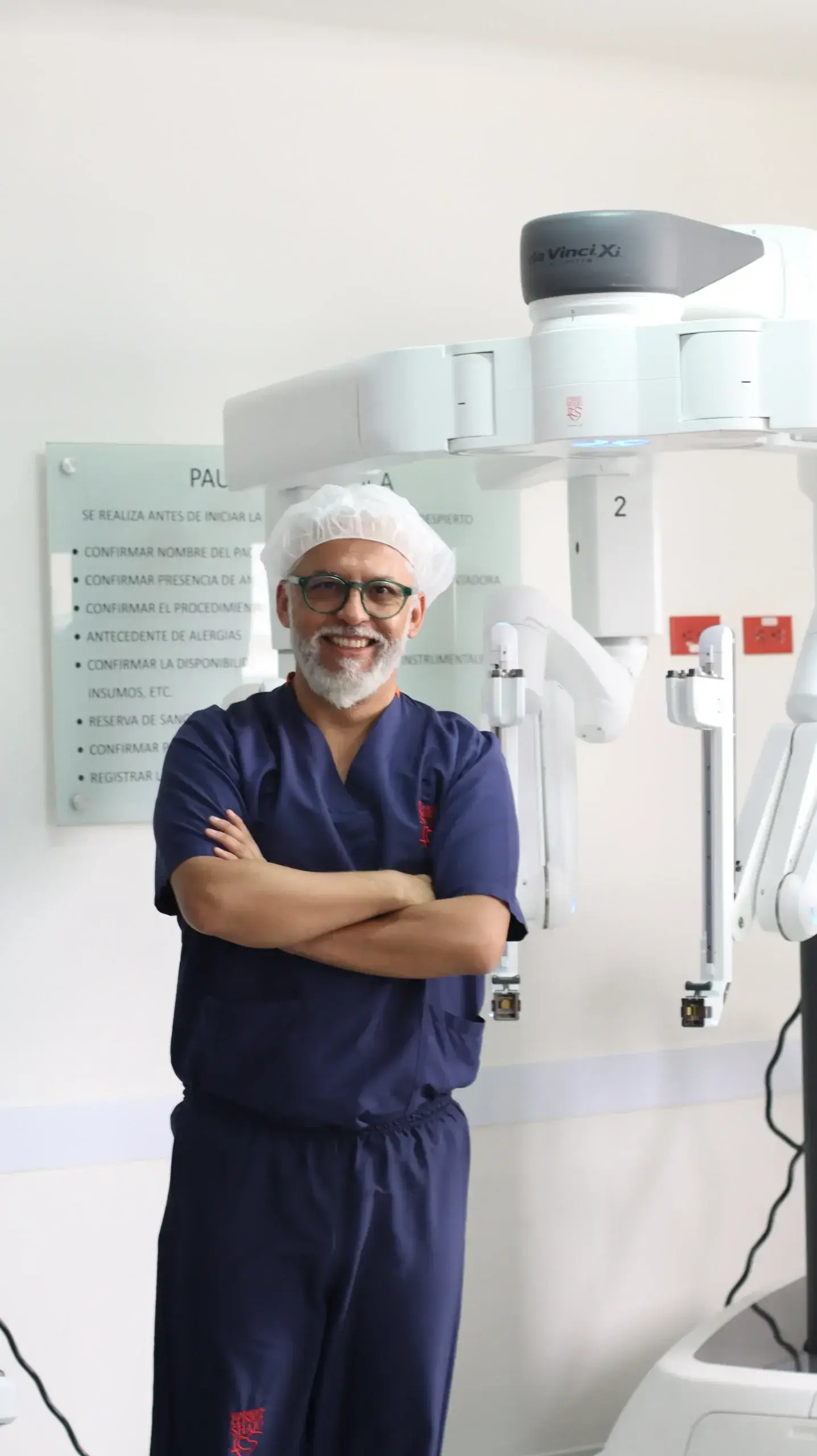
Three-incision robotic surgery is an advanced minimally invasive approach used in selected bariatric procedures. Through the da Vinci Xi platform, I control specialized instruments that provide enhanced visualization, precision, and range of movement during surgery.
For suitable candidates, my three-incision approach may mean fewer incisions, more discreet scars, less postoperative discomfort in some cases, and a potentially more comfortable recovery. The technique is not automatically appropriate for everyone; the final surgical plan depends on safety and the needs of each case.
8. Will I need to follow a special diet after surgery?
Yes. Nutrition progresses through stages, usually beginning with liquids and advancing gradually toward softer textures and solid foods according to recovery and tolerance. Hydration, protein intake, food quality, portion size, and eating slowly become important parts of daily care.
Vitamin and mineral supplements may also be required depending on the procedure and laboratory results. Long-term follow-up helps identify nutritional deficiencies and adjust the plan when needed.
9. Can weight return after bariatric surgery?
Some weight regain can occur. Bariatric surgery is a powerful medical tool, but obesity is a chronic disease that requires ongoing management. Changes in eating patterns, reduced physical activity, emotional factors, medical conditions, or loss of follow-up may influence long-term progress.
Regaining weight should not be interpreted as a personal failure. It is a reason to return to the bariatric team, identify what has changed, and create a new treatment plan. Regular long-term care is recommended even after the initial postoperative year.
10. Can I travel to Bogotá for bariatric surgery and continue my follow-up from abroad?
Yes. International patients can begin with a virtual consultation, during which I review their medical history, weight-loss goals, previous treatments, and available examinations. If surgery is appropriate, our team can assist with preoperative requirements, hospital coordination, travel planning, and recovery arrangements in Bogotá.
After returning home, follow-up can continue remotely as part of our multidisciplinary program. The first step is to schedule a virtual consultation so we can determine whether gastric sleeve surgery, gastric bypass, or another treatment may be appropriate for your health and your goals.
References
- Centers for Disease Control and Prevention (CDC). Consequences of Obesity.
- National Institute of Diabetes and Digestive and Kidney Diseases (NIDDK). Health Risks of Overweight & Obesity.
- National Institute of Diabetes and Digestive and Kidney Diseases (NIDDK). Weight-loss Surgery Benefits.
- National Institute of Diabetes and Digestive and Kidney Diseases (NIDDK). Weight-loss (Metabolic & Bariatric) Surgery.
- American Society for Metabolic and Bariatric Surgery (ASMBS). Life After Bariatric Surgery.
- American Society for Metabolic and Bariatric Surgery (ASMBS). FAQs of Bariatric Surgery.
- American Society for Metabolic and Bariatric Surgery (ASMBS). Bariatric Surgery Procedures.
- American Society for Metabolic and Bariatric Surgery (ASMBS). Psychologic Considerations Before and After Bariatric Surgery.
The information provided in this article is for educational purposes only and does not replace an individual medical assessment. A consultation with a qualified bariatric surgeon is always necessary to evaluate your health, medical history, needs, and the most appropriate treatment options for your particular case.