Medical Author
Dr. Rubén Luna
Bariatric Surgeon
Global Obesity Group · Bogotá, Colombia
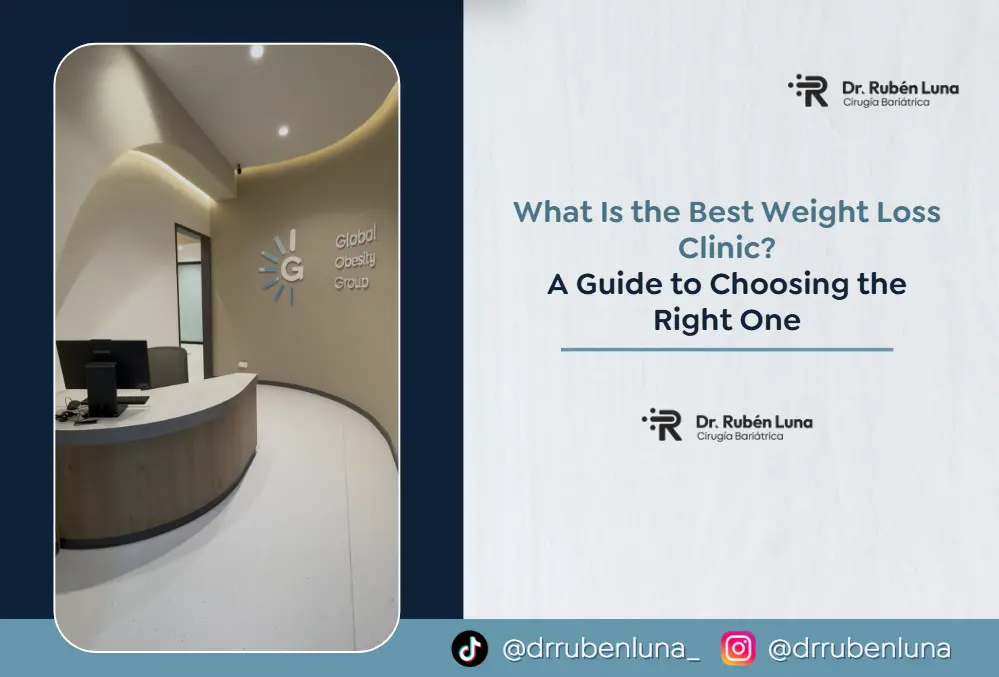
What Is the Best Weight Loss Clinic? A Guide to Choosing the Right One
What Is the Best Weight Loss Clinic? If you are asking yourself that question, you may already have noticed how different the answers can be. Some clinics focus on diets, others on weight loss medications, and others mainly on bariatric surgery. In my experience, however, choosing the right weight loss clinic should begin with a different question: What does my health need? Obesity is not the same for every patient, and the right approach should consider your medical history, previous attempts to lose weight, current health conditions, lifestyle, and personal goals before recommending a treatment.
That is why I believe a good weight management clinic should offer much more than a single solution. It should combine a thorough medical evaluation, a multidisciplinary team, experienced professionals, different treatment options, appropriate hospital infrastructure, clear communication, and long-term follow-up. Most importantly, it should be able to build a personalized weight loss treatment around you. The right clinic should adapt the treatment to the patient — not the patient, to the treatment.
What Should You Really Look for in a Weight Loss Clinic?
When patients ask me how to choose a weight loss clinic, I usually tell them to look beyond the treatment being advertised. A clinic should first be able to understand why losing weight has been difficult for you, how excess weight is affecting your health, and which approach makes sense for your situation. A good weight management clinic should give you more than a solution—it should give you a medical plan.
A quick checklist before choosing a weight loss clinic
| Ask yourself | What to look for |
|---|---|
| Will they evaluate me before recommending treatment? | Medical history, weight history, current conditions, medications, lifestyle and goals. |
| Do they offer more than one treatment option? | Medical, nutritional, endoscopic and surgical alternatives when appropriate. |
| Will more than one specialist be involved? | A multidisciplinary team that can address different aspects of obesity. |
| Are they looking at my health, not only my weight? | Metabolic health, mobility, habits, associated conditions and quality of life. |
| Is the plan designed around me? | A clear personalized weight loss treatment rather than the same protocol for everyone. |
If every patient receives the same treatment, something may be missing
I do not believe a weight loss program should begin by deciding that every patient needs specific medication, diet or surgery. It should begin with an evaluation. Before recommending treatment, we need to understand your weight history, previous attempts to lose weight, associated medical conditions, current medications, eating habits, relationship with food, physical activity and, importantly, what you want to achieve.
These factors can change the treatment plan significantly. Two people with a similar weight may have very different metabolic health, medical histories and needs. That is why personalized weight loss treatment matters: the first decision should not be which procedure to perform, but which approach is appropriate for this patient. Health authorities similarly recommend tailoring weight-management programs to a patient’s health status, needs and preferences.
A good clinic should have more than one way to help you lose weight
Obesity treatment is not limited to one tool. Depending on your health, previous treatments and degree of obesity, your weight loss treatment options may include medical weight management, nutritional therapy, obesity medicine, endoscopic procedures or metabolic and bariatric surgery.
This is an important distinction when comparing a medical weight loss clinic or obesity treatment clinic. If a clinic has several therapeutic options available, the conversation can begin with your needs rather than with the treatment it wants to sell. Lifestyle interventions, prescription medications and bariatric surgery are all recognized approaches to obesity treatment, but they are not appropriate for every person in the same way.
Who should be involved in your weight loss journey?
Another question I often hear is: what type of doctor should I see for weight loss? The answer is not always one specialist. Obesity can involve metabolic health, nutrition, eating behaviors, emotional factors, mobility and physical conditioning, so different patients may need support in different areas.
That is where a multidisciplinary weight loss program becomes valuable. Depending on the case, care may involve an obesity medicine specialist, nutrition professionals, psychology, physiotherapy or physical activity support, and a bariatric surgeon when surgery is medically indicated. The goal is not to add specialists unnecessarily, but to make sure the different factors affecting your health are addressed.
Your health matters more than the number on the scale
Weight is important, but it does not tell the whole story. When I evaluate a patient, I am also interested in what is happening beyond the scale: blood pressure, blood sugar, sleep, mobility, eating patterns, physical condition, weight-related diseases and how obesity is affecting everyday life.
For this reason, a good weight management clinic should not define success only by how many pounds or kilograms you lose. Weight reduction can also help improve several obesity-related health problems, and those changes should be part of the conversation from the beginning.

Considering Bariatric Surgery? Look Beyond the Procedure
Once bariatric surgery becomes a real possibility, it is easy to focus only on the procedure itself: gastric sleeve, gastric bypass, robotic surgery, or another option. In my experience, however, choosing a bariatric surgery clinic requires looking at the entire process surrounding the operation—not just the name of the procedure.
Bariatric surgery is more than a procedure. Before making a decision, take time to understand who will treat you, how you will be supported, and where your surgery will take place.
01
Your surgeon
Who will perform your bariatric surgery?
Who will perform your bariatric surgery?
Before deciding, you should know exactly who your surgeon will be. Ask about their specific experience in bariatric and metabolic surgery, training, the techniques they perform, the hospitals where they operate, and their experience treating patients with different medical conditions and levels of obesity.
It is also reasonable to ask how the surgeon chooses among different weight loss surgery options. A good consultation should help you understand not only what procedure is being proposed, but why that option makes sense for you.
- How long have you been performing bariatric surgery?
- Which procedures do you perform regularly?
- How do you decide which operation is appropriate for each patient?
- Where will my surgery take place?
- Who will follow me after the operation?
02
Your follow-up
The procedure matters, but what happens after surgery matters too
The procedure matters, but what happens after surgery matters too
Bariatric surgery may take only a few hours, but the real process continues for months afterward. A comprehensive bariatric surgery program should clearly explain the support you will receive after leaving the operating room.
Nutritional guidance
Adaptation to new eating patterns
Medical checkups
Physical activity guidance
Psychological support
Monitoring of your progress
This long-term weight loss support matters because surgery changes the digestive system, but patients still need guidance to adapt their nutrition, habits and lifestyle.
“Who will be helping me six months after surgery?”
The answer can tell you a great deal about how the clinic understands bariatric care.
03
Your hospital
Ask where your surgery will take place
Ask where your surgery will take place
The medical team matters, but so does the hospital where your procedure is performed. Before choosing a bariatric surgery clinic, ask about the surgical facility, operating rooms, technology, anesthesia team, postoperative care and the protocols used before and after surgery.
Know exactly where your procedure will be performed.
Ask about anesthesia, surgical support and postoperative care.
Understand what resources are available for your procedure.
This becomes even more important when considering weight loss surgery abroad. If you have never visited the hospital in person, you should receive clear information about where the procedure will take place and what medical support will be available.
A bariatric program is not only the surgeon and the procedure. It is also the team, the hospital, the preparation and the follow-up surrounding that surgery.
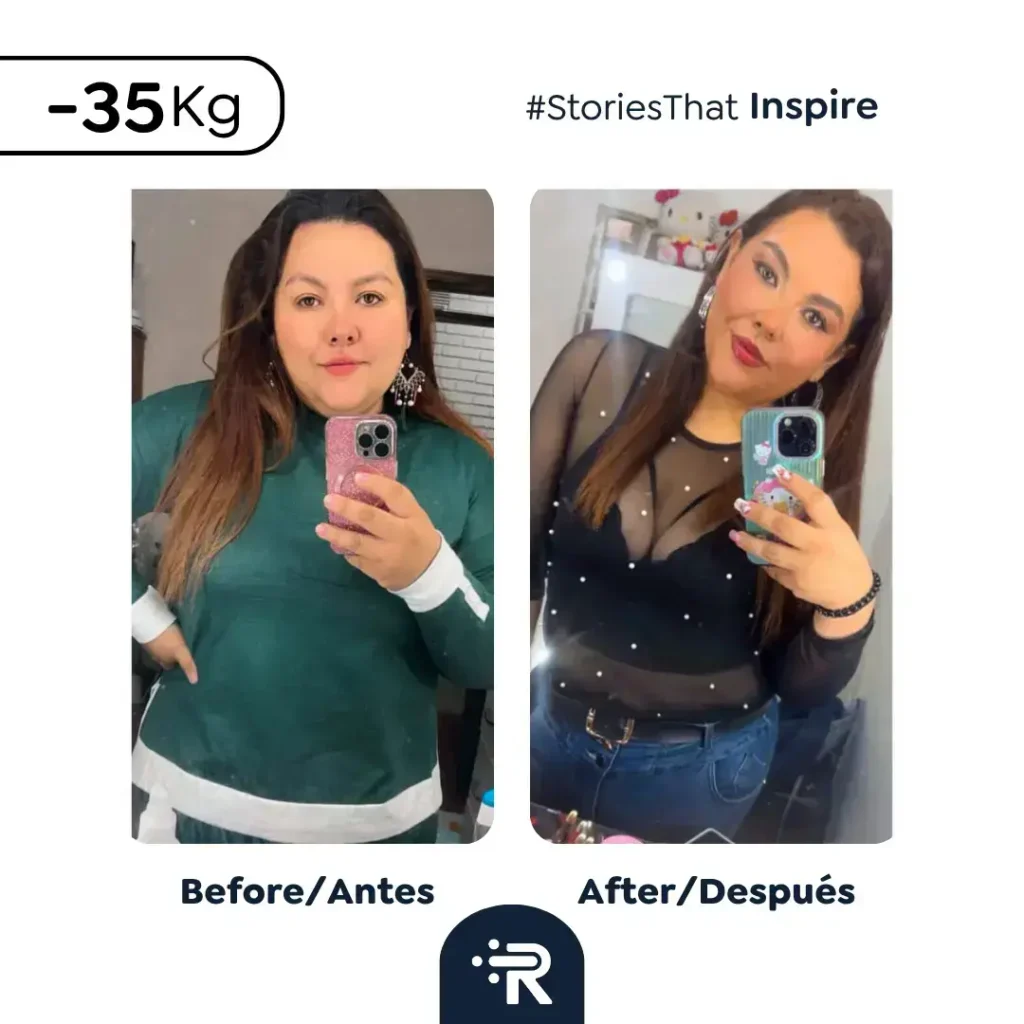
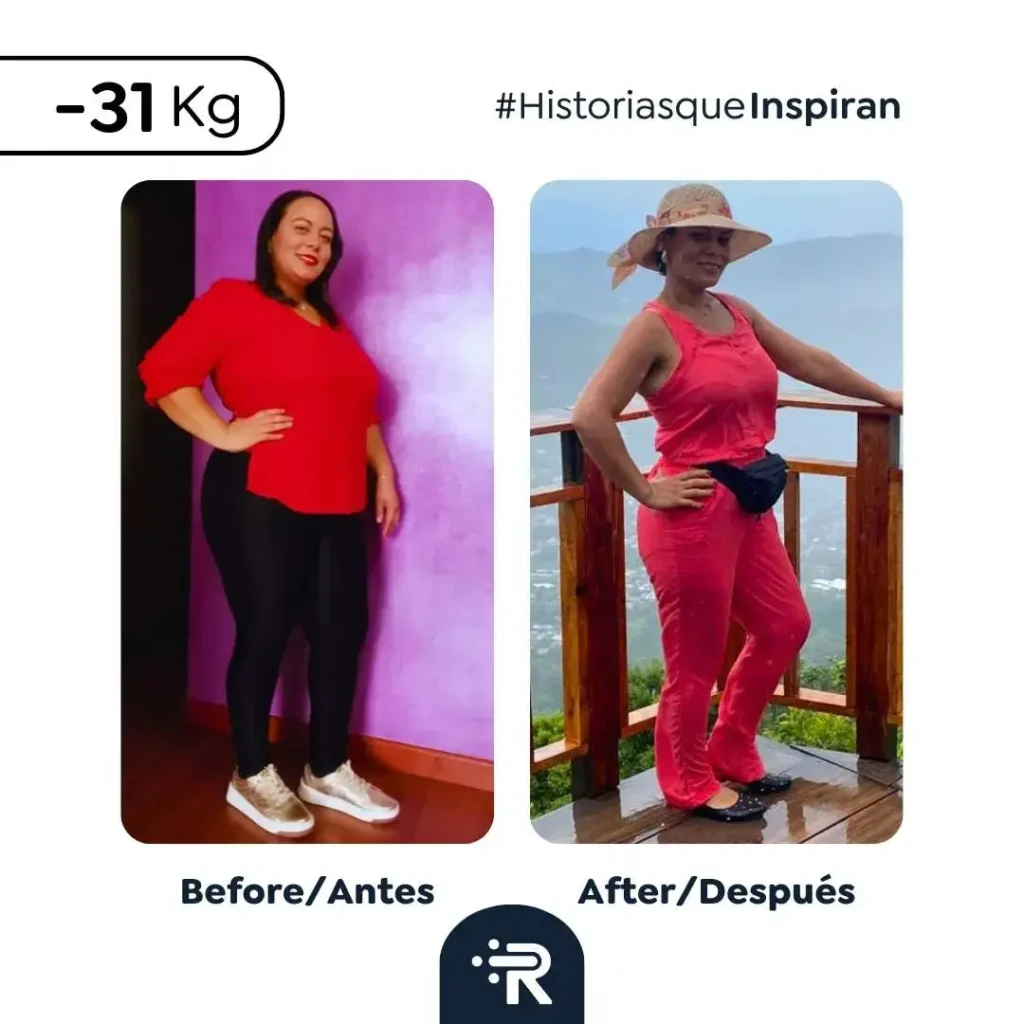
Traveling for Weight Loss Treatment? These Questions Matter Even More
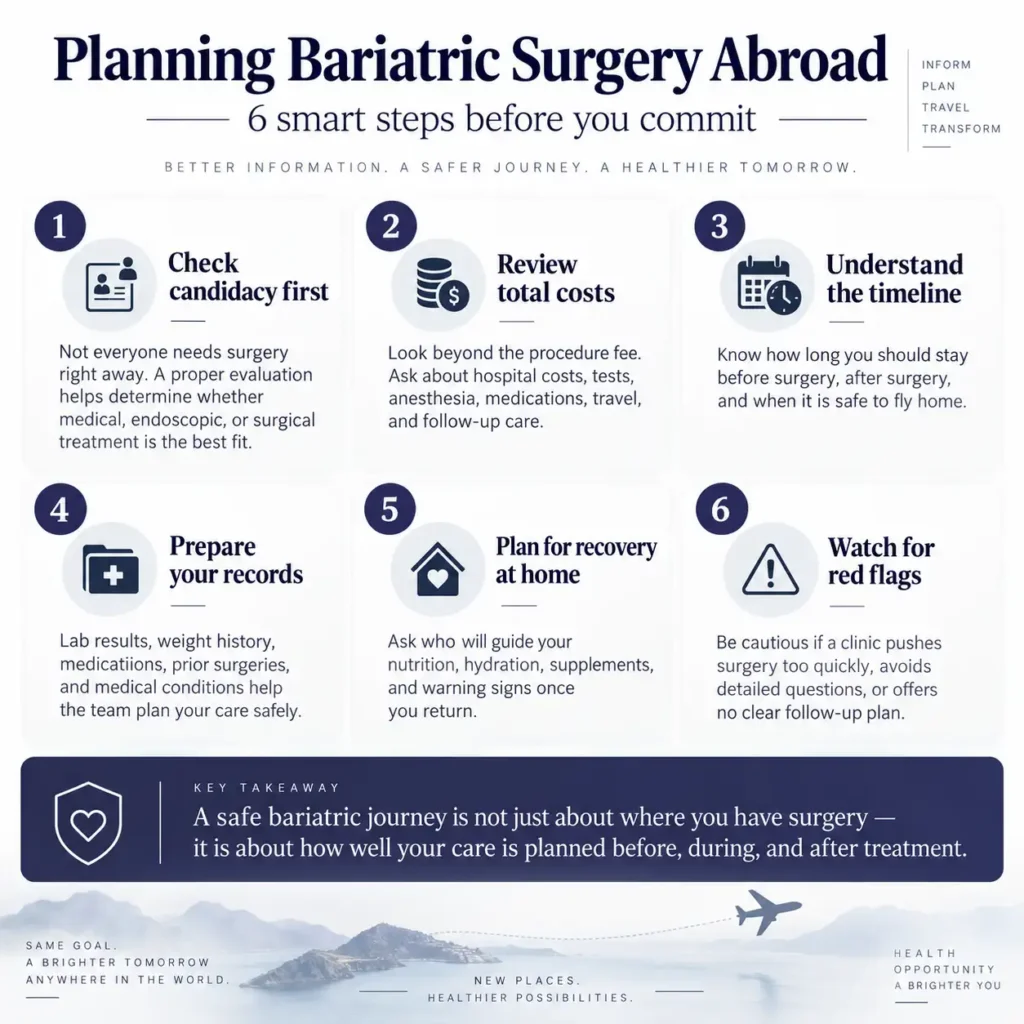
For many patients, traveling for bariatric surgery abroad can provide access to experienced specialists, advanced techniques and different treatment options. But choosing care in another country also means asking questions that may not matter as much when the clinic is close to home.
The goal should be to understand your medical plan before you book your trip—not after you arrive.
If you are traveling for bariatric care, planning should begin before you book your flight and continue after you return home.
Can you speak with the medical team before buying a plane ticket?
Ideally, yes. A virtual consultation can help the medical team review your medical history, previous treatments, current medications, weight-related conditions and expectations before you travel.
It can also help determine whether you may need additional studies, whether surgery is appropriate, and which treatment alternatives should be discussed.
For international bariatric patients, this first conversation helps turn a trip into a medically planned process rather than simply a surgical appointment.
What happens once you arrive — and who helps coordinate your care?
If you are considering weight loss treatment in Colombia or another country, ask how your medical process will be organized once you arrive.
You should understand when your evaluation takes place, what tests may be required, when the procedure is scheduled, how postoperative checks are handled and whom you can contact if questions arise during your stay.
Medical evaluation
Required tests
Procedure schedule
Postoperative checks
Medical contact during your stay
A clinic experienced with international patients should be able to clearly explain these medical steps and guide you through the process.
Your treatment should not end when you fly home
Follow-up remains essential after bariatric surgery, even when you live thousands of miles away. Nutrition, tolerance to food, hydration, supplementation, weight evolution and overall recovery may all require continued monitoring.
That is why I encourage patients considering weight loss surgery abroad to ask about remote follow-up before choosing where to have surgery.
A lower price or an attractive surgical package should never replace a clear postoperative plan.
What if English is your primary language?
Communication is part of safe medical care. Before traveling, you should confirm that you will be able to communicate comfortably with the professionals directly involved in your evaluation, surgery and follow-up.
This does not necessarily mean every person within a clinic must speak English. What matters is that you can clearly understand your diagnosis, treatment options, surgical plan, risks, instructions and postoperative care without important information being lost.
For international patients considering weight loss treatment in Colombia, language support should therefore be discussed during the first contact—along with the medical plan itself.
If you are traveling for bariatric care, do not evaluate only the surgery. Evaluate the communication, coordination and follow-up that will surround it.
Does Global Obesity Group Meet the Criteria of a Comprehensive Weight Loss Clinic?
Throughout this guide, I have emphasized that choosing a clinic should not be about finding the place that offers the most popular treatment. It should be about finding a team that can evaluate you from different perspectives, explain your options clearly and stay involved throughout the process.
That is the model we have developed at Global Obesity Group in Bogotá. Rather than approaching obesity from a single specialty, we bring together different professionals and treatment options so that each patient can receive a personalized weight loss treatment based on their health, needs and goals.
One patient, several specialists working toward the same goal
Obesity is rarely explained by one factor alone. Metabolism, nutrition, eating behavior, emotional health, mobility and associated medical conditions can all influence a patient’s treatment.
For that reason, our multidisciplinary weight loss program can involve bariatric surgery, obesity medicine, nutrition, psychology and physical therapy, depending on what each patient needs.
International bariatric guidelines also emphasize the value of multidisciplinary assessment and long-term management, particularly when metabolic or bariatric surgery is being considered.
At Global Obesity Group, the idea is simple: you should not have to depend on one specialty to address a condition that affects several areas of your health.
| What should a comprehensive clinic offer? | How we approach it at Global Obesity Group |
|---|---|
| Individual medical evaluation | We assess the patient before defining treatment. |
| Different specialists | Medical, nutritional, psychological, physical and surgical support. |
| More than one treatment pathway | Medical, endoscopic and surgical alternatives. |
| Long-term care | Multidisciplinary follow-up throughout the process. |
Your first consultation does not automatically mean surgery
Coming to an obesity clinic does not mean that surgery has already been decided. One of the most important parts of my work is determining whether surgery is appropriate at all. Some patients may benefit from medical management, nutrition and lifestyle interventions. Others may be candidates for an endoscopic procedure, while metabolic or bariatric surgery may offer the most appropriate option for others.
This is why having different weight loss treatment options matters. A program that combines medical and surgical weight loss allows the recommendation to begin with the patient’s clinical situation rather than with one specific treatment.
Sometimes the best decision after an evaluation is surgery. Sometimes it is not.
If surgery is right for you, technology can also make a difference
When surgery is indicated, the next question is how we can perform it with precision while keeping the approach as minimally invasive as possible.
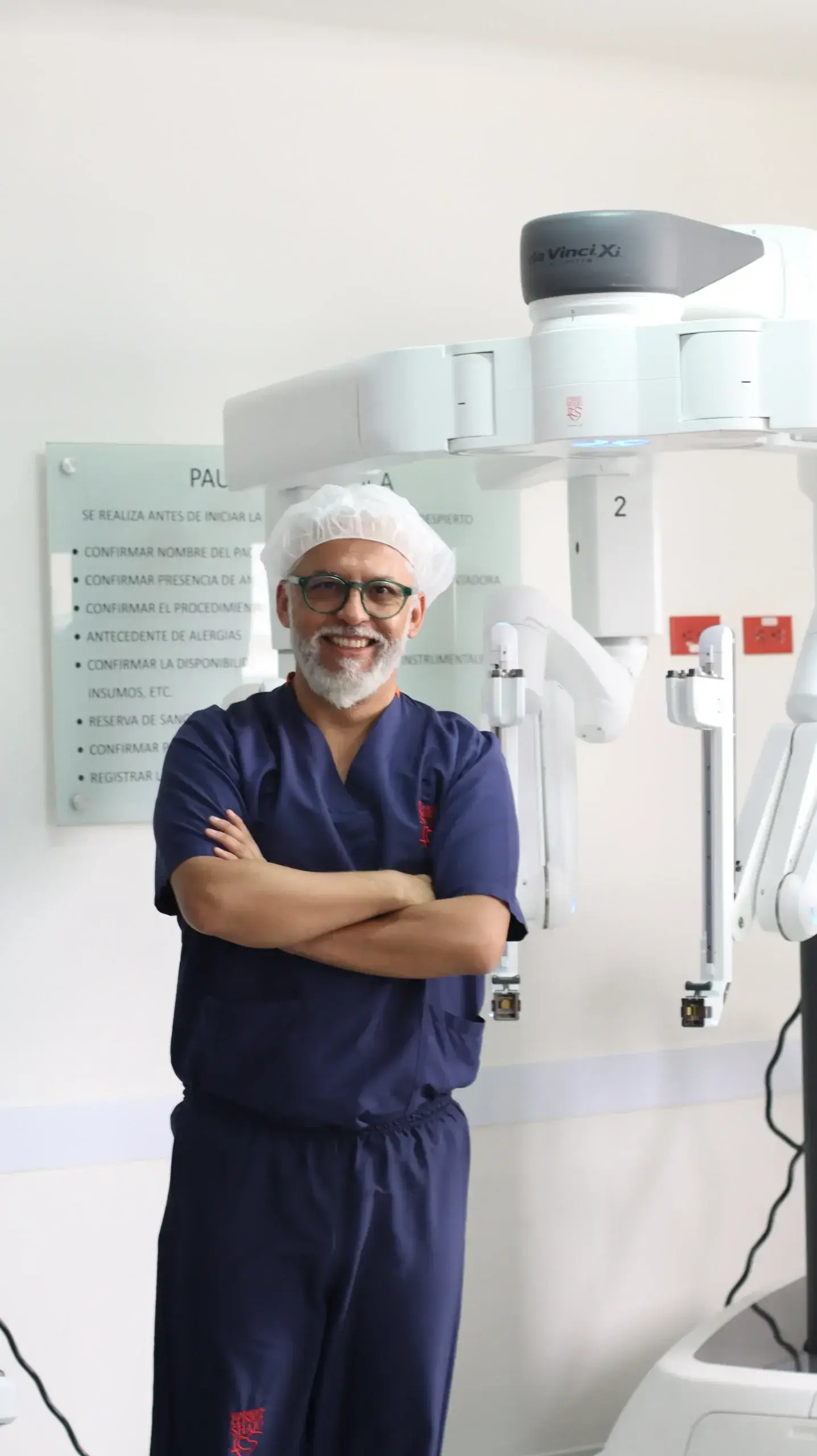
One of the techniques I have incorporated into my practice is robotic bariatric surgery in Colombia, including a three-incision robotic approach in selected patients.
Robotic systems provide the surgeon with magnified three-dimensional visualization and articulated instruments that facilitate precise movements during minimally invasive surgery. Current research suggests that robotic bariatric surgery can offer technical advantages in selected situations, although outcomes depend on the procedure, the patient’s characteristics and the experience of the surgical team.
In my three-incision robotic bariatric surgery technique, the goal is also to reduce the number of abdominal access points required for the operation. Fewer incisions may mean smaller visible scars and may contribute to a more comfortable recovery for some patients, but this is something I discuss individually because pain and recovery are different for every person.
Technology is not valuable simply because it is newer. It is valuable when we can use it appropriately for the right patient.
Your care continues after the procedure
For me, bariatric surgery does not end when the patient leaves the operating room. The weeks and months afterward are when patients learn how to adapt their nutrition, recognize new eating patterns, gradually return to physical activity and understand the changes happening in their bodies.
That is why Global Obesity Group incorporates multidisciplinary follow-up beyond the procedure. Depending on the patient’s needs, professionals from nutrition, psychology, physical therapy and medical care may continue to participate during the process.
Our program is designed to provide support during the first year after bariatric surgery, because long-term care is part of treating obesity—not an optional extra added after the operation.
A comprehensive weight loss clinic should not simply help you reach the day of treatment. It should help you navigate what comes next.
Looking for a Weight Loss Clinic in Colombia? Meet Dr. Rubén Luna and Global Obesity Group
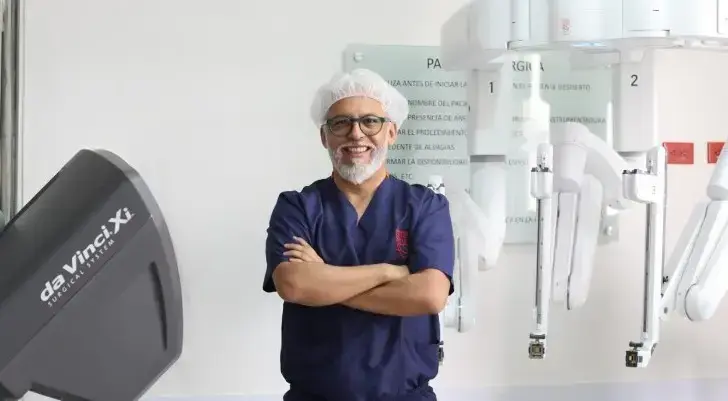
If you are considering a weight loss clinic in Colombia, it is important to know who will be behind your treatment. I am Dr. Rubén Luna, bariatric surgeon and co-founder of Global Obesity Group, where I work with a multidisciplinary team and advanced techniques such as robotic bariatric surgery in Colombia. Depending on each case, procedures may be performed at established hospitals in Bogotá.
If you live outside Colombia, your first step can begin before you travel. An initial evaluation allows us to review your case, explain your options and determine whether medical treatment, an endoscopic procedure or bariatric surgery in Bogotá may be appropriate for you. We also have experience caring for international patients, and communication in English can be accommodated in many cases.
Frequently Asked Questions About Choosing a Weight Loss Clinic
What is the best weight loss clinic?
There is no single clinic that can be considered the best for every patient. The right weight loss clinic should be able to evaluate your health, understand your weight history, offer different treatment options and build a plan around your individual needs. A multidisciplinary team, experienced professionals, appropriate infrastructure and long-term follow-up are all important factors to consider.
What should I look for in a weight loss clinic?
Look for a clinic that does more than offer one treatment. A comprehensive weight management clinic should provide a medical evaluation, access to different specialists, several weight loss treatment options, clear communication and follow-up. You should also understand who will be responsible for your care and where any procedure would be performed.
What do weight loss clinics do?
A comprehensive weight loss clinic evaluates the medical, nutritional and behavioral factors that may be affecting a patient’s weight. Depending on the case, treatment may include nutrition, obesity medicine, medications, endoscopic procedures, physical activity support or bariatric surgery. The goal should be to recommend the most appropriate approach after evaluating the patient.
What type of doctor should I see for weight loss?
It depends on your health and the complexity of your case. Some patients may begin with a physician experienced in obesity medicine, while others may also benefit from nutrition, psychology, physical therapy or evaluation by a bariatric surgeon. This is one reason why a multidisciplinary weight loss program can be valuable.
Is a medical weight loss clinic the same as a bariatric surgery clinic?
Not necessarily. A medical weight loss clinic may focus mainly on non-surgical treatments such as lifestyle changes, nutritional care and medications. A bariatric surgery clinic specializes in surgical procedures. A comprehensive obesity program may include both medical and surgical options, allowing the recommendation to depend on the patient’s needs rather than on a single service.
How do I know if bariatric surgery is right for me?
Bariatric surgery should only be considered after an individual medical assessment. Your weight, BMI, associated health conditions, previous weight loss attempts, current medications and overall health can all influence the decision. The purpose of the consultation is not to assume that you need surgery, but to determine whether it is an appropriate option for you.
How do I choose a bariatric surgery clinic?
When comparing a bariatric surgery clinic, ask who will perform your surgery, how much experience the surgeon has, which procedures are available, where the surgery will take place and what follow-up is included afterward. The quality of the program depends on much more than the operation itself.
Is robotic bariatric surgery better than traditional surgery?
Robotic surgery can offer technical advantages for the surgeon, including three-dimensional visualization and highly articulated instruments. However, it is not automatically the best option for every patient. The decision should depend on the procedure, the patient’s health and the surgeon’s experience. In my practice, robotic bariatric surgery in Colombia is one of the techniques I may consider when it is appropriate for the individual case.
Can international patients travel to Colombia for bariatric surgery?
Yes, international patients may travel for bariatric surgery in Colombia, but the process should be medically planned. Ideally, you should have an initial evaluation before traveling, understand which studies may be required, know where the procedure will take place and confirm how follow-up will continue after you return home.
Can I have a consultation before traveling to Bogotá?
Yes. An initial consultation can help review your medical history, previous treatments, current health conditions and treatment goals before you organize your trip. If you are considering a weight loss clinic in Bogotá, this first conversation can help determine whether medical treatment, an endoscopic procedure or bariatric surgery may be appropriate for you and clarify the next steps in your care.
Sources used in this article
The information in this article is intended for educational purposes only and does not replace a personalized medical evaluation. Every patient has different health conditions, medical history and treatment needs, so the most appropriate option can only be determined after a consultation with a qualified healthcare professional.